Agricultural work depends on electricity long before a power cut becomes an emergency. Milking equipment, livestock ventilation, water pumps, irrigation systems, refrigeration, grain handling, and automated controls may all require a dependable supply to protect animals, crops, stored produce, and daily productivity. Depending on the model and installation, modern generator systems may offer automated controls, monitoring, and load management features that can improve operational efficiency. This can be particularly useful on agricultural sites where essential equipment needs to respond automatically to changes in power availability or demand.
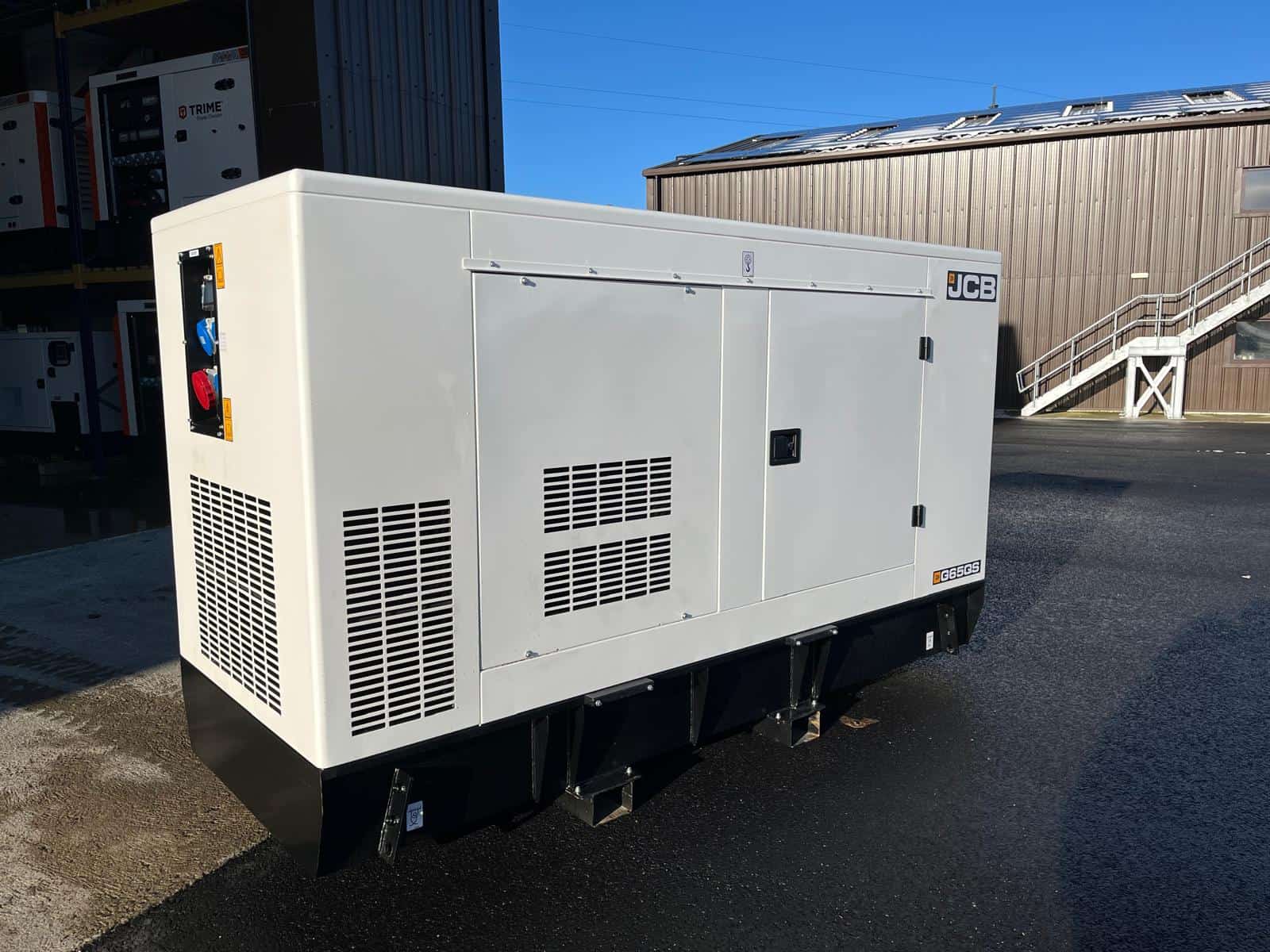
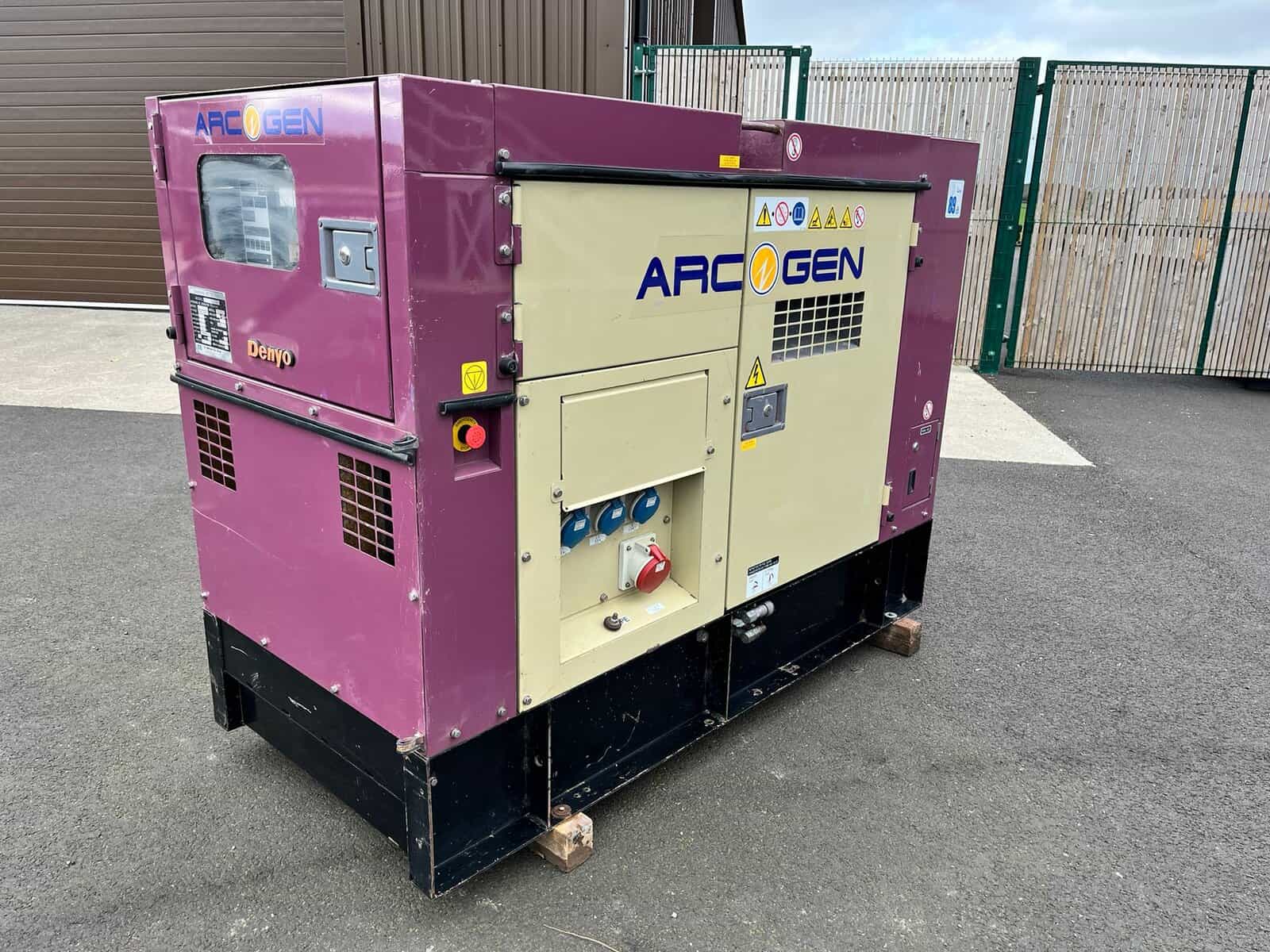
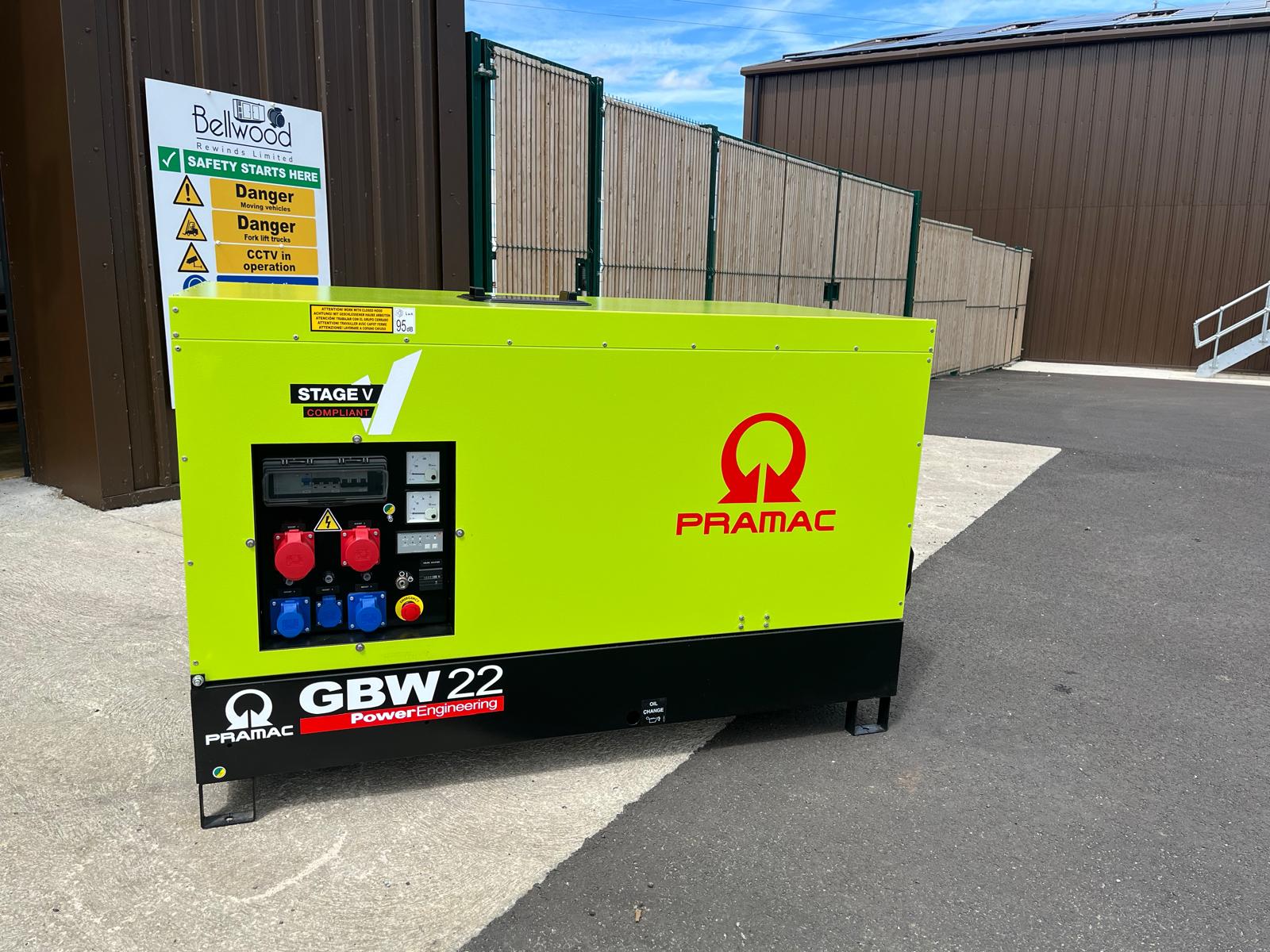
Bellwood Rewinds supplies new and used agricultural generators for farms, rural businesses and off-grid locations throughout the UK. Our available range includes diesel generators, PTO generators, silenced units and mobile models suitable for standby power, seasonal demand and continuous operation.
Browse the agricultural generators available below, or speak to our engineering team if you need help comparing generator size, phase, fuel, mobility and operating duty. We can also advise whether purchasing a generator or arranging generator hire is the most practical option for your agricultural operation.

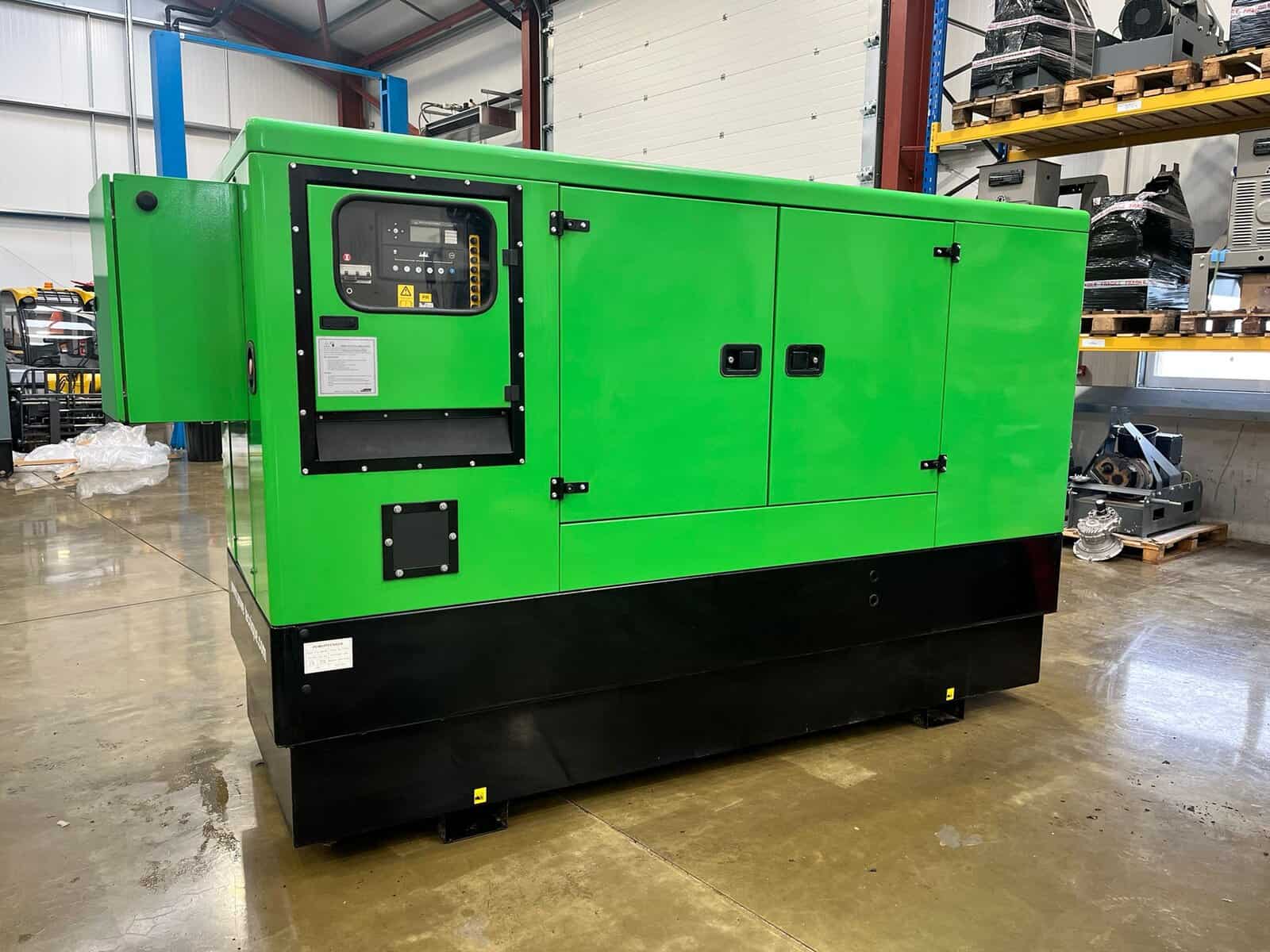
Contact for more information

Contact for more information

Contact for more information
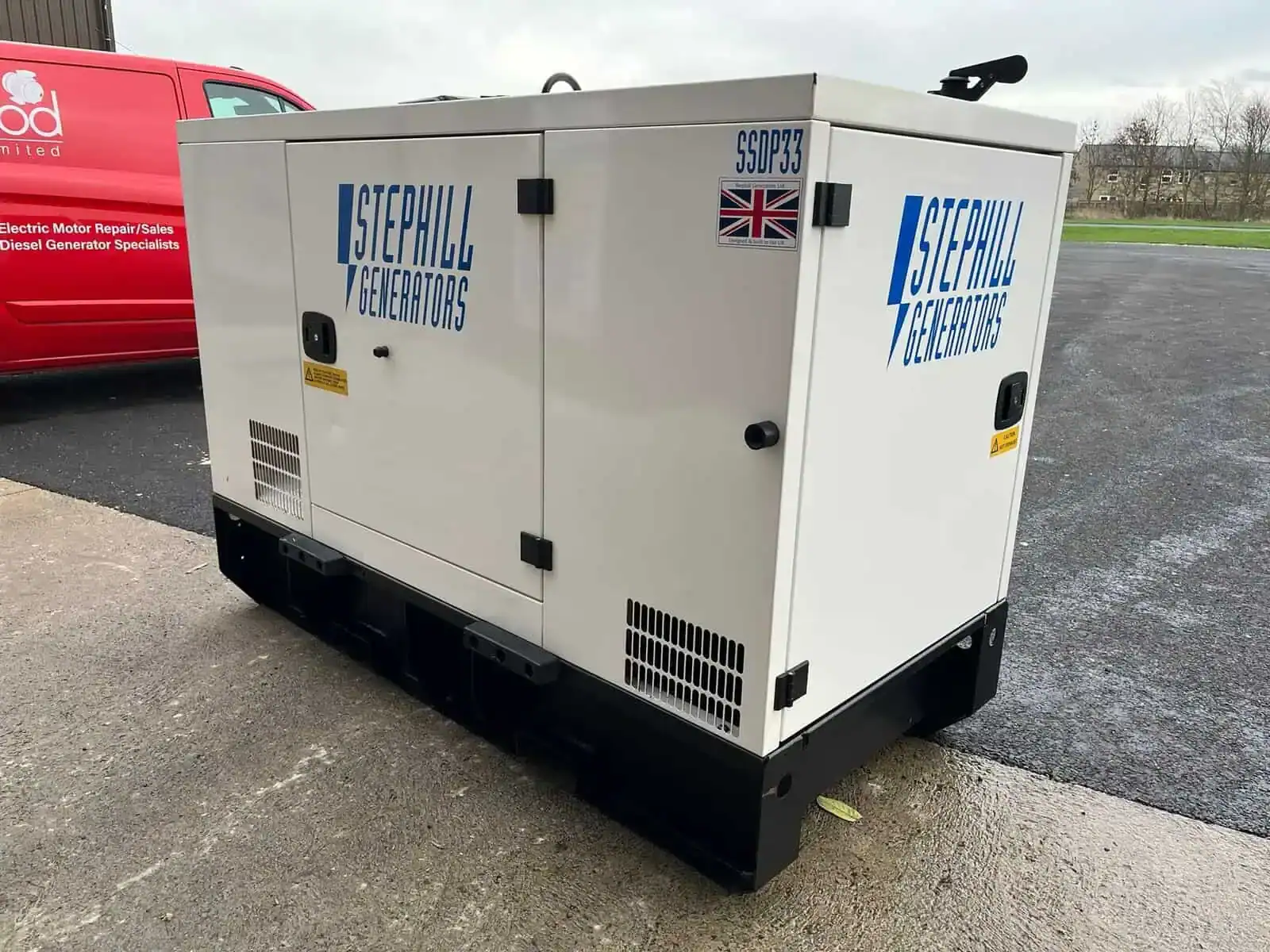
Contact for more information

Contact for more information
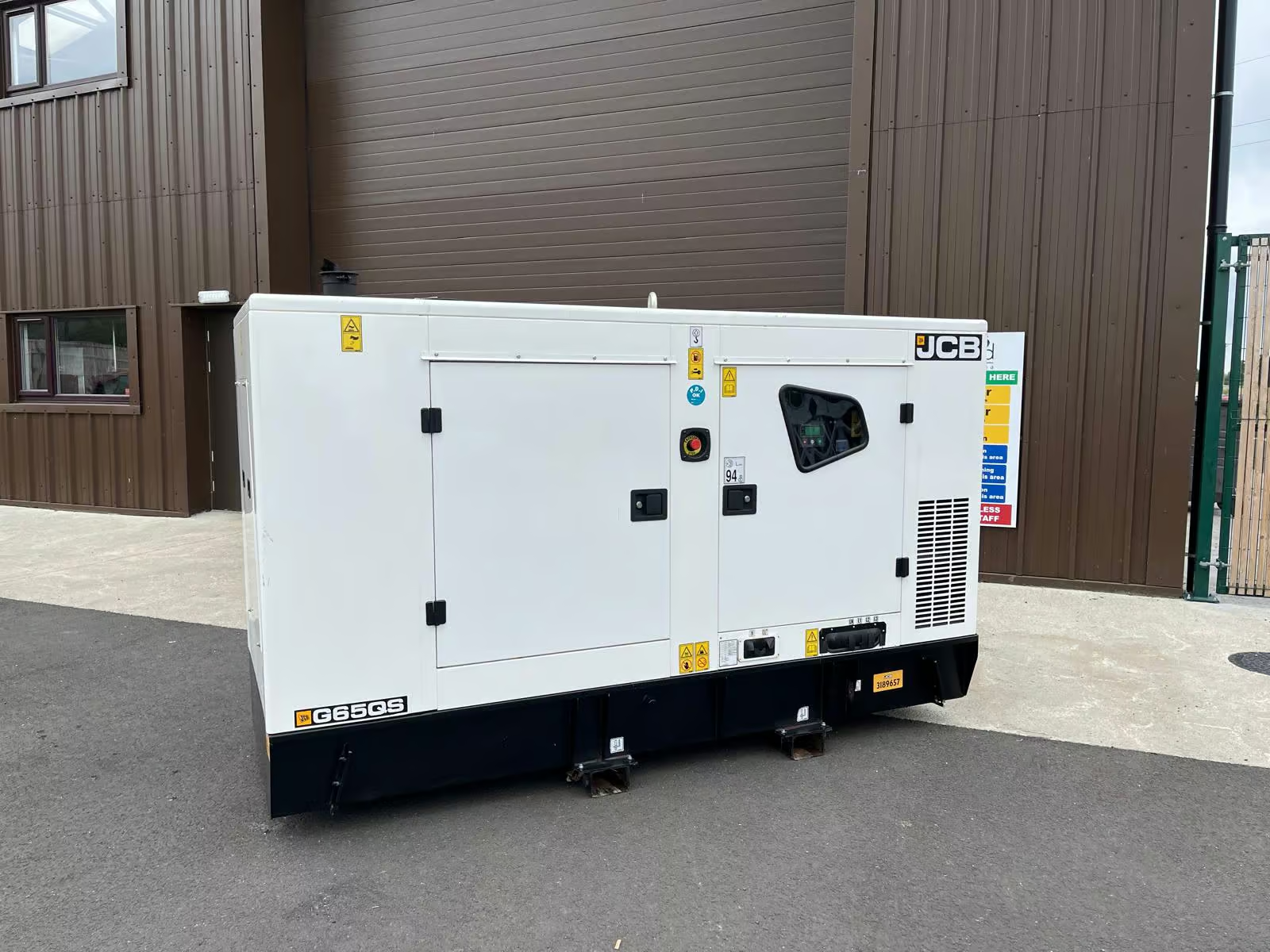
Contact for more information

Contact for more information

Contact for more information

Contact for more information
The correct size depends on the equipment’s running and starting loads and whether several systems need to operate simultaneously. Pumps, fans, refrigeration, grain dryers, and milking machinery can draw high starting currents, so the assessment needs to consider more than the normal running wattage.
A small-scale farmer may only need a generator for a few essential systems, while large farms may require significantly more capacity to support automated equipment, livestock facilities, and machinery across the site. Bellwood can review your load schedule and help identify a suitable generator with an appropriate kW or kVA rating.
Diesel generators are often well-suited to sustained loads, permanent standby applications, and regular agricultural use, while PTO generators can provide flexible, cost-effective operation when a compatible tractor is already available. Portable or petrol generators may be more appropriate for lighter or short-term requirements.
The best generator for agricultural purposes depends on the equipment being powered, operating hours, mobility, fuel arrangements and site conditions. Bellwood can provide tailored solutions based on the farm’s specific requirements, rather than recommending equipment solely on capacity.
For farms that depend heavily on electrically powered equipment, a backup generator can provide an important layer of resilience when the normal commercial electrical supply is interrupted. A power cut can affect refrigeration, ventilation, water pumps, milking equipment and automated systems controlled by the farm’s electrical infrastructure.
Reliable backup power can help ensure farms maintain essential operations, protect livestock welfare and reduce the risk of produce spoilage or production delays. The appropriate backup arrangement depends on which systems are critical and how quickly they need to be restarted after an outage.
Yes, provided the generator is correctly sized for the combined running and starting demand. Agricultural generators can support irrigation pumps, milking equipment, refrigeration, ventilation, and automated feeding systems for livestock, as well as lighting, communications, and other farm infrastructure.
When several systems need to operate together on a day-to-day basis, load sequencing may help prevent large motors from starting simultaneously. The generator and associated controls should be designed around the actual farming operation to provide a steady and reliable power supply.
Runtime depends on the generator’s duty rating, fuel tank capacity, connected load, fuel consumption, and maintenance condition. There isn’t a reliable universal runtime for diesel generators because tank size, generator output and operating load can vary considerably between models.
For continuous or prolonged use, fuel storage, refuelling arrangements, and generator efficiency should be included in the specification. Choosing the correct generator size can also support more efficient operation than running an unnecessarily oversized unit under a very light load.
Service intervals depend on running hours, operating environment and the manufacturer’s recommendations. Generators used regularly on farms may require more frequent inspection than standby units because dust, moisture, temperature changes and long running periods can place additional demands on components.
Routine maintenance should include checks of fluids, filters, batteries, belts, hoses, electrical connections and controls. Planned servicing helps support long-term reliability and reduces the likelihood of a fault interrupting essential farming operations.
Reliable power solutions give agricultural businesses greater protection against unexpected outages and can support essential processes in remote or off-grid locations. This can be particularly important where livestock welfare, refrigeration, irrigation, grain handling or automated equipment depends on a continuous electrical supply.
For some farms, a generator becomes a mainstay power source for remote operations; for others, it is primarily standby protection. Bellwood can assess the intended duty and recommend a solution designed around the farm’s actual operating requirements.
No two farms use power in exactly the same way. A dairy unit may need to protect milking, cooling and washing systems, while an arable agricultural business may require power for grain dryers, conveyors, irrigation pumps or remote field operations. Poultry and livestock sites can be particularly sensitive because ventilation, feeding, heating, and water systems may rely on electrically powered components and automated controls that draw on the farm’s electrical infrastructure.
Across the agricultural industry, reliable power is therefore about more than keeping lights on. The right generator should support the farming operations that cannot safely stop, maintain a steady supply to essential equipment and help minimise disruption when the electrical grid or local power grid fails.
The right farm generator must therefore be selected based on critical loads, starting currents, operating hours, and the consequences of an interruption. Bellwood helps customers move from an equipment list to a practical power solution rather than choosing a unit based on headline kVA alone.
A grid failure can quickly become a welfare, production and financial problem. Refrigerated milk or produce may be lost, automated systems can stop, livestock environments can become unsafe and time-sensitive work may be delayed.
A correctly specified backup farm generator allows essential operations to continue while the normal supply is unavailable. During power outages or unexpected power loss, it can help maintain livestock welfare, refrigeration, irrigation, ventilation and other time-sensitive processes. For many agricultural businesses, the biggest benefit is not simply having another power source available; it is minimising downtime and maintaining operations until the mains supply is restored. Depending on the farm, this may mean supporting the whole site or prioritising selected systems that cannot safely wait for mains power to return.
Agricultural generators can also provide prime or temporary power for remote areas, new buildings and seasonal operations where the grid is unavailable or lacks capacity.
The connected equipment will differ by site, but common agricultural loads include:
Many of these loads use electric motors, which can draw substantially more power when starting than during normal operation. Farms often need to run several pieces of equipment simultaneously, so the generator must be sized around both running demand and motor-starting requirements. This is particularly important for pumps, refrigeration compressors, ventilation fans and grain-handling equipment, where a high surge requirement can temporarily place far greater demand on the generator than the normal operating load. Correct load assessment helps prevent voltage drops, nuisance shutdowns and damage to connected equipment.
Identify the equipment that must operate during an outage or when a remote power requirement is in effect. Record the running demand, starting current, voltage, phase and whether several items may start together. The calculation should also consider future expansion and seasonal changes.
Small farms or smaller-scale farming operations may only need to protect a few essential systems, while larger agricultural businesses may require a higher-capacity three-phase unit, staged load control, or more than one generator. Oversizing increases purchase price and fuel consumption, while under-sizing risks unstable power.
Bellwood can review your equipment schedule and recommend an appropriate kW or kVA rating. Our guide to determining the size of the generator you need explains the basic process, but motor-driven agricultural equipment often benefits from a site-specific assessment.
Pumps, refrigeration compressors, grain-handling systems and large fans can create high starting demands. Some loads may be started sequentially to reduce the peak on the generator, while others require sufficient immediate capacity to operate automatically after a power failure.
The generator, protection and distribution equipment should be designed together. This is especially important where automated systems are expected to restart without an operator present.
Standby generators are designed to provide backup power when the normal supply fails. They may run infrequently, but still need routine testing, healthy batteries, clean fuel and planned servicing so they are ready when required.
Prime power generators are intended for regular operation where no dependable mains supply is available. Their duty rating, fuel system and maintenance schedule must reflect longer running hours and sustained load.
Some agricultural sites need both: a permanent standby generator for critical buildings and a mobile or PTO-powered unit for changing field requirements.
Different generator types suit different agricultural applications, and the best solution depends on how and where power will be used.
Diesel generators are widely used on farms because they offer high load acceptance, good fuel efficiency, and dependable performance under sustained demand. Modern diesel engines remain a common choice for agricultural purposes because they are well-suited to sustained duty and larger electrical loads. Fuel consumption will vary by model and load, so the aim should be a correctly sized generator that uses diesel fuel efficiently rather than relying on generic runtime figures. They are available across a broad range of outputs, including silent generators and weather-protected models for permanent standby or prime-power installations.
Fuel storage, emissions, access and expected runtime should all form part of the specification. Where a generator may run for an extended period, tank capacity and safe refuelling arrangements matter as much as the headline power rating.
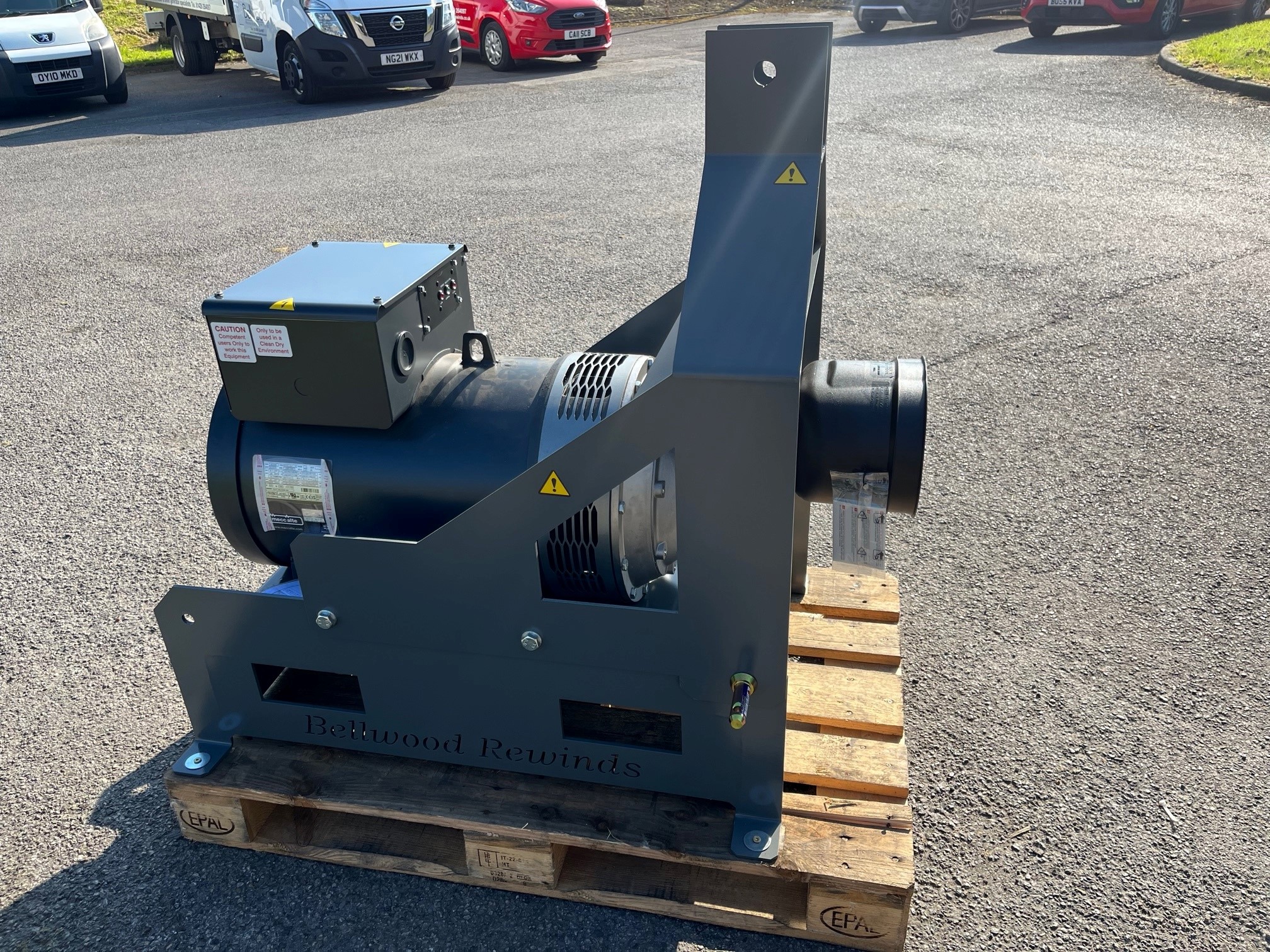
PTO generators use a tractor’s power take-off to drive the alternator. They can be a cost-effective and flexible choice when a suitable tractor is already available, and power is needed at multiple locations.
The tractor and PTO generator must be correctly matched, guarded and operated in line with the manufacturer’s instructions. PTO shafts and moving machinery present serious risks, so installation, positioning and safe systems of work are essential.
Compact, portable, or petrol generators may suit lighter tasks, mobile teams, and short periods of use. They are easier to move between locations, but may not provide the capacity, efficiency or continuous-duty performance required for large agricultural machinery or whole-site backup.
Inverter generators can provide clean power for sensitive electronics and control equipment, although their output must still be checked against the connected load.
A new generator may provide the latest controls, emissions performance, warranty support and a specification tailored to the installation.
A carefully selected used generator can reduce purchase cost and lead time. Condition, running hours, service history, alternator output, controller compatibility and parts availability should all be reviewed before purchase. Bellwood supplies both new and used generators and can help assess which route offers better value for the intended duty.
Remote locations need equipment that can withstand weather and dust, carry suitable fuel and remain accessible for monitoring and maintenance. In off-grid areas, generator selection may also need to consider fuel storage, access for servicing and whether remote monitoring is available on the chosen model. This can be particularly useful where equipment operates away from the main farm buildings or needs to provide power for continuous use over extended periods.
Mobile and trailer-mounted units can move between fields or buildings. A fixed off-grid system may also combine generator power with battery storage or renewables to reduce engine runtime during periods of low demand.
Where critical equipment must restart without delay, an Automatic Transfer Switch can detect a loss of mains power, start the standby generator and transfer selected circuits once the supply is stable. This can be valuable for livestock ventilation, refrigeration, pumps and other automated systems that may fail outside normal working hours.
The generator, ATS, controls, earthing and distribution arrangements must be compatible. A competent electrical engineer should determine which loads are essential, how they should be sequenced and how the system will return safely to mains power.
Generator location should account for ventilation, exhaust gases, fuel storage, weather exposure, noise, access and nearby livestock or workers. Generators must not operate in enclosed or poorly ventilated areas, and exhaust should be directed away from doors, vents and occupied spaces. Permanent standby systems may also require professional installation, including suitable earthing, changeover equipment, protection devices and circuit breakers selected for the generator and connected loads.
Agricultural sites also contain distinctive electrical hazards, including overhead lines, wet environments and mobile machinery. HSE guidance on electricity in agriculture states that electrical equipment must be safe and properly maintained. Generator cabling and distribution should be installed and protected by competent personnel, with routes chosen to minimise vehicle damage, trips, and contact with water. Bellwood’s generator safety information provides further practical precautions.
A dependable generator is not a fit-and-forget purchase. Agricultural environments can accelerate dust contamination, corrosion, connection wear and fuel problems. Routine checks should cover oil and coolant levels, filters, batteries, battery chargers, belts, hoses, fuel condition, electrical connections, controls and warning alarms.
Servicing should follow both time-based and running-hour recommendations. Daily-use generators generally require more frequent attention than standby equipment, while long periods of inactivity still create risks such as flat batteries, stale fuel and seized components.
Bellwood provides generator servicing, generator repairs and generator service kits to support agricultural generators throughout their working life. Planned maintenance helps identify small faults before they interrupt essential operations at a time when the farm can least afford downtime.
Buying often makes sense where backup power is permanent, the generator will be used across repeated seasons, or the site needs immediate control over availability.
Generator hire may suit temporary projects, seasonal peaks, planned maintenance or an urgent replacement while an existing unit is repaired. The higher search demand for agriculture generator hire reflects that need, but hire and purchase solve different operational problems.
Bellwood can compare likely usage, project duration, storage, transport, budget and servicing responsibilities before recommending the most practical route.
Bellwood Rewinds combines generator supply with practical engineering support. We understand that agricultural customers are protecting living animals, perishable products, seasonal productivity and essential machinery, not simply purchasing electrical equipment.
Our support includes:
Available stock changes regularly. Contact Bellwood Rewinds with your equipment list, site information and operating priorities, and we will help you find an agricultural generator that supports the job without unnecessary cost or complexity.
Whether you need a dependable backup farm generator, a diesel or PTO solution for day-to-day farming operations, or reliable power for remote and off-grid areas, Bellwood Rewinds can help you compare suitable options around your specific needs. Our engineering team can provide guidance on generator sizing, phase, fuel, duty, installation and ongoing servicing, helping you choose a practical, cost-effective solution that protects essential equipment and supports reliable operation.
Contact Bellwood Rewinds today with your farm requirements for tailored advice and a quotation.