
At Bellwood Rewinds, we supply a comprehensive range of generator alternators for commercial, industrial and standby power systems throughout the UK. Whether you’re replacing a faulty alternator, upgrading an existing generator or sourcing a complete alternator solution for a new installation, our experienced engineering team can help you find the right product for your application.
With more than 30 years of engineering experience, we don’t simply supply replacement alternators, we help customers select the correct unit based on their generator, electrical load, operating environment and long-term power requirements. From compact single-phase models through to heavy-duty three-phase alternators, we stock high-quality products from trusted manufacturers designed to deliver reliable performance across a wide range of applications.
Browse our available generator alternators below, or speak to our team if you need help identifying the right replacement for your generator.

Contact for more information
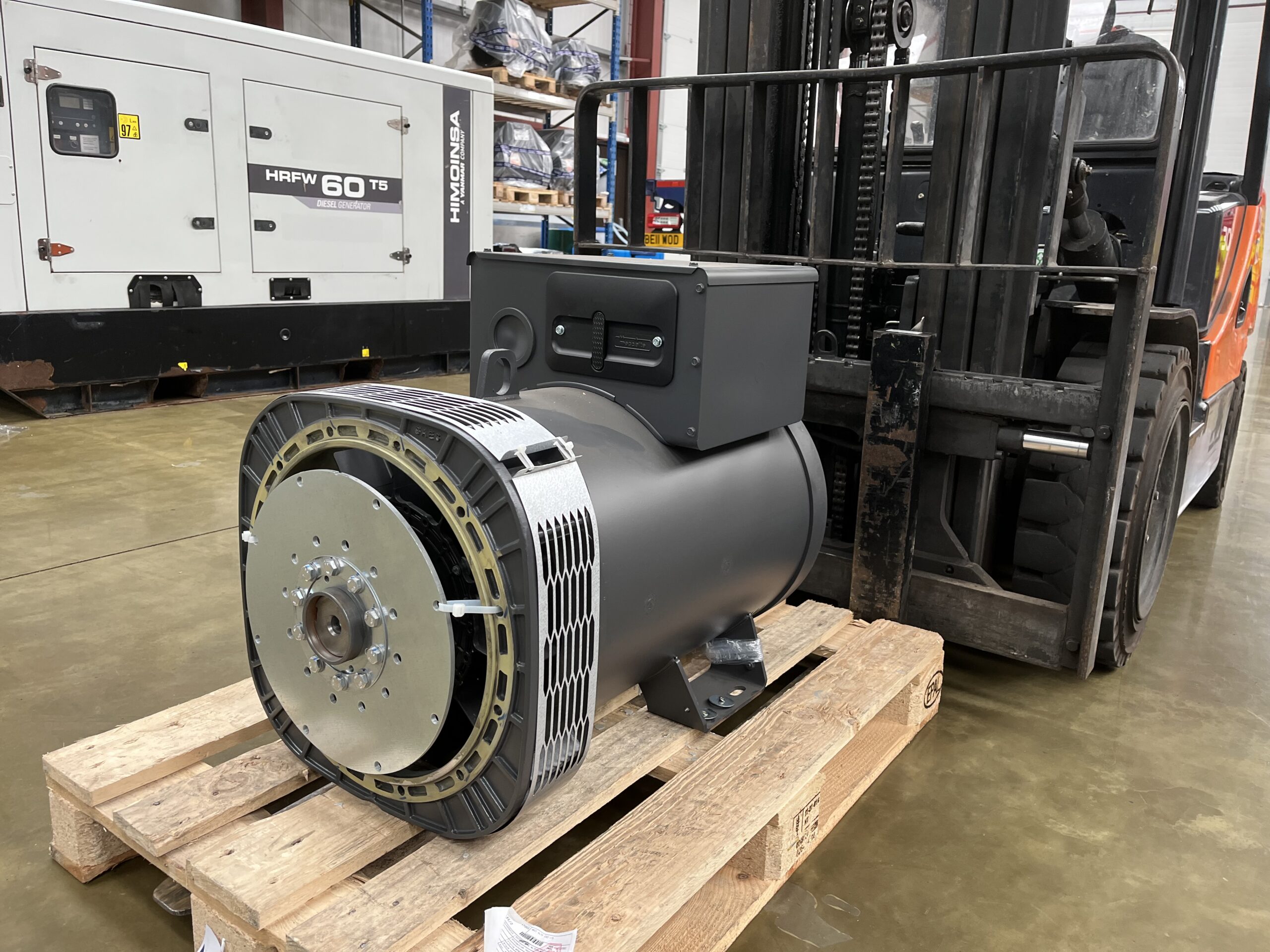
A generator alternator is the component that converts mechanical energy from the engine into electrical energy to power connected equipment. As the engine rotates, the alternator converts its rotation into alternating current (AC), which is then supplied to the generator’s electrical system.
Inside the alternator, the rotor spins within the stator, creating a stationary magnetic field that induces an electrical current in the copper windings. Unlike a DC generator, which produces direct current, modern generator alternators produce alternating current because it is more efficient for commercial and industrial power generation.
This process delivers stable alternator output, allowing generators to supply consistent power across a wide range of different applications, from standby generators to large industrial installations.
The voltage regulator plays a vital role in maintaining safe and consistent alternator output. As the generator operates under changing electrical loads, the voltage regulator continuously monitors the electrical output and automatically adjusts the excitation current to maintain the correct voltage.
Without effective voltage regulation, generators may experience fluctuating voltage, unstable electrical performance or damage to connected equipment. Most modern generators require an Automatic Voltage Regulator (AVR) to protect sensitive electrical systems and ensure reliable operation.
Working alongside the alternator, the voltage regulator helps improve efficiency, reduces electrical fluctuations and provides the precise control required for commercial standby and continuous power applications.
Choosing between single-phase and three-phase alternators depends entirely on how the generator will be used.
Single-phase alternators are commonly used for domestic properties, smaller commercial premises and portable generators where lower electrical demand is expected. Three-phase alternators are typically installed on larger commercial, agricultural and industrial generators because they provide greater efficiency and smoother power delivery for higher electrical loads.
Our engineers assess your generator specification, operating environment and power requirements before recommending the most appropriate alternator. Selecting the correct alternator from the outset helps maximise efficiency, reduce unnecessary heat generation and ensure reliable long-term operation.
Alternator failure can occur for several reasons, particularly if routine servicing has been neglected. Common causes include worn bearings, damaged windings, excessive heat, moisture ingress, failed voltage regulators, contaminated cooling systems and overloaded electrical circuits.
Many generators require regular inspection to identify developing faults before they become major failures. In some cases, a faulty alternator can be repaired by replacing individual components, while older or severely damaged units may require complete replacement.
At Bellwood Rewinds, our engineers carry out detailed inspections to determine the most cost-effective solution. Whether the issue involves damaged wires, worn bearings or a failed charging system, we’ll recommend the most appropriate repair or replacement based on your generator and application.
Choosing the correct replacement alternator involves more than simply matching the generator size. Factors such as power output, operating speed, mounting arrangement, cooling method, electrical compatibility and intended application should all be considered.
Our engineers also assess the existing charging system, generator engine, voltage requirements, and whether the alternator uses permanent magnets or residual magnetism to generate electricity. These factors all influence long-term performance and reliability.
Whether you’re replacing an alternator on a standby generator or an industrial power system, we’ll help you select the most suitable unit based on your generator specification and operational requirements.
Yes. Professionally reconditioned alternators can provide excellent reliability when rebuilt to a high engineering standard.
At Bellwood Rewinds, every reconditioned alternator is carefully inspected, worn components are replaced, and performance is fully tested. Bearings, windings, and electrical components are assessed to ensure dependable operation before the alternator returns to service.
Compared with older DC generator designs, modern brushless alternators require significantly more maintenance only if routine servicing is ignored. Regular inspections, correct installation, and preventative maintenance help maximise the lifespan of the alternator whilst maintaining reliable electrical performance.
For many customers, a professionally reconditioned alternator offers an excellent balance between cost, reliability and long-term value.
Generator alternators, often simply called alternators, play a pivotal role in the world of electrical power generation. These ingenious devices are responsible for the conversion of mechanical energy into alternating current (AC) electricity, a process that lies at the core of generator functionality. They work seamlessly alongside the engine of a generator, transforming kinetic energy into electrical power, and thereby ensuring the smooth operation of appliances, machinery, and various electrical loads in situations ranging from power outages to remote locations where electrical access is limited.
The Anatomy of an Alternator: At their heart, alternators consist of intricate components that collaborate harmoniously to facilitate this remarkable energy conversion process. The two primary components that define the operation of an alternator are the rotor and the stator. These elements work in tandem to create a magnetic field, which, in turn, induces electrical current. The rotor, often a rotating coil of wire or a set of magnets, generates the magnetic field when set in motion. Simultaneously, the stationary stator, encased with copper wire windings, intercepts this magnetic flux and transforms it into electrical energy.
Versatility in Application: Generator alternators are versatile and come in a wide array of sizes and configurations. This adaptability allows them to cater to the specific power requirements of various applications. You’ll find alternators serving in a multitude of settings, including standby generators, portable generators, industrial generators, and many more. In essence, they form the backbone of systems that ensure continuous and reliable power when and where it’s needed most.
Reliability and Performance: The reliability and performance of an alternator are of paramount importance. These attributes have a direct and profound impact on the generator’s capacity to deliver consistent and stable electrical power. Whether it’s safeguarding critical infrastructure during a power outage, supporting essential operations in an industrial setting, or providing electricity in remote locations, the reliability of the alternator is instrumental in ensuring uninterrupted power supply.
Choosing the correct generator alternator involves far more than matching the power output of your generator. Every alternator must be compatible with the generator engine, voltage regulator, cooling method, electrical system and intended application to ensure safe, efficient and reliable operation.
Unlike many online retailers, Bellwood Rewinds combines product supply with decades of hands-on engineering experience. Our engineers regularly diagnose alternator failure, repair generator systems, and replace worn alternator components for customers across the UK. This practical experience allows us to recommend the most suitable solution based on your generator specification rather than simply supplying the next available model.
We regularly support customers with alternators for:
Whether you’re replacing an ageing alternator, upgrading an existing generator or sourcing equipment for a new installation, our engineers will help you identify the most suitable solution based on your operational requirements, electrical demands and future maintenance needs.
A generator alternator is the component that produces the electricity your generator generates. As the engine operates, it creates turning mechanical energy, which the alternator converts into usable electricity through electromagnetic induction. This process allows generators to provide a continuous supply of electrical power whenever mains electricity is unavailable.
Inside the alternator, several precision-engineered components work together to generate electricity. These include the rotor, stator, copper windings, voltage regulation system and excitation circuit. As the engine rotates the rotor inside the stationary stator, a rotating magnetic field is created, inducing an electrical current within the stator windings. The alternator then produces alternating current (AC) electricity, which supplies connected equipment and electrical systems with stable power.
Most modern generators use a brushless alternator, providing greater efficiency, improved reliability and reduced maintenance compared with older designs. Combined with a properly matched voltage regulator, a high-quality alternator helps maintain consistent voltage levels, protects sensitive electrical equipment, and ensures stable performance under changing electrical loads.
Whether powering a small standby generator or a large industrial installation, the alternator plays a key role in maintaining reliable electrical output, protecting connected equipment and ensuring the generator continues operating efficiently under varying load conditions.
Every generator alternator is designed to convert mechanical energy produced by the engine into electrical energy that can safely power buildings, machinery and electrical equipment. This conversion process enables generators to provide a reliable source of electrical power whenever mains electricity is unavailable.
As the engine rotates, it turns the alternator’s rotor, creating a rotating magnetic field within the stationary armature, commonly called the stator. Copper windings within the stator intercept this magnetic field, producing an electrical current through electromagnetic induction.
The alternator then generates alternating current (AC) electricity, which becomes the generator’s usable electrical output. This process occurs continuously while the generator is operating, allowing the alternator to respond to changing electrical loads and maintain a stable power supply.
To ensure reliable operation, generator alternators also rely on several supporting components, including:
Every component plays an important role in maintaining efficient operation and protecting the generator from unnecessary wear. Even a relatively small fault within the alternator can affect voltage stability, reduce efficiency or eventually lead to complete alternator failure if left unresolved.
Most modern generators now use brushless alternators, providing significant advantages over older designs. Brushless technology eliminates the need for carbon brushes, reducing mechanical wear and improving efficiency while lowering ongoing maintenance requirements.
A brushless alternator also delivers more consistent electrical output, making it the preferred choice for commercial, industrial and standby generators where uninterrupted power is essential.
To maintain stable voltage during operation, the alternator works alongside an Automatic Voltage Regulator (AVR). The voltage regulator constantly monitors the generator’s output and automatically adjusts the excitation current to maintain the required voltage, even as the electrical load changes.
This process helps:
Without effective voltage regulation, generators may struggle to maintain a stable power supply, particularly when powering sensitive equipment or operating under changing load conditions.
Whether supplying standby power to a hospital, supporting a manufacturing facility or providing temporary electricity on a construction site, a quality alternator and correctly matched voltage regulator work together to ensure dependable performance.
Choosing the correct generator alternator is about far more than simply matching the power output of the generator. Every alternator must be compatible with the generator engine, electrical system and intended application to ensure reliable operation and long-term performance.
When selecting a replacement alternator, our engineers consider several important factors:
Selecting the wrong alternator may lead to overheating, reduced efficiency, unstable voltage or premature component failure. Our experienced engineers will always recommend the most suitable alternator based on your generator specification rather than simply supplying the nearest available unit.
Whether you’re replacing a failed alternator or upgrading an existing generator, we’ll help ensure your new alternator delivers reliable performance for years to come.
Although modern alternators are built for long-term reliability, they remain precision-engineered components that require regular inspection and maintenance. Over time, wear, environmental conditions and excessive electrical demand can all contribute to alternator failure.
Some of the most common causes include:
Identifying these issues early can often prevent more serious generator damage and reduce unexpected downtime. At Bellwood Rewinds, our engineers regularly diagnose alternator faults, repair damaged units and recommend the most cost-effective solution, whether that’s repair, rewinding or complete replacement.
If you’re experiencing unstable voltage, reduced electrical output or signs of alternator failure, our team can assess your generator and recommend the most appropriate course of action.
Generator alternators are used across a wide variety of industries where a dependable power supply is essential. Whether supporting diesel generators for emergency standby systems or providing continuous electrical output for industrial applications, the correct alternator helps ensure generators operate efficiently under varying electrical loads whilst delivering reliable performance.
At Bellwood Rewinds, we regularly supply alternators for customers maintaining existing generator fleets, refurbishing used generators, or upgrading standby power systems. Our engineers can recommend the most appropriate alternator based on your generator model, electrical requirements and intended application.
We also understand that not every business requires a permanent generator solution. For temporary projects, planned shutdowns or emergency power requirements, our generator hire service offers flexible access to reliable power generation equipment throughout the UK.
At Bellwood Rewinds, we supply generator alternators suitable for a diverse range of commercial applications, including:
Every application places different demands on the alternator. Factors such as operating hours, environmental conditions, electrical load, generator size and cooling requirements all influence which alternator is most suitable. Whether you’re maintaining an existing generator or upgrading one of our used generators, selecting the correct alternator is essential for long-term reliability and efficient operation.
Whether your generator supplies backup power during an outage or operates as a primary power source, selecting the correct alternator helps maximise reliability while protecting the wider electrical system.
Not every alternator requires complete replacement. In many cases, a professionally rebuilt unit can provide excellent long-term performance whilst offering significant cost savings compared to purchasing a brand-new alternator.
Alongside our range of new alternator products, Bellwood Rewinds also supplies professionally inspected, reconditioned alternators, giving customers greater flexibility when maintaining or repairing their generator systems.
Every reconditioned alternator is carefully assessed before being returned to service. Where necessary, worn alternator parts, bearings, electrical components and other serviceable items are replaced to ensure dependable operation and reliable electrical output.
Whether you’re replacing a damaged alternator or looking for a more cost-effective solution, our engineers can advise whether a new or reconditioned unit is the most appropriate choice for your generator.
Choosing the correct alternator is about more than simply selecting a replacement part. Compatibility, performance, voltage regulation and long-term reliability all play an important role in ensuring your generator continues to operate safely and efficiently.
With more than 30 years of engineering experience, Bellwood Rewinds has built a reputation for supplying high-quality generator alternators backed by expert technical knowledge and practical support. Our team works with generator systems every day, carrying out inspections, repairs, rewinds, servicing and component replacement for customers across a wide range of industries.
Customers choose Bellwood Rewinds because we offer:
Whether you’re replacing an alternator following component failure or specifying equipment for a new generator installation, our team will help you identify the most suitable solution for your application.
If you’re looking for a generator alternator, Bellwood Rewinds is here to help. Our experienced engineers will take the time to understand your generator, electrical requirements and application before recommending the most suitable alternator for your system.
If you’re only looking for temporary power, purchasing a replacement alternator may not always be the most suitable solution. Our generator hire service provides reliable temporary generators for planned maintenance, emergency outages, construction projects and short-term commercial applications.
If you can’t find the alternator you’re looking for within our current stock, please get in touch. Through our extensive supplier network, we can often source additional products or recommend suitable alternatives that match your generator specification.
Contact Bellwood Rewinds today to discuss your requirements or browse our latest range of professionally selected generator alternators.