Healthcare facilities depend on resilient electrical power to protect patient care, clinical services, communications and essential building systems. When the mains supply fails, a correctly specified hospital generator helps restore reliable power to priority circuits while supporting the site’s wider emergency power strategy.
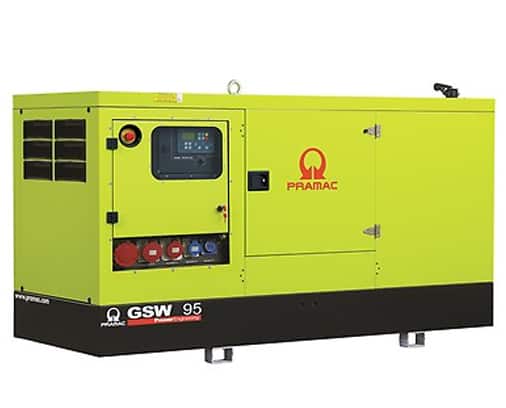
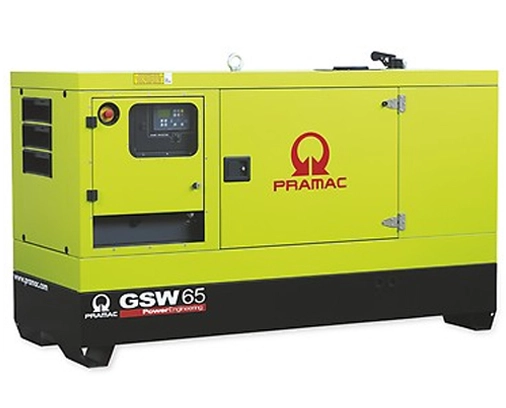
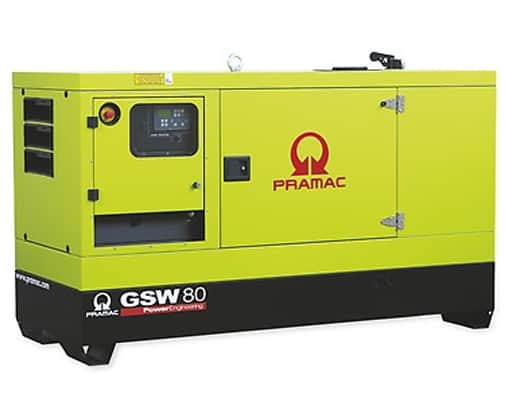
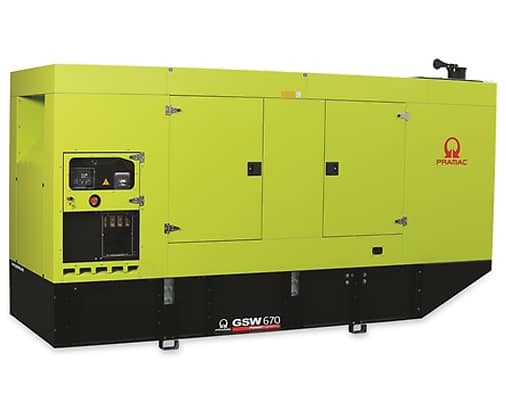
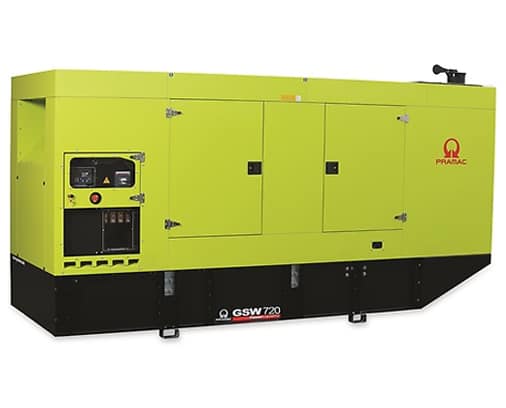
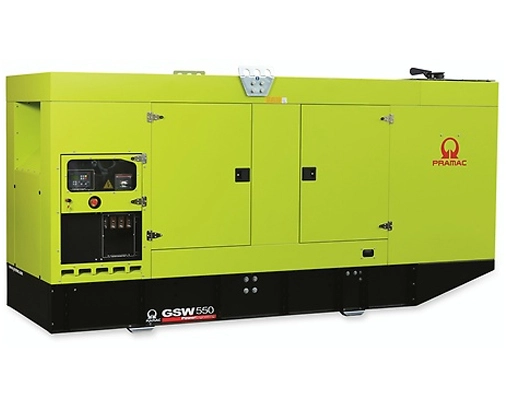
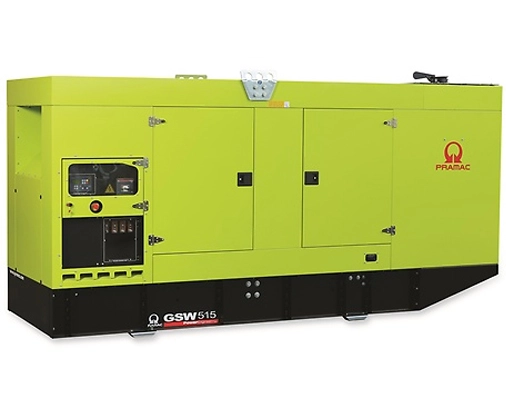
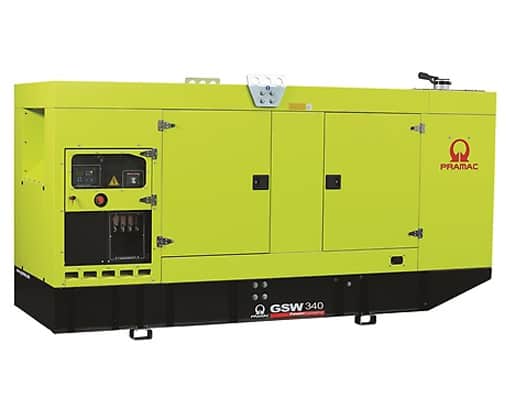
Bellwood Rewinds supplies new and used diesel generators for hospitals, clinics, care homes, laboratories and other healthcare environments throughout the UK. Our available range covers multiple power outputs and configurations, from compact, silenced units to larger three-phase generators suitable for complex facilities and high electrical loads.
Browse the hospital generators available below, or contact our engineering team if you need help identifying the right unit. We can review your critical loads, available space, voltage and phase requirements, future capacity, fuel arrangements and integration with Automatic Transfer Switches and UPS systems before recommending a suitable solution.

Yes. Many healthcare facilities use standby generators as part of wider backup power systems, often alongside UPS equipment, batteries, switchgear and Automatic Transfer Switches. These layered emergency power systems are designed to support essential clinical and building services when the normal electrical supply is unavailable.
The exact configuration depends on the services provided, the clinical and operational risks, and the facility’s electrical design. Hospitals, clinics and other healthcare environments should identify which loads must remain available to protect healthcare operations and support continuity of care during an outage.
There is no single changeover time that applies to every hospital circuit. NHS HTM 06-01 uses different maximum-interruption bands according to the level of risk and the type of supported service.
Loads that cannot tolerate an interruption may require UPS or battery support while the generator starts and stabilises, while other circuits can accept a short delay before standby power becomes available. A properly coordinated system should provide the rapid response required by the facility’s assessed critical loads while avoiding unstable transfers or damaging power surges.
Generator size must be calculated based on essential running loads, motor-starting currents, power factor, load sequence, and expected future demand. The calculation should consider not only medical equipment, but also ventilation, cooling, refrigeration, communications, lighting, IT infrastructure and other systems needed to maintain essential healthcare operations.
Large healthcare estates may require multiple generators or additional redundancy, rather than a single oversized unit. Bellwood can review the site’s essential load schedule and wider backup power system before recommending an appropriate kW or kVA rating. For more details, read How Big Are Hospital Generators?.
Yes. Diesel generators are widely used in hospital emergency power systems because they offer dependable starting, strong load acceptance, broad capacity options, and the ability to store fuel on-site.
However, suitability depends on more than fuel type. Noise, emissions, fuel storage, ventilation, maintenance access, integration with ATS and UPS equipment, and the wider resilience strategy all need to be considered. Correct specification and installation are important for ensuring patient safety and maintaining reliable support for essential services.
Testing and maintenance should follow the generator manufacturer’s recommendations, running hours, the healthcare facility’s own procedures and applicable UK technical guidance.
Because hospital generators form a critical part of backup power systems, routine inspections, proving runs, scheduled servicing and periodic load testing should be planned and documented. Testing the complete sequence can also confirm that the generator, ATS and connected controls respond correctly to loss of mains power.
A structured maintenance programme helps identify developing faults early, supports long-term reliability, and helps healthcare organisations maintain compliance with their own operational, engineering, and risk-management requirements.
Yes. Bellwood supplies new and used diesel generators across a range of kVA ratings for hospitals and other healthcare environments.
Our team can compare conditions, specifications, lead times, budgets, and long-term support requirements before recommending the most appropriate option. Whether the generator is being added to an existing emergency power system or forms part of a new installation, the priority should be to select equipment that integrates correctly with the site’s controls, distribution, and resilience strategy.
A power failure within a healthcare environment can affect far more than lighting. Clinical equipment, ventilation, communications, refrigeration, IT systems, water services and security may all depend on an uninterrupted or rapidly restored electrical supply. Across the healthcare industry, reliable electrical power is directly connected to patient safety and continuity of care. Hospitals and healthcare facilities depend on critical systems such as life-support equipment, operating rooms, medical refrigeration, electronic medical records, communications, and building services that cannot simply stop when utility power is lost. The consequences of losing those services vary by area, which is why healthcare backup power must be planned around clinical and business risk rather than treated as a standard commercial installation.
NHS England’s Health Technical Memorandum 06-01 explains that healthcare premises rely on resilient electrical infrastructure and that the level of integrity should increase with the potential consequence of a power failure. A hospital generator is therefore one part of a wider system that may also include dual supplies, UPS equipment, batteries, switchgear and carefully prioritised circuits.
Bellwood helps customers choose generators that fit within that broader resilience strategy. A well-designed backup arrangement helps protect patient safety by restoring power to essential circuits and supporting critical medical services when the normal supply is unavailable. In many modern healthcare facilities, generator systems form a key component of the wider essential electrical system, working alongside Automatic Transfer Switches, UPS systems, switchgear and prioritised distribution. The aim is not simply to provide the largest unit available, but to supply dependable capacity for the loads the facility has identified as essential.
A loss of power can compromise patient care when critical systems, medical equipment or life-saving procedures depend on a continuous electrical supply. In higher-risk areas, interruptions affecting life support machines, operating rooms, monitoring equipment or other life-saving equipment can create a serious risk to patient safety and, in the most critical circumstances, to human life.
Reliable power solutions are therefore designed to safeguard patient care by maintaining vital power to the services the facility has identified as essential. The precise arrangement should reflect the clinical risk, the ongoing demands of the medical facility and the time each load can safely tolerate without electricity.
Hospital backup generators must be selected for reliability, rapid automatic operation and stable electrical performance. The generator may remain idle for long periods before being required to start, accept load and operate for an extended outage without creating additional risk for patients, staff or sensitive equipment.
Important considerations commonly include:
Higher-risk healthcare areas may also require additional resilience, such as more than one generator or an N+1 arrangement, to ensure essential loads remain supported while a unit is unavailable for maintenance or due to a fault. The correct configuration should always follow a site-specific engineering and clinical risk assessment.
The scale and complexity of the system will differ, but reliable backup power can be important across many parts of the healthcare sector, including:
Not every facility requires the same type of generator or the same level of resilience. A small clinic may need a focused supply for defined essential services, while a large hospital campus may use multiple generator sets, UPS systems and a more complex distribution strategy.
A hospital generator should be sized against the loads selected through the facility’s risk assessment and electrical design. Depending on the site, these may include:
The objective is not automatically to support every electrical circuit. Prioritising loads can reduce unnecessary generator capacity and fuel consumption while ensuring the services with the greatest patient or operational risk remain available.
Hospital power systems are usually layered. The normal utility power or site supply acts as the primary source. If that supply fails, an Automatic Transfer Switch or associated control system detects the loss, starts the standby generator and transfers the selected load once the generator is ready. Reliable power solutions may combine emergency generators, Automatic Transfer Switches, UPS systems, batteries and carefully prioritised circuits so that critical loads remain supported while mains or utility power is unavailable.
Loads that cannot tolerate even a short interruption may be supported by a UPS or battery system. This tertiary supply bridges the period before generator power becomes available and helps protect sensitive clinical and digital systems. NHS HTM 06-01 uses different maximum-interruption bands according to the assessed risk and the type of service, rather than applying one universal changeover time to every hospital load.
The generator, ATS, UPS, switchgear and distribution system must therefore be designed as one coordinated solution. Testing each component in isolation is not enough if the complete sequence does not operate correctly during a real loss of mains power.
Selecting a generator for a hospital or healthcare facility requires more than matching a product to a headline kVA figure. The specification should reflect the connected equipment, starting demands, site resilience strategy, operating environment and practical arrangements for installation and maintenance.
Begin with a detailed schedule of the loads that must remain available during an outage. Include running demand, motor-starting currents, power factor and any phased load sequence. Bellwood can use this information to recommend an appropriate rating, while our guide to what size generator you need provides a useful introduction to kW, kVA and load assessment.
Allow for realistic future expansion, but avoid oversizing without evidence. A generator that is too small may suffer voltage and frequency instability or fail to accept the required load. An unnecessarily large unit may cost more to purchase, consume more fuel and operate inefficiently at low load.
Larger healthcare facilities generally use three-phase distribution, while smaller premises or specific loads may use single-phase supplies. The generator output must match the site voltage, phase arrangement and switchgear. Where both supply types are required, the distribution design should be reviewed by competent electrical engineers rather than assumed from the building size alone.
A single generator may be appropriate for some lower-risk installations, while larger or higher-risk facilities may need multiple sets, parallel operation or N+1 resilience. This allows essential loads to remain supported when one unit is being serviced or is unavailable. The required arrangement depends on the clinical risk grade, business continuity consequences and the existing electrical infrastructure.
Diesel generator runtime depends on storage tank capacity, connected load and fuel consumption. Diesel fuel can be stored on-site, giving healthcare providers greater control over resilience during longer utility interruptions. Healthcare sites should maintain an appropriate fuel strategy for their assessed outage scenarios, including storage, fuel quality, safe delivery and the ability to refuel without interrupting essential operations. Generic online claims about fixed operating hours should not replace a site-specific resilience plan.
Hospitals and care environments may be sensitive to noise, exhaust emissions and vibration. Silenced canopies, suitable exhaust routing and careful positioning can reduce disruption, but the generator must also receive enough cooling air and remain accessible for inspection. Planning should consider neighbours, patient areas, air intakes, fuel storage, fire strategy and local environmental requirements.
Diesel generators are commonly selected for hospital backup power because they offer strong load acceptance, a broad range of power capacities and dependable performance during extended operation. Fuel can be stored on-site, helping the facility maintain greater resilience during a broader utility disruption.
Modern diesel generators can also be supplied with advanced controllers, acoustic enclosures, remote monitoring and emissions-compliant engines. The most appropriate model depends on the application, duty, location and maintenance strategy rather than the fuel type alone.
Bellwood supplies commercial backup generators from a range of established manufacturers, allowing the specification to be based on the healthcare facility’s requirements rather than restricting the choice to a single brand or configuration.
A new generator can provide the latest engine technology, emissions performance, controls and manufacturer support. It may be the preferred option for a new installation, a long-term capital project, or a healthcare site with tightly defined technical requirements.
A carefully selected used generator can offer a more cost-effective route where budget, lead time or temporary resilience is the priority. However, condition, running hours, service history, alternator performance, controller compatibility and the availability of replacement parts should all be assessed before purchase.
Bellwood can discuss both options and help determine whether the available unit is suitable for the intended healthcare load. A low purchase price is not good value if the generator cannot be safely integrated, maintained or supported throughout its expected service life.
The Automatic Transfer Switch is central to an automatic hospital backup system. It monitors the normal supply, initiates the generator sequence and transfers the selected circuits when the standby supply is stable. When mains power returns, the controls manage retransfer and allow the generator to complete its cooldown cycle.
UPS systems serve a different but complementary purpose. They maintain power to selected no-break or highly sensitive loads while the generator starts and stabilises. The required autonomy and capacity depend on the connected load and the facility’s resilience strategy.
Compatibility must be checked across the generator controller, ATS, UPS, protection, earthing and distribution arrangements. Poor coordination can cause nuisance trips, failed transfers or equipment damage even when each individual component appears operational.
Hospital generator installations require careful planning around access, foundations, lifting, ventilation, exhaust routing, fuel systems, fire precautions, acoustic treatment, cabling and future maintenance. The proposed location must allow the generator to reject heat safely and give engineers adequate space to inspect and service major components.
Commissioning should prove the complete backup sequence, not simply demonstrate that the engine starts. This may include ATS operation, alarms, protection settings, load sequencing, fuel systems and load bank testing where appropriate. Site teams should also receive clear operating information and emergency procedures.
Review Bellwood’s generator safety information and ensure all design, installation and commissioning work is completed by competent professionals familiar with healthcare electrical systems.
A hospital backup generator must remain ready after long periods of inactivity and during continuous operation when required. Proactive maintenance plays a critical role in keeping hospital generator systems ready for emergency use. Routine maintenance, proving runs, fuel checks and load testing can identify weak batteries, control faults, cooling issues or fuel problems before they compromise patient care during a real outage. Planned testing and maintenance should therefore cover the complete system, including the engine, alternator, starter batteries, battery charger, fuel, coolant, filters, controls, switchgear, ATS and connected alarms.
A sensible programme may include routine visual inspections, regular proving runs, scheduled servicing based on time and operating hours, fuel-quality checks and periodic testing under representative load. Periodic testing under representative load can also help confirm that the generator, ATS and wider changeover sequence operate correctly when the normal supply is lost. The exact frequency should follow the manufacturer’s recommendations, the facility’s operating procedures, current healthcare guidance and the risk attached to the supported services.
Bellwood provides professional generator servicing, preventative maintenance and generator repairs for standby power systems. If testing identifies weak batteries, fuel contamination, cooling faults or unstable electrical output, dealing with the issue before an outage is far safer and more economical than relying on an emergency call-out.
Bellwood Rewinds combines generator supply with practical engineering support. We understand that healthcare customers need more than a product listing: they need confidence that the proposed generator can be specified, integrated, tested and supported throughout its working life.
Available stock changes regularly. Contact Bellwood Rewinds with your load schedule, site information and resilience objectives, and our team will help you identify a hospital generator that fits the application rather than simply selecting the nearest available rating.
Whether you need reliable backup power for a hospital, clinic, care environment, or other medical facility, Bellwood Rewinds can help you compare suitable generator systems based on your critical loads, resilience strategy, and site requirements. Our engineering team can provide guidance on sizing, diesel fuel arrangements, ATS and UPS integration, installation, testing and proactive maintenance, helping you select a reliable power solution that supports patient safety, essential healthcare services and long-term operational resilience.
Contact Bellwood Rewinds today with your healthcare power requirements for tailored advice and a quotation.