



In today’s world, where reliable power is crucial for both domestic and industrial applications, generators play a vital role in providing backup power solutions. However, one of the most common concerns when choosing a generator is its noise level. Noise pollution is not only a nuisance but can also have significant effects on health and well-being. Understanding generator noise levels is essential for making informed decisions that balance power needs with comfort and environmental considerations. In this comprehensive guide, we explore the various aspects of generator noise levels and how to choose a quieter generator for your needs.
Noise levels are a critical factor to consider when selecting a generator, especially in residential areas or quiet environments. Excessive noise can disrupt daily life, disturb neighbours, and violate local noise ordinances. Moreover, prolonged exposure to high noise levels can lead to health issues, such as stress, sleep disturbances, and hearing loss. Therefore, understanding and managing generator noise is essential for ensuring both compliance and comfort. Different generators produce varying noise levels, depending on their size, design, and power output. Noise is typically measured in decibels (dB), a logarithmic scale where each 10 dB increase represents a tenfold increase in noise intensity. For instance, a generator rated at 70 dB is ten times louder than one rated at 60 dB. As a point of reference, normal conversation levels are about 60 dB, while a typical lawn mower operates at around 90 dB.
Several factors influence the noise levels of a generator. One of the most significant factors is the generator’s size and power output. Generally, larger generators with higher power output tend to produce more noise. This is due to the larger engines and increased combustion required to generate more power. However, advancements in technology have led to the development of quieter generators that deliver substantial power while minimising noise. Another factor affecting noise levels is the type of engine used in the generator. Engines with fewer cylinders or lower revolutions per minute (RPM) often operate more quietly. Additionally, the materials used in the construction of the generator, such as sound-dampening enclosures or insulation, can significantly reduce noise output. The location and installation of the generator also play a role in its noise levels. Placing a generator in an open area with reflective surfaces can amplify sound, whereas positioning it in a soundproofed or insulated enclosure can help mitigate noise. Proper installation, including securing the generator to prevent vibrations, is essential for minimising noise impact.
Inverter generators have gained popularity in recent years as a quieter alternative to traditional generators. These generators use advanced electronic circuitry and high-tech magnets to produce clean and stable power. Inverter technology allows the generator to adjust its engine speed based on the required power load, resulting in more efficient fuel consumption and reduced noise levels. Inverter generators typically produce noise levels ranging from 50 to 60 dB, making them ideal for use in noise-sensitive environments such as campsites, residential areas, and outdoor events. Their compact and lightweight design also makes them easy to transport and store, further enhancing their appeal for users seeking convenience and quiet operation.

There are several techniques available to reduce generator noise levels, ensuring compliance with noise regulations and enhancing comfort. One effective method is the use of soundproof enclosures or acoustic barriers, which are designed to absorb and block noise. These enclosures can be custom-built or purchased as ready-made kits, providing an efficient way to reduce noise output by up to 10 dB or more. Another noise reduction technique is the installation of exhaust mufflers. Mufflers are designed to reduce the noise generated by the exhaust system, which is one of the primary sources of generator noise. High-quality mufflers can significantly lower noise levels, making them a worthwhile investment for those seeking quieter generator operation. Proper placement and installation of the generator can also help minimise noise. Positioning the generator on a stable, non-vibrating surface and ensuring that it is adequately ventilated can reduce noise caused by vibrations and engine operation. Additionally, maintaining a reasonable distance between the generator and occupied areas can help lessen the perceived noise impact.
Selecting the right generator involves more than just considering noise levels. It requires a careful assessment of your power needs, budget, and specific application requirements. For residential use, where noise levels are a primary concern, inverter generators or models with soundproof enclosures are often the best choice. These generators provide a balance between power output and quiet operation, making them suitable for home backup power or outdoor recreational activities. For commercial or industrial applications where higher power output is necessary, larger traditional generators may be required. In such cases, noise reduction techniques, such as acoustic barriers and mufflers, can help manage noise levels while ensuring reliable power supply. When choosing a generator, it is essential to consider the total power load required and ensure that the generator has sufficient capacity to handle the demand. Undersized generators can become overloaded, leading to increased noise levels and potential damage to connected equipment. Conversely, oversized generators may lead to unnecessary fuel consumption and higher operating costs.
Noise regulations vary by location, and it is important to be aware of local noise ordinances and compliance requirements when using a generator. Many municipalities have specific noise limits that must be adhered to, particularly in residential areas or during certain hours of the day. Ensuring that your generator complies with local regulations not only avoids potential fines and penalties but also promotes good neighbour relations. Checking with local authorities or consulting a professional can provide clarity on the specific noise limits applicable in your area and help you choose a generator that meets those requirements.
In addition to noise levels, environmental considerations are increasingly important when selecting a generator. The impact of noise pollution on wildlife and ecosystems is a growing concern, particularly in natural and rural areas. Quieter generators help minimise the disturbance to wildlife and preserve the natural soundscape, contributing to environmental conservation efforts. Furthermore, choosing generators with lower emissions and fuel-efficient technology aligns with global efforts to reduce carbon footprints and promote sustainable energy solutions. Inverter generators and models equipped with eco-mode features can help achieve these environmental goals by optimising fuel use and reducing emissions.


Regular maintenance is crucial for ensuring the longevity and optimal performance of your generator. Routine checks and servicing not only enhance reliability but also contribute to quieter operation. Well-maintained generators are less likely to produce excessive noise caused by mechanical issues or worn components. Key maintenance tasks include inspecting and replacing air filters, checking oil levels, and examining the exhaust system for any blockages or damage. Addressing these maintenance aspects helps prevent issues that could lead to increased noise levels and reduced efficiency. Investing in a quality generator from a reputable brand can also enhance longevity and performance. High-quality generators are typically built with durable materials and components designed to withstand regular use and provide consistent power output.
The user experience is an important consideration when choosing a generator, particularly in terms of noise levels and ease of operation. Features such as remote start, digital displays, and fuel efficiency indicators can enhance user convenience and satisfaction. Generators equipped with noise-reducing features and user-friendly controls offer a more pleasant experience, particularly for those who rely on generators for recreational activities or home backup power. Ensuring that the generator meets your specific needs and preferences can greatly enhance overall satisfaction and peace of mind.
The future of generator technology is focused on developing more efficient, quieter, and environmentally friendly solutions. Advances in battery technology and renewable energy integration are paving the way for hybrid generators that combine traditional fuel sources with solar or wind power. These innovations promise to deliver quieter and cleaner power solutions that meet the evolving needs of consumers and businesses. As the demand for sustainable energy grows, manufacturers are also exploring ways to improve the efficiency and noise levels of existing generator models. This includes the development of advanced soundproofing materials and innovative engine designs that minimise noise output.
Recent advancements in soundproofing technology have significantly improved the noise reduction capabilities of modern generators. Manufacturers are increasingly using sophisticated materials and designs to create enclosures that effectively dampen sound. These soundproof enclosures are engineered with multiple layers of materials that absorb and block noise, reducing the generator’s audible impact. Advanced soundproofing techniques also include the use of anti-vibration mounts and sound-dampening coatings that minimise the transmission of sound through the generator’s structure. These innovations not only lower the noise levels but also enhance the overall performance and durability of the generator. Moreover, soundproofing technology is becoming more accessible, with manufacturers offering custom solutions tailored to specific generator models and applications. This allows users to retrofit existing generators with effective noise reduction systems, making it easier to comply with local noise regulations and enjoy a quieter power generation experience.
The location and placement of a generator play a critical role in managing noise levels. Installing a generator in a strategic location can significantly reduce the perceived noise impact on surrounding areas. It is essential to consider both the distance from occupied spaces and the physical environment when determining the best placement for a generator. For instance, positioning a generator behind a natural barrier, such as a building or a row of trees, can help block and deflect sound waves. This not only reduces noise levels but also protects the generator from the elements, extending its lifespan. Additionally, using sound-absorbing materials around the installation site can further mitigate noise pollution. Choosing the right site for your generator requires careful consideration of local noise regulations, space availability, and accessibility for maintenance. A well-planned installation can enhance the efficiency of noise management strategies and improve the overall user experience.
Customising generators to suit specific applications and environments can further optimise noise management and performance. Many manufacturers offer custom solutions that allow users to select features and configurations tailored to their unique requirements. For instance, generators used in residential areas can be equipped with enhanced soundproofing and noise reduction technologies to ensure compliance with local noise regulations and improve comfort. In industrial settings, customisation might focus on integrating advanced control systems that optimise power output and fuel efficiency while minimising noise. Additionally, portable generators can be customised with ergonomic designs and lightweight materials to facilitate transport and reduce noise during operation. By customising generators, users can achieve a balance between power needs and environmental considerations, ensuring optimal performance and minimal impact on the surrounding area. This approach not only enhances the user experience but also contributes to the longevity and reliability of the generator, making it a worthwhile investment for any application.
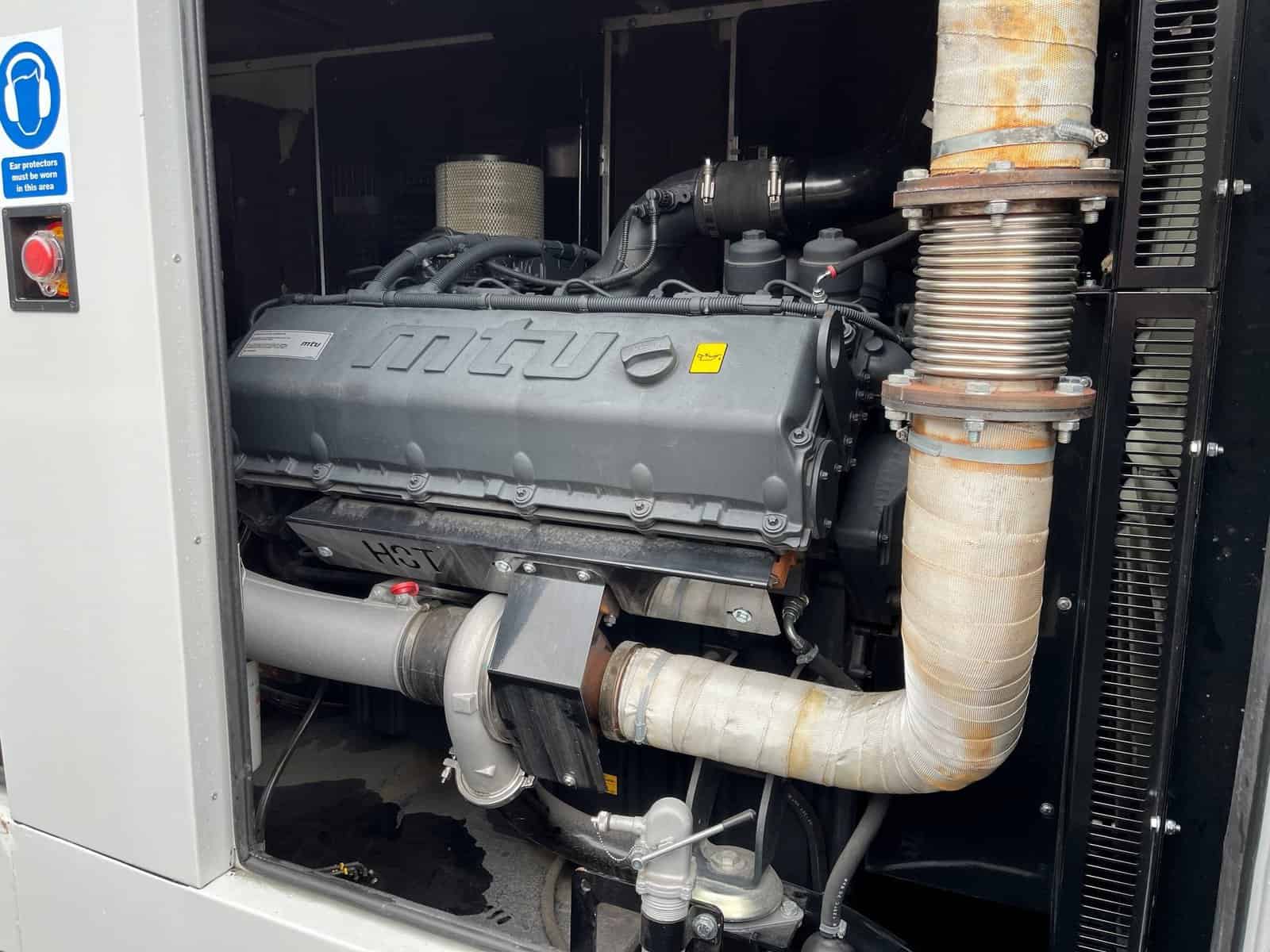

Understanding generator noise levels is essential for making informed decisions that balance power needs with environmental and comfort considerations. By considering factors such as noise levels, power requirements, and environmental impact, you can select a generator that meets your needs while promoting sustainability and compliance. At Bellwood Rewinds, we offer a comprehensive range of generators designed to provide reliable and efficient power solutions. Our team of experts is dedicated to helping you find the perfect generator for your specific requirements, ensuring that you enjoy the benefits of quiet and dependable power. By prioritising noise reduction and environmental responsibility, you can enhance your experience and contribute to a cleaner and quieter future. Whether you need a generator for residential use, outdoor activities, or industrial applications, understanding noise levels and choosing the right model can make all the difference in achieving a harmonious balance between power and peace. Contact us today.
Understanding the decibel scale can help put generator noise levels into perspective by comparing them to everyday sounds. Here are some common sounds and their approximate decibel levels:
By comparing these everyday sounds to generator noise levels, it becomes clearer why noise management is essential. For example, a generator that operates at 70 dB is comparable to a vacuum cleaner, making it tolerable for many but potentially disruptive over long periods, especially in quiet environments. Understanding these levels helps individuals and businesses choose generators that meet their needs while maintaining comfort and compliance with local noise regulations.