



Power generators are essential for providing electricity when mains power is unavailable. They are used in a wide range of applications, from emergency backup during outages to continuous power for industrial sites or remote locations. One of the most common questions for users and businesses is how long a power generator can run before needing refuelling or maintenance. The answer to this depends on several factors, including the type of generator, its fuel source, and the application in which it’s used. At Bellwood Rewinds, we understand the importance of reliable, long-lasting power, whether you need a backup solution for your home or a robust power source for a commercial site. In this blog, we’ll explore the various aspects that influence how long a generator can run and what you can do to maximise its performance.
The type of generator you choose has a significant impact on how long it can run. There are several different kinds of generators, each suited to different applications and operational demands. For instance, standby generators, which are commonly used for backup power during outages, are typically designed to run for shorter durations but deliver a high level of power when needed. On the other hand, portable generators, often used for construction or outdoor events, are smaller and designed for short-term use but are easily transportable. Larger industrial generators, such as those used in factories, hospitals, or data centres, are designed for continuous operation over extended periods. These heavy-duty generators can often run for days or even weeks, depending on their fuel source and maintenance schedule. Each type of generator comes with different run times, making it crucial to select the right one for your needs.
Three-phase power is commonly used in industrial and commercial applications due to its efficiency and reliability in handling high electrical loads. Unlike single-phase power, which uses one alternating current, three-phase power delivers three alternating currents, staggered by 120 degrees. This results in a more stable and balanced energy flow, making it ideal for running large machinery, heating systems, and other high-demand equipment. Three-phase generators are often the best choice for businesses requiring consistent, uninterrupted power for extended periods. At Bellwood Rewinds, our three-phase generators are designed to provide the high-performance power needed for demanding environments, ensuring your operations run smoothly and efficiently.
Three-phase generators are specifically designed to produce three alternating currents that are evenly spaced in phase, making them the ideal solution for industries requiring high power output and efficiency. These generators are more efficient at distributing electrical loads compared to single-phase generators, as they provide a constant flow of energy without the dips in power that can occur with single-phase systems. Three-phase generators are commonly used in factories, large construction sites, and other commercial operations where reliable power is critical. At Bellwood Rewinds, we offer a range of three-phase generators that deliver robust and dependable power, ensuring your equipment and systems run efficiently, no matter the demands.
The type of fuel a generator uses plays a major role in determining how long it can run. Common fuel sources for generators include diesel, petrol, natural gas, and propane. Each of these fuels has its advantages and limitations when it comes to run time and availability. Diesel generators are known for their reliability and efficiency, particularly in industrial settings. These generators tend to have longer run times compared to petrol-powered units and are often favoured for applications that require continuous power. Diesel is also more energy-dense, which means it can run for longer on a single tank compared to other fuels. Petrol generators, on the other hand, are often more accessible and less expensive to purchase but generally have shorter run times. Petrol burns faster than diesel, meaning that petrol generators need to be refuelled more frequently. These are usually best suited for short-term applications where portability is key. Natural gas and propane generators offer another option, particularly for stationary backup generators. Natural gas generators can run indefinitely if they are connected to a continuous supply of fuel, such as a natural gas line. This makes them ideal for residential backup systems that need to provide power for long periods during an outage. Propane generators, while not as common as petrol or diesel models, are also a good option for longer run times since propane can be stored for extended periods without degrading.

The size and capacity of a generator directly affect how long it can run. A generator’s size is usually measured in kilowatts (kW), which indicates the amount of electrical power it can produce. Larger generators can handle bigger loads and therefore tend to have longer run times because they don’t have to work as hard to power equipment. However, larger generators also consume more fuel, which can limit their continuous run time unless you have a large fuel supply on hand. For example, a small 5kW portable generator may run for 8-12 hours on a single tank of petrol, while a larger 20kW standby generator can run for several days, depending on its fuel source. Industrial generators with capacities of 100kW or more can often run for extended periods, especially if they are connected to a continuous fuel supply like natural gas. When choosing a generator, it’s important to consider not only the amount of power you need but also how long you’ll need that power to be available.
The run time of a generator also depends on whether it’s designed for continuous or standby use. Standby generators are typically used as backup power sources, meaning they only run when the mains power goes out. These generators are usually installed with an automatic transfer switch, which allows them to start automatically in the event of a power outage. Since standby generators are not intended for continuous use, they may only run for a few hours or days at a time, depending on the duration of the power cut. Continuous generators, on the other hand, are designed to run for extended periods without stopping. These are often used in industrial applications or in locations where there is no access to mains power, such as remote construction sites or off-grid homes. Continuous operation generators are built to handle long run times and can often operate for days or even weeks, provided they have sufficient fuel and regular maintenance.
Maintenance is a crucial factor in determining how long a generator can run without interruptions. All generators, regardless of their size or fuel type, require regular servicing to ensure optimal performance. Lack of maintenance can lead to overheating, fuel system issues, or mechanical failures, all of which can cut short the generator’s run time. To maximise the lifespan and run time of your generator, it’s essential to follow a regular maintenance schedule. This includes checking the oil and coolant levels, inspecting fuel lines, and replacing filters. For diesel generators, it’s important to monitor the fuel quality, as diesel can degrade over time, leading to clogs and reduced efficiency. Regularly scheduled maintenance can prevent unexpected breakdowns and ensure that your generator is ready to run for as long as needed.


Another critical aspect of determining how long a generator will run is its fuel consumption and efficiency. Generators consume fuel based on the electrical load they are powering. A generator running at full capacity will burn through fuel much faster than one operating at half its load. This is why it’s important to match the generator’s capacity with your power needs. Running a generator at full load for extended periods not only increases fuel consumption but also puts more strain on the engine, potentially reducing its lifespan. More efficient generators will consume less fuel while delivering the same amount of power, which translates into longer run times between refuelling. Advances in technology have led to more fuel-efficient generators, particularly in diesel and natural gas models, allowing them to run longer without sacrificing power output. At Bellwood Rewinds, we offer a range of generators designed for maximum efficiency, ensuring you get the most out of every tank of fuel.
While many factors can extend the run time of a generator, several things can also shorten it. One of the most common issues is running a generator with too heavy a load. If a generator is continuously operating at or near its maximum capacity, it will consume fuel faster and may overheat, leading to mechanical issues. It’s important to ensure that the generator you choose has sufficient capacity to handle your load without running at full throttle all the time. Environmental conditions can also affect a generator’s run time. For instance, generators operating in extreme heat may need to shut down periodically to cool off, while those running in cold weather might require more fuel to maintain the necessary internal temperatures. Altitude is another factor that can reduce a generator’s efficiency and run time, as higher elevations reduce the amount of oxygen available for combustion, which in turn reduces the generator’s power output.
Maximising the run time of your generator is all about careful planning and proper maintenance. Start by choosing a generator that is appropriately sized for your power needs. A generator that is too small will have to work harder, consuming more fuel and reducing its run time. Conversely, a generator that is too large may be inefficient, wasting fuel and running for shorter periods than necessary. Regular maintenance is also key. Ensure that your generator’s oil and coolant levels are always at the correct levels, and keep fuel lines, filters, and other components in good working order. For diesel generators, using high-quality fuel and storing it properly can help extend the run time by preventing fuel degradation. In addition, consider investing in a generator with fuel efficiency features. Many modern generators come equipped with features like load-sensing technology, which adjusts fuel consumption based on the amount of power being used. This can help extend the run time by reducing fuel waste during periods of low demand.
Knowing when to refuel or stop a generator is critical for maintaining its longevity and ensuring safety. Most generators are designed to run continuously for a set number of hours before requiring a break. For example, portable generators often need to be stopped and refuelled after 8-12 hours of operation. Standby generators, depending on their fuel supply, can run for several days but may still need to be shut down periodically for maintenance or cooling. It’s important to never refuel a generator while it is running. This can lead to dangerous situations, including fire or explosion. Always turn off the generator and let it cool down before adding more fuel. For generators connected to a continuous fuel supply, such as natural gas, regular checks should still be performed to ensure everything is functioning correctly and the generator is not overheating or experiencing mechanical issues.
Effective load management plays a crucial role in determining how long a power generator can run. Load refers to the total electrical demand placed on a generator by the devices and equipment connected to it. Managing this load efficiently can extend the run time by ensuring that the generator is not overworked. Generators operate most efficiently when running at about 50-80% of their maximum load capacity. Operating below this range can be inefficient, while exceeding it for extended periods can shorten the generator’s lifespan and increase fuel consumption. To optimise generator performance, it’s important to prioritise essential equipment and manage power usage carefully. For example, during a power outage, you may only need to power critical systems like lighting, refrigeration, or heating. By limiting the number of devices drawing power, you reduce the load on the generator, which helps conserve fuel and prolong the run time. Some modern generators come with smart load management systems, allowing for better distribution of power and improved fuel efficiency.
The availability of fuel and how it is stored directly impacts how long a generator can run. For generators that run on petrol, diesel, or propane, having a sufficient and well-maintained fuel supply is essential for extended operation. Fuel storage can become a challenge, particularly for those in remote locations or during long power outages when refuelling might not be immediately possible. To address this, many industrial users opt for large fuel tanks that can keep generators running for extended periods without the need for frequent refills. It’s also important to store fuel safely and in a manner that prevents degradation. Diesel, for example, can degrade over time if not stored properly, leading to issues like clogged filters or poor engine performance. Adding fuel stabilisers can help prolong the shelf life of stored fuel, ensuring it’s ready when you need it. For those relying on natural gas generators, fuel availability is less of an issue, as these systems can be connected to a continuous gas supply, allowing them to run indefinitely under the right conditions. However, it’s important to consider potential disruptions to the gas supply in emergency situations and have a backup plan in place.

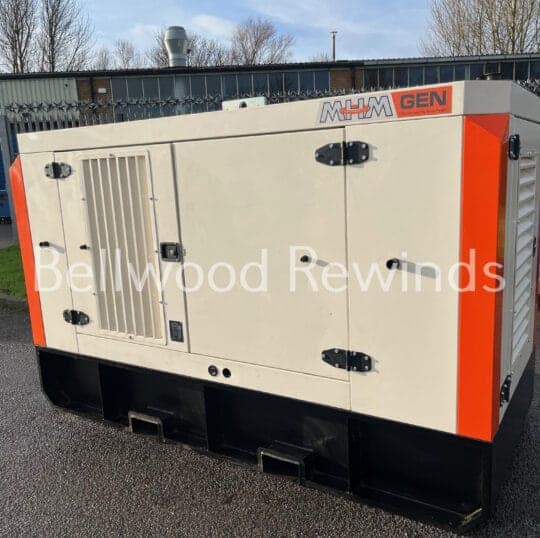
The environmental impact of running a generator for extended periods is a growing concern for many users. Diesel and petrol generators, in particular, produce emissions such as carbon dioxide, nitrogen oxides, and particulate matter, which contribute to air pollution and climate change. For businesses that rely on generators regularly, especially in industrial or construction settings, the environmental footprint can be significant. Choosing a generator with lower emissions, such as a cleaner-burning diesel model or a natural gas generator, can help mitigate these effects. There are also renewable energy options available, such as solar-powered generators, which can run indefinitely as long as there is sufficient sunlight. While these may not be suitable for high-demand applications, they can be an eco-friendly solution for certain use cases. In addition, using energy-efficient generators or hybrid systems, which combine traditional fuel sources with renewable energy, can help reduce the environmental impact while providing reliable power. At Bellwood Rewinds, we recognise the importance of balancing performance with sustainability and offer a range of generators that meet both operational and environmental needs. The length of time a power generator can run depends on a variety of factors, including the type of generator, fuel source, capacity, and maintenance schedule. By understanding these factors and choosing the right generator for your needs, you can ensure that your generator provides reliable power for as long as necessary. Whether you need a portable generator for short-term use or a continuous generator for industrial applications, Bellwood Rewinds offers a range of solutions designed to meet your power needs efficiently and effectively. Contact us today, we also offer Hyundai generators.