



Electric generators have become so integral to modern life that we often take their presence for granted, yet these remarkable devices power virtually every aspect of our contemporary world. From the moment we switch on our morning lights to the complex industrial processes that manufacture the goods we use daily, generators work tirelessly behind the scenes to convert mechanical energy into the electrical power that drives our civilisation. Understanding where electric generators are used reveals not only the breadth of their applications but also their critical importance in maintaining the infrastructure and services that define modern society.
The ubiquity of generators across different sectors demonstrates their versatility and reliability as power sources. Whether providing primary electricity generation for entire cities or serving as backup power systems for critical facilities, generators adapt to meet the specific requirements of countless applications. Their ability to operate in diverse environments, from remote construction sites to sophisticated medical facilities, makes them indispensable tools for ensuring continuous electrical supply regardless of circumstances or location.
In the United Kingdom, the role of generators extends far beyond simple power generation, encompassing everything from supporting the National Grid during peak demand periods to enabling outdoor events and festivals that contribute significantly to the cultural and economic fabric of our communities. The widespread deployment of generators across various sectors reflects their essential nature in maintaining the electrical reliability that underpins our modern way of life.
The industrial sector represents one of the largest and most critical applications for electric generators, where reliable power supply is essential for maintaining production schedules, ensuring worker safety, and protecting valuable equipment from power disruptions. Manufacturing facilities across the UK rely on generators not only as backup power sources during grid outages but also as primary power systems in locations where grid connection is impractical or insufficient to meet demanding power requirements.
In manufacturing environments, generators serve multiple crucial functions that extend well beyond emergency backup power. Many production processes require uninterrupted electrical supply to maintain product quality and prevent costly equipment damage. Pharmaceutical manufacturing, for instance, relies on generators to maintain precise environmental controls and power critical safety systems that protect both products and personnel. Similarly, food processing facilities use generators to ensure continuous refrigeration and maintain hygienic conditions that are essential for food safety compliance.
Steel mills and other heavy industrial facilities often incorporate large-scale generators as part of their primary power infrastructure. These installations can include generators capable of producing hundreds of megawatts of electricity, effectively functioning as small power stations dedicated to industrial use. The ability to generate power on-site provides these facilities with greater control over their energy costs and supply reliability while reducing their dependence on external grid infrastructure.
Automotive manufacturing plants throughout the UK utilise sophisticated generator systems to support their complex production lines. Modern automotive assembly requires precise coordination of numerous automated systems, robotic equipment, and environmental controls that cannot tolerate power interruptions. Generators ensure that production can continue even during grid instabilities and provide the power quality necessary for sensitive electronic manufacturing equipment.
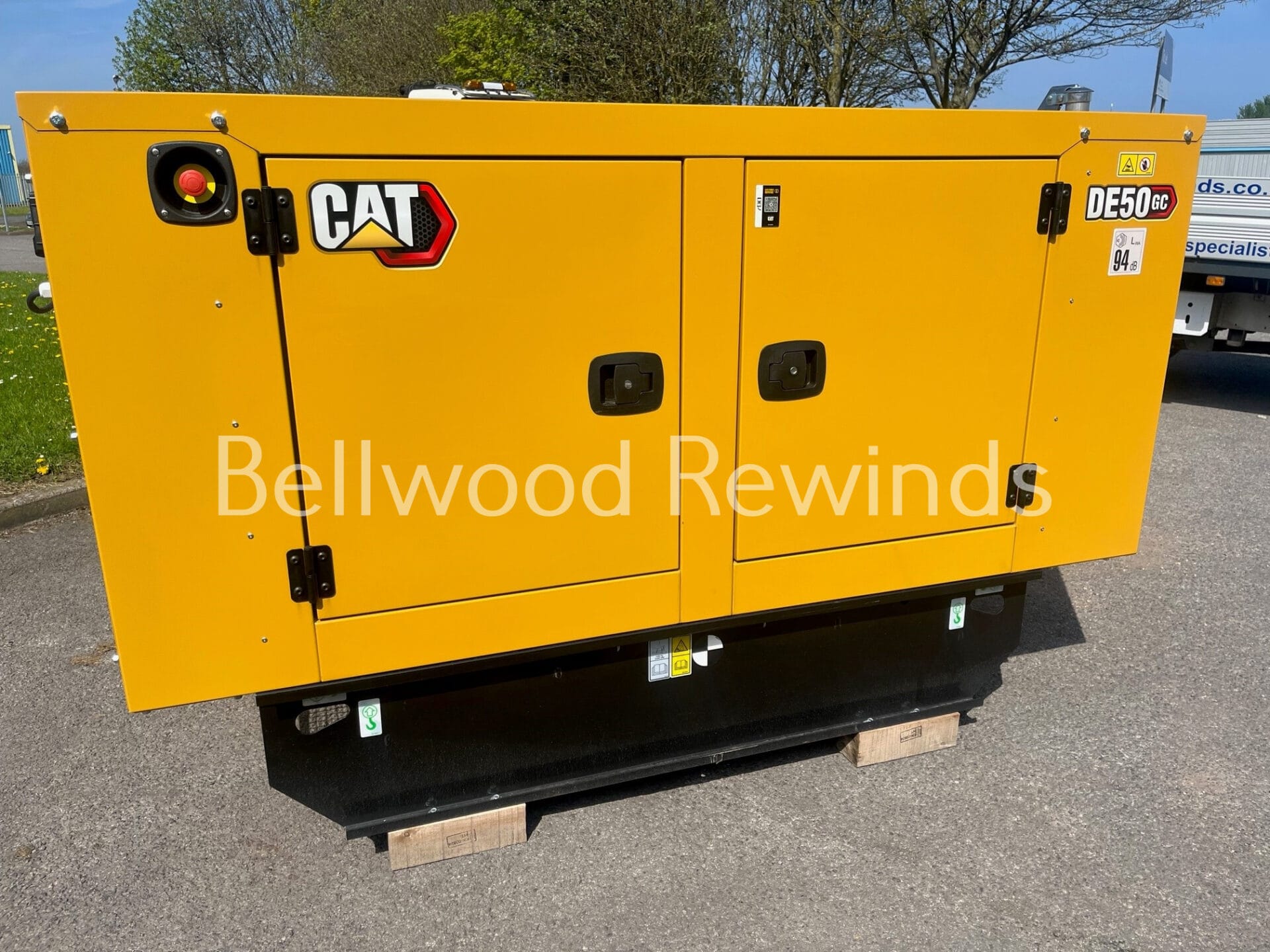
Commercial buildings rely extensively on generator systems to maintain essential services during power outages and to provide supplementary power during peak demand periods. Office towers, shopping centres, and retail facilities across major UK cities incorporate generator systems that can seamlessly transition to backup power when needed, ensuring minimal disruption to business operations and customer services.
Data centres represent perhaps the most critical commercial application for generators, as these facilities must maintain continuous operation to support the digital infrastructure that modern businesses depend upon. The generators used in data centres are typically large, sophisticated systems capable of providing power for extended periods while maintaining the precise voltage and frequency control required by sensitive computer equipment. Many data centres incorporate multiple redundant generator systems to ensure absolute reliability.
Hotels and hospitality venues depend on generators to maintain guest services and safety systems during power outages. Beyond basic lighting and elevators, generators power critical systems including fire safety equipment, security systems, and kitchen facilities that are essential for guest comfort and safety. Large hotel complexes often feature multiple generators configured to provide different levels of backup power based on the criticality of various building systems.
Construction sites across the UK rely heavily on portable and stationary generators to provide electrical power in locations where grid connectivity is unavailable or impractical. These applications range from small residential construction projects using portable generators to power tools and lighting, to major infrastructure developments requiring substantial generator installations to support extensive construction operations.
Major infrastructure projects, such as railway construction, highway development, and utility installations, often require large temporary generator systems that can operate reliably for months or years. These installations must withstand harsh environmental conditions while providing consistent power for construction equipment, site lighting, temporary facilities, and safety systems. The generators used in these applications are typically diesel-powered units selected for their durability and fuel efficiency.
Tunneling projects present unique challenges that make generators particularly important for maintaining safe working conditions. Underground construction requires continuous ventilation, lighting, and communication systems that cannot be interrupted without creating dangerous conditions for workers. Generator systems used in tunneling applications must be capable of operating in challenging environments while providing the reliable power necessary for life safety systems.
The residential sector has witnessed significant growth in generator adoption as homeowners increasingly recognise the importance of backup power for maintaining comfort, security, and essential services during power outages. This trend has been accelerated by more frequent extreme weather events and an increased reliance on electrical devices for daily activities, making backup power systems more valuable than ever for residential applications.
Residential generators range from small portable units designed to power essential appliances during brief outages to whole-house systems capable of automatically maintaining full electrical service during extended power disruptions. Standby generators installed at residential properties can seamlessly detect power outages and automatically start to provide backup power without any manual intervention, ensuring that homeowners maintain access to heating, cooling, lighting, and other essential services.
The increasing prevalence of home-based businesses and remote working arrangements has made residential backup power more critical than ever. Professional services, online businesses, and telecommuting arrangements all depend on reliable electrical power for internet connectivity, computer systems, and communication equipment. Generators provide the continuity necessary to maintain productivity and professional obligations during power outages that might otherwise result in significant business disruption.
Medical equipment in residential settings represents another crucial application for home generators. Individuals who depend on electrically powered medical devices, such as oxygen concentrators, CPAP machines, or refrigerated medications, require reliable backup power to maintain their health and safety during grid outages. Residential generators provide the life-sustaining power necessary to support these critical medical applications.
Community centres, schools, and public facilities throughout the UK incorporate generator systems to maintain essential services during emergencies and power outages. These installations often serve dual purposes, providing backup power for normal operations while also supporting community emergency response efforts during natural disasters or other crisis situations.
Emergency services facilities, including fire stations, police stations, and ambulance services, rely on generators to maintain operational capability during power outages. These critical facilities must remain functional regardless of grid conditions to ensure public safety and emergency response capability. The generators used in these applications are typically highly reliable systems with extensive fuel storage capacity to support extended operation during major emergencies.
Schools and educational facilities use generators to maintain safe environments for students and staff while protecting valuable educational equipment and resources. Beyond basic lighting and heating, generators power communication systems, security equipment, and food service facilities that are essential for maintaining school operations during power disruptions.


Agricultural operations across the UK depend extensively on generators for both primary and backup power applications. Dairy farms require continuous electrical power for milking equipment, milk cooling systems, and livestock ventilation systems that cannot be interrupted without threatening animal welfare and product quality. Generators ensure that these critical agricultural processes can continue regardless of grid availability or reliability.
Poultry and livestock operations rely on generators to maintain environmental controls that are essential for animal health and productivity. Ventilation systems, heating and cooling equipment, and automated feeding systems all require reliable electrical power to function properly. Power outages in these facilities can quickly result in animal stress, reduced productivity, or even livestock mortality, making backup generators essential for responsible agricultural management.
Remote agricultural locations often use generators as primary power sources where grid connection is unavailable or prohibitively expensive. These installations support not only agricultural operations but also residential facilities for farm workers and their families, providing comprehensive electrical service in areas where traditional utility infrastructure is impractical.
Beyond their common industrial, commercial, and residential applications, generators serve numerous specialised functions that are critical for public safety, emergency response, and unique operational requirements. These applications often demand generators with specific performance characteristics or environmental capabilities that go beyond standard power generation requirements.
Hospitals and medical facilities represent perhaps the most critical applications for emergency generators, as these institutions must maintain continuous operation to preserve life and provide essential medical services. Hospital generators are typically large, sophisticated systems with multiple levels of redundancy and automatic transfer capabilities that ensure seamless power transition during grid outages.
Operating theatres, intensive care units, and emergency departments require uninterrupted power supply to maintain life support equipment, surgical instruments, and critical monitoring systems. The generators supporting these facilities must provide clean, stable power that meets the strict requirements of sensitive medical equipment while maintaining absolute reliability during emergency situations.
Pharmaceutical storage and research facilities depend on generators to maintain precise environmental controls for temperature-sensitive medications and research materials. Power outages in these facilities can result in the loss of valuable medications or research samples worth millions of pounds, making reliable backup power essential for protecting both public health and significant financial investments.
Airports throughout the UK rely extensively on generator systems to maintain critical operations during power outages and to provide supplementary power during peak demand periods. Airport generators power essential systems including runway lighting, air traffic control equipment, baggage handling systems, and passenger terminal facilities. The reliability requirements for airport generators are extremely high, as power failures can result in flight delays, cancellations, and safety concerns.
Railway systems incorporate generators to support signalling equipment, station facilities, and maintenance operations. While many railway systems operate on dedicated electrical supply networks, backup generators ensure that critical safety systems remain operational during power disruptions. Railway maintenance facilities often use generators to power workshop equipment and support train servicing operations in locations where grid power may be limited.
Marine facilities, including ports, harbours, and offshore installations, frequently rely on generators for primary or backup power. These installations must operate in challenging marine environments while providing reliable power for cargo handling equipment, navigation systems, and safety equipment. The generators used in marine applications are typically designed to withstand harsh weather conditions and salt air exposure.
The entertainment industry makes extensive use of portable and temporary generator systems to support concerts, festivals, film production, and other events that require substantial electrical power in locations where permanent infrastructure is unavailable. Large music festivals can require megawatts of generator capacity to power sound systems, lighting, vendor facilities, and safety equipment for events hosting tens of thousands of attendees.
Film and television production relies heavily on generators to provide the substantial electrical power required for lighting, camera equipment, and support facilities during location shooting. Production generators must be capable of providing clean, stable power for sensitive electronic equipment while operating quietly enough to avoid interfering with audio recording requirements.
Outdoor sporting events, including football matches, cricket tournaments, and athletic competitions, use generators to support temporary facilities, broadcasting equipment, and spectator services. These applications often require rapid deployment and flexible configuration capabilities to accommodate varying venue requirements and event schedules.
The versatility and reliability of modern generators make them indispensable across virtually every sector of the economy, from critical infrastructure and healthcare to entertainment and agriculture. As our dependence on electrical power continues to grow and our expectations for reliability increase, the role of generators in maintaining continuous electrical supply becomes ever more important. For organisations and individuals seeking reliable generator solutions across any of these diverse applications, Bellwood Rewinds stands as the leading name in generators across the UK, providing expert service, maintenance, and support that ensures optimal performance and reliability for generators serving critical applications throughout the nation. Get in touch for more information.