



In the world of power systems, few things are more essential than ensuring an uninterrupted supply of electricity in critical environments. Hospitals, data centres, manufacturing facilities, and care homes are just some of the places where a power outage can cause more than just inconvenience—it can lead to operational disruption, data loss, equipment damage, or even threats to life and safety. At Bellwood Rewinds, we work with clients across the UK to implement power systems that are built for reliability, resilience, and rapid response. One of the most important components in any reliable backup power setup is the seamless integration of generators with transfer switches, which ensure that the moment the mains supply fails, standby power kicks in without hesitation. But keeping the lights on in critical environments involves more than equipment—it requires strategy, design, and ongoing support.
The term “critical environment” can mean different things to different industries, but in the context of power supply, it refers to any facility or operation that cannot afford downtime. This might include a hospital’s intensive care unit, where patient monitoring devices must remain active at all times. It could refer to a data centre hosting financial transactions or cloud-based services that are expected to be accessible around the clock. Even a logistics warehouse with high-volume automation or a food processing plant with temperature-sensitive storage systems falls under this definition when continuous power is non-negotiable.
In all of these scenarios, a break in power is not merely a nuisance—it’s a potential risk. These environments depend on a stable, continuous electrical supply to function, and any interruption, no matter how brief, can have serious consequences. That’s why backup power systems must be more than just an afterthought. They must be designed as a fundamental part of the facility’s infrastructure, built with fail-safes, redundancy, and rapid response mechanisms.
Speed is everything when it comes to power continuity. In critical settings, waiting for someone to manually start a backup generator is simply not an option. Power loss needs to be detected immediately, and the transition to backup power must be automatic, seamless, and safe. The human element cannot always be relied on during an emergency, particularly if outages happen in the middle of the night or when staff are otherwise occupied.
This is where automation becomes key. Systems need to detect outages within milliseconds and start the backup generator before the power cut can affect connected equipment. The transition must happen quickly enough to prevent system resets, data loss, or voltage dips that could trip delicate electronic equipment. Without this fast response, even the most robust generator will fall short of protecting the facility. The entire process must be engineered for continuity, not recovery.
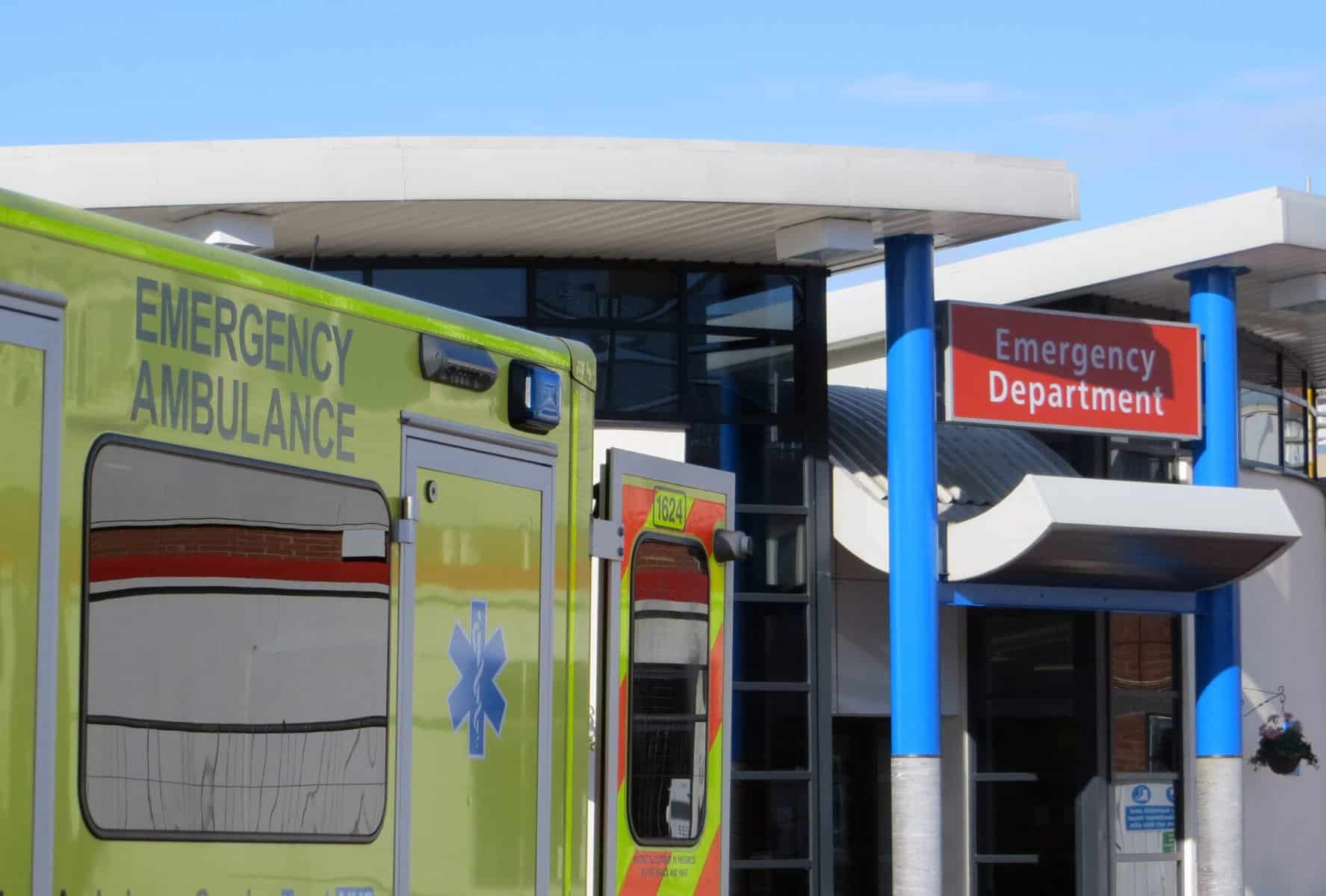
Many businesses view backup power as a safety net rather than a core function. It’s often something people only think about when the lights go out. But at Bellwood Rewinds, we know from experience that a well-designed backup system should be seen as a long-term investment. Not only does it protect operational uptime, but it also safeguards against revenue loss, equipment damage, and reputational harm.
For hospitals, the financial impact of an outage could include cancelled surgeries, disrupted care, and emergency evacuation protocols. In a data centre, downtime costs are measured by the second, with service-level agreements and client trust on the line. Manufacturing facilities risk losing entire production runs or damaging machines if power supply becomes unstable. In all cases, the cost of recovery far outweighs the investment in prevention.
Installing a reliable backup power system tailored to your environment ensures that your business or service can continue operating with confidence, regardless of what’s happening to the national grid. It’s about maintaining standards, delivering care, meeting obligations, and staying competitive.
It’s not just about whether the lights stay on—it’s about the quality of the power being supplied. Sensitive equipment, such as medical scanners, industrial control panels, or server arrays, requires clean, stable power to operate properly. A fluctuation in voltage, even a small one, can cause systems to shut down, behave unpredictably, or suffer long-term damage.
This is why high-quality generators, voltage regulation systems, and well-maintained infrastructure are critical in backup setups. A flicker in lighting may seem minor, but it could indicate a drop in voltage that compromises the performance of more delicate systems. The right backup power solution isn’t just about supplying electricity—it’s about supplying the right kind of electricity.
At Bellwood Rewinds, we don’t just focus on the kilowatts. We ensure that the power being delivered matches the needs of the equipment it supports. From specifying generator capacity to selecting voltage regulation components, we take into account the power quality requirements of each site, helping to preserve equipment life and prevent avoidable failures.
Even the most advanced backup power system is only as reliable as its maintenance schedule. One of the biggest mistakes we see in critical environments is assuming that once a generator is installed, it can simply sit idle until needed. Unfortunately, generators that haven’t been tested or serviced regularly are far more likely to fail when they are needed most.
Fuel quality can degrade, batteries can lose charge, connections can corrode, and control systems can fall out of calibration. These are not faults you want to discover during a real power cut. That’s why routine testing, load simulations, and preventative maintenance are all part of a robust critical power strategy.
Our team at Bellwood Rewinds provides tailored service contracts for critical environments, ensuring that backup systems are always ready to respond. We test for start-up reliability, monitor output stability, and inspect all components—from control panels to switchgear—to confirm performance. For high-dependency facilities, we also recommend on-site training so that staff understand how the system works and what to expect during an outage.


No two critical environments are the same. A regional hospital, a pharmaceutical lab, and a food processing plant all have very different energy requirements, equipment sensitivities, and operational priorities. That’s why off-the-shelf solutions rarely work when it comes to backup power. A successful installation takes into account not just power demand, but also site access, fuel logistics, acoustic concerns, ventilation, and compliance with industry regulations.
We begin every critical environment project with a comprehensive consultation. This includes site visits, power audits, and an in-depth analysis of current infrastructure and future plans. Our aim is to create a bespoke system that works seamlessly with your day-to-day operations while offering maximum resilience when it matters most.
Whether it involves a single standby generator or a synchronised system of multiple units, we design for efficiency, ease of maintenance, and rapid deployment. We also ensure that all installations meet relevant UK safety standards and environmental guidelines, giving our clients complete confidence in both performance and compliance.
In many critical settings, having a single backup generator is not enough. Redundancy—having multiple backup systems in place—is a key part of creating a fail-safe power supply. This could mean installing multiple generators capable of sharing the load or having separate power sources for different parts of a facility.
For example, a hospital might designate one generator for life-support systems and another for lighting and HVAC. Similarly, a data centre might isolate critical servers on a dedicated power loop, supported by an independent generator and UPS system. This approach not only protects against generator failure but also allows for scheduled maintenance without exposing the site to risk.
Resilient systems often include real-time monitoring, automatic fault detection, and remote alerts, allowing issues to be addressed before they escalate. These layers of protection work together to ensure that even in the worst-case scenario, the power stays on where it matters most. At Bellwood Rewinds, we help our clients evaluate these options and build the right level of redundancy into their setup from the start.
Critical environments are often subject to stringent regulatory standards. Healthcare facilities must comply with NHS guidelines and Care Quality Commission (CQC) requirements, while data centres may adhere to ISO and Tier-level certifications. In many cases, backup power systems must be proven not only to exist but also to function within specific response times and performance parameters.
Our installations are carried out with compliance in mind from day one. We provide documentation, commissioning reports, and performance logs that help clients meet audit requirements and reassure stakeholders. Where applicable, we also support integration with building management systems (BMS) and provide recommendations on UPS compatibility, switchgear upgrades, and future scalability.
A compliant backup power system doesn’t just help meet legal obligations—it enhances trust. Whether it’s patients, clients, or customers, knowing that your organisation has taken every measure to ensure continuity builds confidence in your operations and brand.
One of the key lessons we’ve learned through years of working with critical environments is that power loss rarely happens at a convenient time. It could be a storm knocking out the local grid, a technical failure within the building, or even an external disruption like roadworks damaging a utility line. The common theme is unpredictability.
That’s why planning for backup power isn’t about reacting—it’s about preparing. A well-thought-out generator system, supported by fast-switching technology and regular maintenance, transforms power outages from emergencies into non-events. The lights stay on, the systems stay running, and your team can carry on without interruption.
It’s this level of preparedness that separates reactive from resilient organisations. At Bellwood Rewinds, we’re committed to helping our clients become the latter. With trusted equipment, expert installation, and full lifecycle support, we make power continuity something you can count on, no matter what challenges arise.
In critical environments, there is no room for compromise. Power must be reliable, responsive, and robust. From hospitals and care homes to data centres and advanced manufacturing, the systems that keep our society functioning depend on electricity that doesn’t falter when it’s needed most.
A power outage in these settings isn’t just inconvenient—it can be dangerous, disruptive, and costly. That’s why backup power should be viewed as a vital utility, supported by proper design, equipment, and maintenance. At Bellwood Rewinds, we don’t just supply generators—we provide complete solutions that include planning, installation, servicing, and long-term support.
Whether you’re reviewing your current power strategy or planning a new facility, we’re here to help you keep the lights on. Get in touch today to speak with one of our power specialists and take the first step towards building a truly reliable energy system for your critical environment.