



Power is no longer just a backup solution for many UK businesses. In sectors ranging from manufacturing and food production to hospitality and data handling, a generator forms a critical part of operational continuity. Yet as businesses expand, upgrade equipment and increase energy demand, the generator that once felt more than adequate can quietly become a liability. Recognising when your business has outgrown its current generator is essential to avoiding costly disruption, unexpected failures and long-term inefficiencies.
Growth rarely happens overnight, but the strain it places on infrastructure can build gradually. What once supported your operations comfortably may now be running close to its limits. Understanding the warning signs allows you to act proactively rather than reactively.
One of the clearest indicators that your generator is no longer suitable is a steady rise in power consumption. Expanding office space, additional machinery, upgraded production lines and new IT systems all add electrical load. Over time, this increased demand can push your generator beyond its optimal operating range.
Generators are designed to operate most efficiently within a specific load window. Running consistently at high load levels can accelerate wear, increase fuel consumption and reduce overall lifespan. If your generator frequently operates near maximum capacity during routine operations, it is no longer functioning as a standby asset. It has effectively become undersized for your business.
You may also notice that certain equipment cannot be powered simultaneously during an outage, forcing you to prioritise essential systems. This compromises productivity and exposes weaknesses in your resilience strategy.
Voltage stability is critical for modern businesses. Sensitive electronics, automated production systems and computer-controlled machinery rely on consistent power. If you are experiencing unexplained voltage drops, flickering lighting or irregular equipment behaviour during generator operation, your unit may be struggling to maintain stable output under load.
As businesses grow, the electrical distribution within a building can become more complex. A generator that once handled simple lighting and basic machinery may now be feeding advanced systems that demand tighter voltage regulation. Persistent instability is not simply an inconvenience; it can damage equipment and increase maintenance costs.
Upgrading to a generator with improved control systems or enhanced alternator capacity may be necessary to support evolving operational requirements.
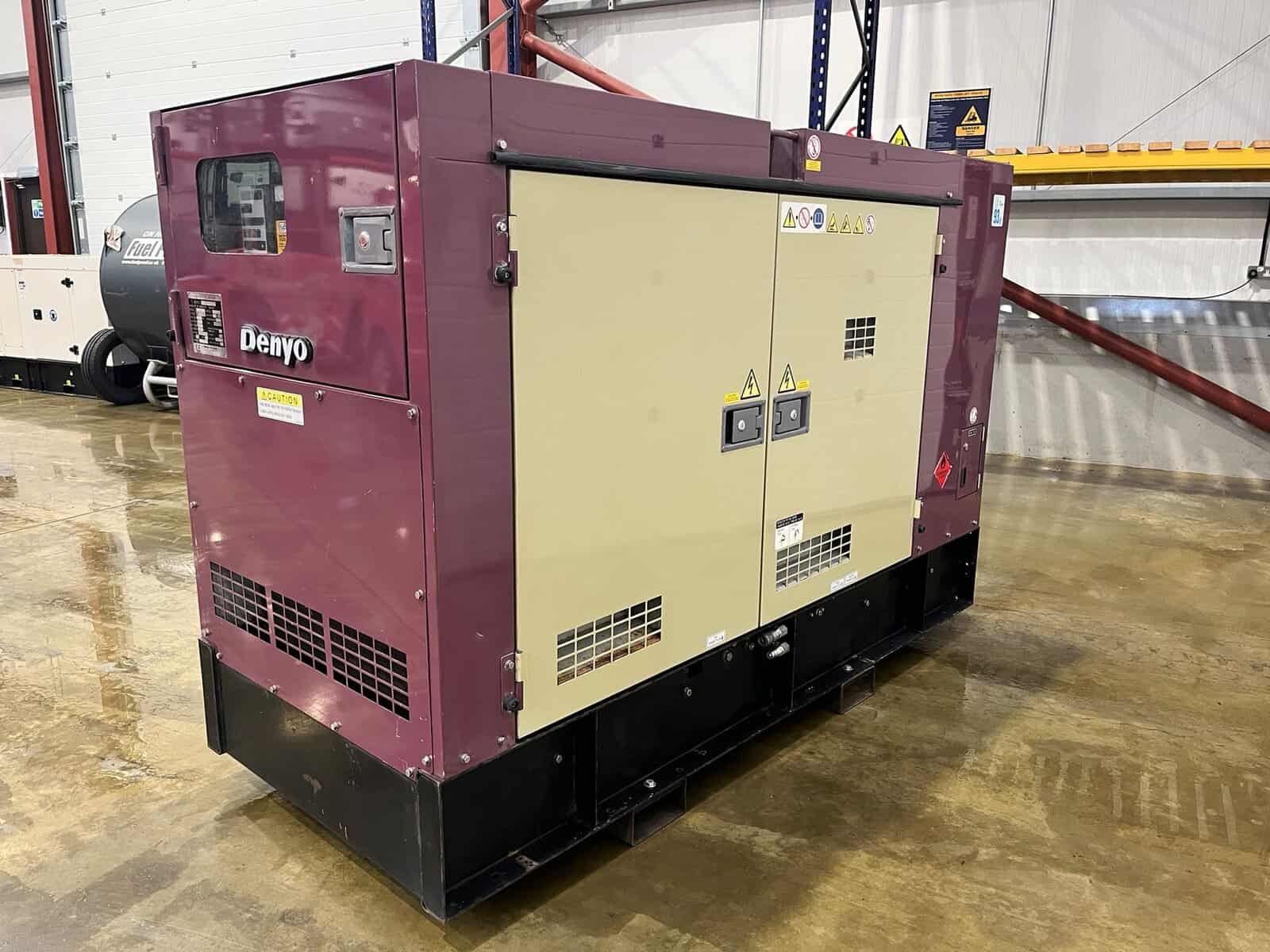
Fuel efficiency is often overlooked when assessing generator suitability. If your diesel generator is consuming noticeably more fuel than it did previously, despite similar usage patterns, it may be operating outside its optimal performance range.
When generators are undersized, they tend to run at consistently high loads. This increases fuel consumption and internal stress. Conversely, if your business has shifted to irregular power usage patterns, your generator may be running inefficiently during partial load conditions.
Tracking fuel costs over time can reveal patterns that point towards mismatched capacity. An increase in operating expenses without a clear mechanical fault may indicate that the generator is no longer aligned with your site’s demands.
As businesses expand, generators often face heavier operational cycles. What was once a purely emergency asset may now be used more regularly for load balancing, peak shaving or planned maintenance shutdowns.
If you find that servicing intervals are shortening or minor faults are becoming more frequent, your generator may be under excessive strain. Components such as alternators, voltage regulators and cooling systems are designed with certain usage expectations in mind. Increased wear can signal that your generator is being pushed beyond its intended design.
Escalating repair costs are often an early warning that replacement or upgrade is more economical in the long term. Continually repairing an undersized generator can become a reactive and expensive cycle.
Many growing businesses introduce heavier machinery or industrial systems that require three phase power. If your existing generator was originally installed to support lighter or single phase loads, it may not deliver the performance required for larger commercial applications.
Three phase systems provide smoother power delivery and are essential for many types of industrial equipment. Attempting to run such systems on an inadequate generator can cause imbalance, overheating and efficiency losses.
If your operational profile has shifted towards industrial-grade equipment, reassessing your generator capacity is a logical next step.

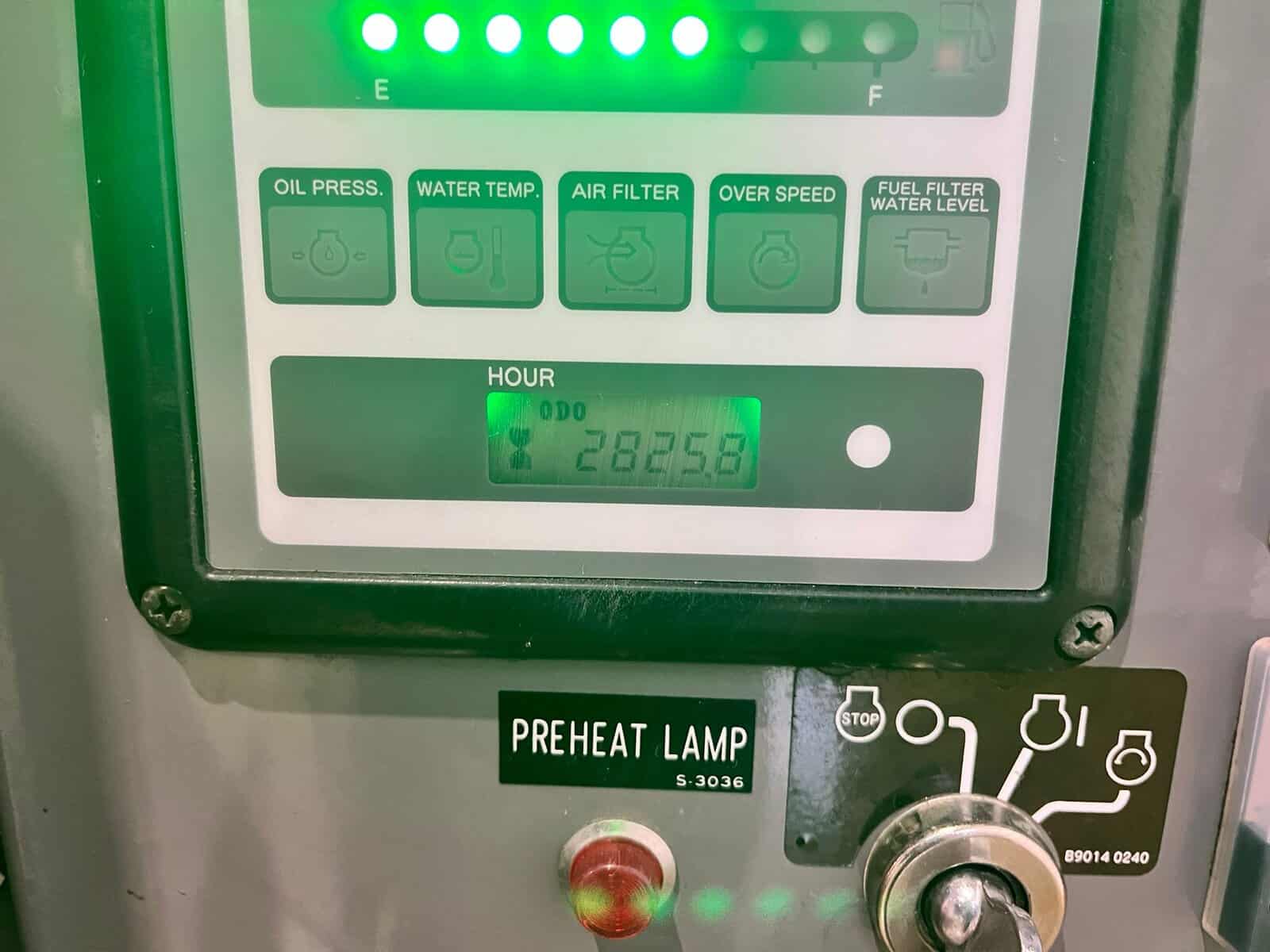
A generator should provide confidence during peak trading hours, not anxiety. If your business now experiences limitations during high-demand periods, particularly when operating on backup power, it suggests your infrastructure has not kept pace with growth.
Seasonal businesses often face this challenge. Hospitality venues, agricultural operations and retail warehouses may expand staffing and equipment during peak months. If your generator cannot comfortably support this temporary surge, your resilience plan is compromised at precisely the wrong moment.
Planning for peak load, rather than average load, is essential for modern operations.
Environmental standards in the UK continue to evolve. Older diesel generators may not meet current emissions expectations or may struggle to comply with low-emission requirements in certain areas. As businesses grow and visibility increases, compliance becomes more important.
Upgrading to a more efficient, lower-emission diesel generator can improve fuel economy while supporting corporate sustainability commitments. A growing business often attracts greater scrutiny from regulators, insurers and customers alike. Ensuring your power infrastructure aligns with current standards protects both operations and reputation.
When your generator was first installed, it may have served as a safety net for occasional outages. Today, your business may rely on uninterrupted power for data storage, refrigeration, automated systems or security infrastructure.
As reliance increases, so does the importance of having a generator with sufficient capacity and reliability. If your current system was never intended for extended runtime, it may struggle under prolonged use.
Longer outage periods place additional demands on cooling systems, fuel supply management and load handling. Businesses that depend heavily on continuous operation should consider whether their generator matches that level of reliance.
A generator upgrade is not only about present demand. It is also about anticipating future growth. If your business is planning expansion into additional units, increased production or new services, your current generator may not have the headroom to support these ambitions.
Installing a larger or more advanced generator before reaching crisis point ensures smoother growth. Waiting until failure occurs can disrupt expansion plans and create unnecessary urgency.
Infrastructure that cannot scale with your business eventually becomes a constraint.
As businesses expand, operational footprints can shift. A generator that was once positioned in a relatively isolated part of the site may now be closer to new office space or neighbouring properties.
If noise levels are becoming problematic due to longer runtime or increased demand, it may be time to explore more modern, acoustically optimised solutions. Growth can change the context in which equipment operates.
Silent or super-silent diesel generators provide improved noise control while maintaining output capacity. Upgrading may improve both operational comfort and compliance with local guidelines.
Insurance providers often assess risk based on business continuity planning. If your generator capacity no longer reflects your operational size, insurers may raise concerns during policy reviews.
A business that has doubled its equipment, staff or storage volume without upgrading its backup power system presents a higher risk profile. Inadequate backup infrastructure can lead to longer outages and larger claims.
Ensuring your generator aligns with your business scale strengthens resilience planning and supports favourable insurance assessments.
Routine generator servicing should not disrupt business activity. If maintenance windows now require operational downtime because there is insufficient capacity to maintain power redundancy, this suggests your system lacks flexibility.
Larger or dual-generator configurations can allow maintenance to take place without full shutdown. As businesses grow, redundancy becomes more important.
If your current setup forces you to pause operations for servicing, you may have outgrown its capability.
Modern businesses increasingly integrate smart monitoring systems, remote diagnostics and automated transfer switches into their power infrastructure. Older generators may not support these technologies without significant modification.
If your generator lacks compatibility with modern control panels or monitoring systems, it may limit your ability to track performance, fuel efficiency and load trends accurately.
Technology integration improves decision-making and maintenance planning. An outdated system can hold back operational visibility.
There comes a point where continued repair is less economical than replacement. If you are investing heavily in parts and labour to keep an ageing generator operational, it may indicate that your business requirements have surpassed its intended lifecycle.
Calculating total ownership cost over several years often reveals that upgrading delivers better long-term value. A larger, more efficient diesel generator may reduce fuel usage, maintenance costs and downtime risk.
Strategic investment protects growth rather than delaying the inevitable.
Your generator should reflect the scale and ambition of your organisation. It is not simply an emergency asset; it is a core component of operational continuity. Growth changes energy demand patterns, risk exposure and performance expectations.
Reviewing generator capacity alongside business expansion plans ensures infrastructure keeps pace. The cost of being underpowered can far exceed the cost of upgrading.
Assessing load requirements, peak demand and runtime expectations allows for informed decision-making rather than reactive upgrades.