



Power take-off generators are an incredibly practical solution for farms, rural businesses and remote sites. By connecting directly to a tractor’s PTO shaft, they allow you to generate reliable three phase or single phase power without the need for a standalone engine. When used correctly, they are efficient, flexible and cost-effective. However, because they involve rotating machinery, mechanical coupling and live electrical output, safety must always be the priority.
At Bellwood Rewinds, we regularly support customers who operate PTO generators across agricultural and commercial environments. We have seen firsthand how small oversights can lead to serious risk. Operating a PTO generator safely is not simply about switching it on and off; it is about understanding mechanical, electrical and environmental considerations before, during and after use.
The defining feature of a PTO generator is the rotating shaft that transfers mechanical power from the tractor to the alternator. That rotating shaft is also the most significant mechanical hazard.
A PTO shaft spins at high speed, and without proper guarding it presents a serious entanglement risk. Clothing, loose material or even a momentary lapse in awareness can result in injury. For this reason, ensuring that all protective guards are in place and undamaged is non-negotiable.
We always advise customers to inspect PTO guards before operation. Cracked, missing or loose shielding must be addressed immediately. Mechanical safety is the foundation of safe PTO generator use. No electrical output is worth compromising personal safety.
Proper alignment between tractor and generator is also essential. Misalignment can cause vibration, coupling strain and premature wear. In extreme cases, it can damage the PTO shaft or generator input shaft, increasing both risk and repair cost.
Where you place the tractor and generator matters more than many realise. PTO generators are often used outdoors in rural or site-based environments where ground conditions are uneven.
Operating on unstable ground increases the likelihood of movement during operation. Even slight shifts can affect shaft alignment and create mechanical stress. We recommend ensuring the tractor is positioned on firm, level ground with brakes engaged before engaging the PTO.
In agricultural settings, mud and debris can also accumulate around the working area. Keeping the operating zone clear reduces trip hazards and prevents foreign objects from interfering with moving components.
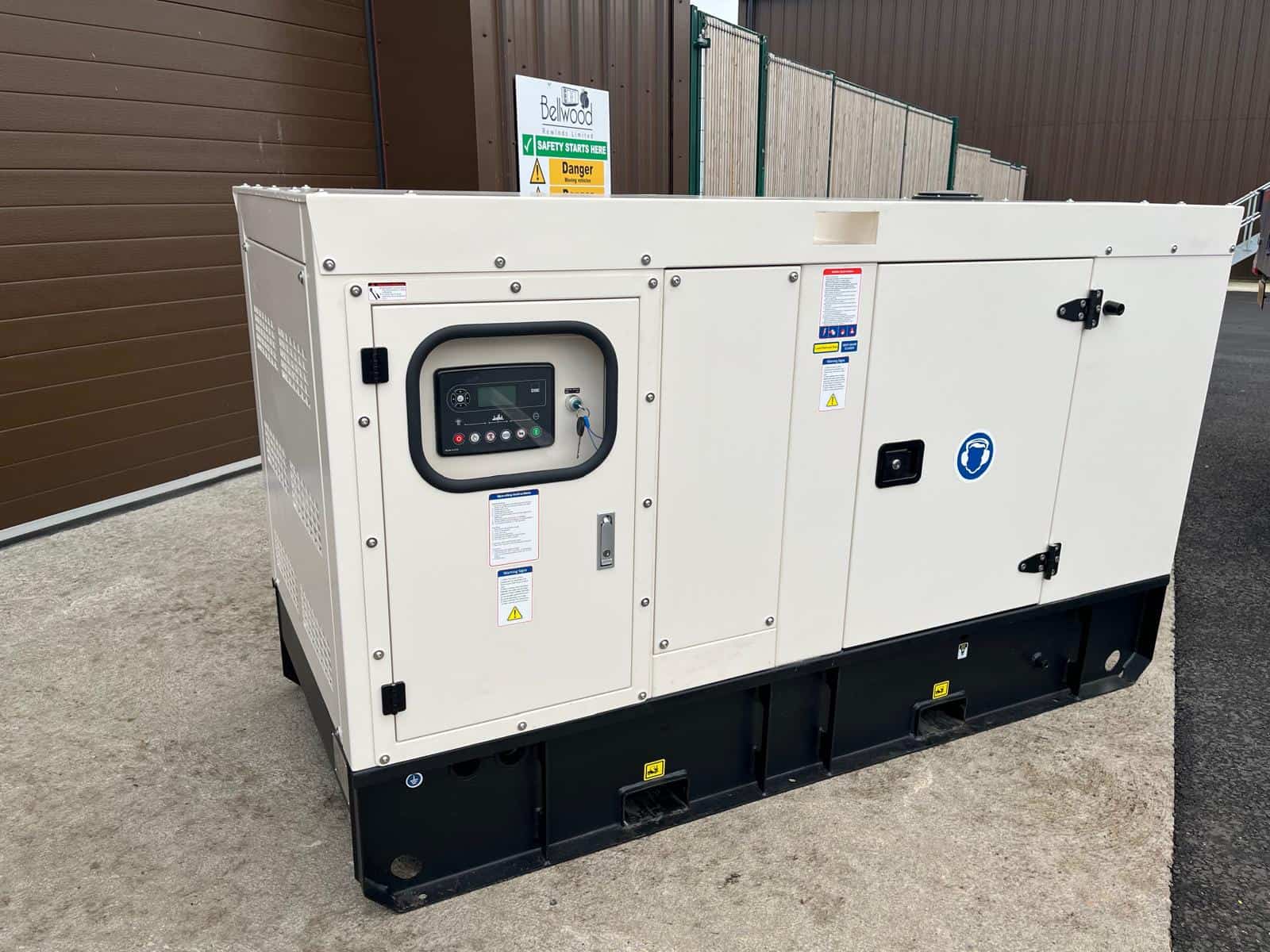
While the mechanical risks are visible, electrical risks are equally important. A PTO generator is capable of supplying substantial power, and incorrect connections can pose serious danger.
Before connecting any load, the generator must be correctly rated for the required output. Overloading a PTO generator does not just affect performance; it increases the risk of overheating and electrical failure.
We frequently remind customers that electrical distribution should be installed and inspected by competent professionals. Switchgear, cabling and connectors must all be rated for the load being supplied. Damaged cables or improvised connections create unnecessary hazard.
Guidance from the Health and Safety Executive highlights the importance of maintaining electrical systems to prevent danger. Applying that principle to PTO generator operation means regular inspection, proper earthing and safe connection procedures.
Earthing is one of the most overlooked aspects of PTO generator safety. Without correct earthing, the risk of electric shock increases significantly.
Depending on the installation setup, additional earthing arrangements may be required beyond the tractor and generator frame. Site-specific electrical design determines the safest approach.
We always encourage customers to confirm earthing arrangements before first use and after any modification. A properly earthed system protects both operators and connected equipment.
One common mistake is applying full load immediately after engaging the PTO. Gradual load application allows the generator to stabilise and reduces mechanical shock.
We advise engaging the PTO at the correct speed and ensuring the tractor’s engine is operating within its recommended RPM range before introducing load. Sudden load spikes can strain both the alternator and the tractor drivetrain.
Monitoring load balance is particularly important when supplying three phase power. Uneven distribution across phases can lead to overheating and instability, issues we often help customers diagnose and correct.
Understanding the electrical demand of your equipment in advance prevents accidental overload.


PTO generators rely on airflow and design cooling systems to manage heat. When positioned incorrectly or operated in confined spaces, cooling performance can be compromised.
Ensuring adequate ventilation around the generator prevents heat build-up. We have attended sites where PTO units were positioned too close to walls or obstructions, limiting airflow and increasing operating temperature.
High ambient temperatures during summer operation also require consideration. Extended runtime under heavy load should be monitored to ensure safe operating conditions.
Thermal stress is one of the most common causes of long-term alternator damage. Preventative attention reduces the likelihood of expensive repair.
Clear procedures should be followed whenever engaging or disengaging the PTO shaft. Sudden engagement at incorrect engine speeds can shock the system.
Before disengaging, load should be reduced and disconnected safely. Allowing the generator to run briefly without load before shutdown can help stabilise internal temperatures.
We recommend that operators are familiar with both the tractor manufacturer’s guidance and the generator’s operating instructions. Consistency in procedure reduces the chance of error.
Training is particularly important where multiple staff members may operate the equipment.
PTO generators are often used outdoors in unpredictable conditions. Rain, dust and agricultural debris can all affect performance and safety.
Protecting electrical connections from moisture is essential. Using appropriate weather-resistant connectors and keeping cables elevated where possible reduces risk.
Fuel handling for the tractor also requires attention. Although the generator itself does not have its own engine, the tractor does. Safe refuelling procedures and ventilation awareness remain part of overall safe operation.
In rural settings, bystanders may be present. Clear signage and physical separation of the operating area add another layer of safety.
Preventative inspection is central to safe PTO generator use. Before each operation, visual checks should include shaft guards, coupling integrity, cable condition and mounting stability.
Over time, vibration and environmental exposure can loosen bolts or degrade components. Identifying these issues early prevents larger failures.
At Bellwood Rewinds, we support customers with inspection, servicing and alternator assessment to ensure PTO generators remain reliable. Our experience with rewinds and repairs allows us to identify early warning signs of electrical stress before catastrophic failure occurs.
Regular maintenance is not only about performance; it is about reducing risk.
In fast-moving agricultural or site environments, there can be temptation to adapt equipment quickly to meet changing needs. Improvised electrical extensions, makeshift supports or altered guarding introduce serious hazard.
We strongly advise against modifying PTO generators without proper engineering assessment. Even seemingly minor changes can affect balance, vibration or electrical protection.
If operational requirements change, it is safer and often more cost-effective to seek professional advice rather than adapting equipment beyond its design.
Even with strong preventative measures, planning for unexpected events is important. Operators should know how to disengage the PTO quickly and safely if abnormal vibration, overheating or electrical fault occurs.
Access to emergency stop procedures and clear communication between team members improves response time. A calm and informed reaction reduces the risk of escalation.
We always encourage businesses to treat generator safety as part of their broader site safety planning rather than an isolated concern.
We work with farms, contractors and rural businesses throughout the UK who rely on PTO generators for resilience. Our role extends beyond supplying and repairing equipment. We provide guidance on safe installation, load management and long-term performance optimisation.
By combining mechanical understanding with electrical expertise, we help customers operate their PTO generators with confidence. Safety is not an afterthought; it is embedded in how we approach every project.
Three phase PTO generators are robust and practical solutions when handled correctly. With proper guarding, careful load management, secure positioning and regular inspection, they deliver dependable power without unnecessary risk.
Operating a PTO generator safely is about respecting the machinery, understanding its demands and maintaining it consistently. When those principles are followed, PTO systems become a reliable asset rather than a liability.
If you would like, I can now suggest external links that fit naturally within this article and strengthen its authority without overlinking.