



Electric motors are the workhorses of many industries, powering a wide range of machinery and equipment. From manufacturing plants to HVAC systems and transportation, electric motors play a critical role in keeping things running smoothly. However, like any mechanical component, electric motors can experience failures. Understanding the causes of these failures and knowing how to address them is essential for ensuring the reliability and efficiency of your operations. In this article from Bellwood Rewinds, we will delve into the common causes of electric motor failures and explore the solutions that can save you time and money.

Overheating
Overheating is one of the most prevalent issues leading to electric motor failures. Excessive heat can damage winding insulation, cause bearings to fail, and even lead to the warping of critical components. There are several reasons why an electric motor may overheat:
Solution: To prevent overheating, ensure that the motor is adequately ventilated and that the cooling system (e.g., fans or cooling fins) is functioning correctly. Regular maintenance, including cleaning and lubrication, is crucial to keep the motor operating within its temperature limits.
Electrical Faults
Electrical faults can result from a variety of issues, including voltage spikes, overloads, and short circuits. These faults can cause insulation breakdown and damage the motor windings.
Solution: Use surge protectors and voltage regulators to protect the motor from voltage spikes. Implement proper electrical controls and monitoring systems to prevent overloads and short circuits. Regularly inspect and test the motor’s insulation to detect early signs of breakdown.
Worn Bearings
Bearing failure is a common cause of electric motor breakdown. Over time, bearings can wear out due to continuous friction and heat. When bearings fail, they can cause excessive vibration and noise.
Solution: Regularly lubricate bearings as per the manufacturer’s recommendations. Inspect bearings for wear and replace them when necessary. Proper alignment of motor and equipment shafts can also extend bearing life.
Contaminants and Moisture
Dust, dirt, and moisture can infiltrate the motor enclosure, leading to corrosion and insulation damage. Contaminants can also accumulate on the motor’s windings, reducing heat dissipation and efficiency.
Solution: Keep the motor’s environment clean and dry. Use appropriate seals and enclosures to protect the motor from contaminants and moisture. Periodically inspect and clean the motor’s interior.
Imbalanced Voltage and Current
Imbalanced voltage and current can lead to uneven loading of the motor windings. This imbalance can cause overheating and insulation breakdown.
Solution: Monitor and maintain balanced voltage and current across all phases of the motor. Install phase monitors to detect and alert you to voltage imbalances.
Poor Lubrication
Inadequate lubrication can lead to increased friction and wear on moving parts within the motor, particularly the bearings.
Solution: Follow the manufacturer’s recommendations for lubrication intervals and use the correct lubricants. Regularly inspect and maintain the lubrication system.


To address electric motor failures effectively, it’s crucial to diagnose the underlying issues accurately. Here are some steps to help you diagnose motor problems:
Visual Inspection: Begin with a visual inspection of the motor and its surroundings. Look for signs of overheating, loose connections, and physical damage.
Listen for Unusual Sounds: Run the motor and listen for unusual noises such as grinding, clicking, or humming. Unusual sounds can indicate issues with bearings or other internal components.
Check for Vibration: Excessive vibration can point to misalignment, unbalanced loads, or worn bearings.
Temperature Measurement: Use a thermal imaging camera or temperature probe to check for hotspots on the motor’s surface. Hotspots can indicate overheating or electrical problems.
Electrical Testing: Measure voltage and current across all phases to identify imbalances. Use insulation resistance tests to check for insulation breakdown.
Bearing Inspection: If you suspect bearing issues, conduct a vibration analysis or perform a bearing condition assessment.
Consult Motor Data: Refer to the motor’s nameplate data for information on voltage, current, speed, and other specifications. Ensure that the motor is operating within its rated parameters.
Addressing electric motor failures often requires a combination of preventive maintenance and repair efforts. Here are some solutions to consider:
Preventative Maintenance
Preventative maintenance is the key to avoiding many common electric motor failures. Regularly scheduled maintenance can help identify potential issues before they lead to motor breakdown. Key maintenance tasks include:
Bearing Replacement
When bearings are worn or damaged, they should be promptly replaced to prevent further damage to the motor. Proper alignment and lubrication can extend the life of new bearings.
Rewinding
In some cases, motor windings may need to be rewound due to insulation breakdown or other issues. Rewinding involves removing the damaged windings and replacing them with new ones.
Balancing and Alignment
Balancing the motor’s rotor and ensuring proper alignment with connected equipment can reduce vibration and wear, prolonging the motor’s life.
Professional Repairs
For complex motor issues, it’s often best to seek professional repair services from experts like Bellwood Rewinds. These professionals have the knowledge, tools, and experience to diagnose and repair motor failures efficiently.
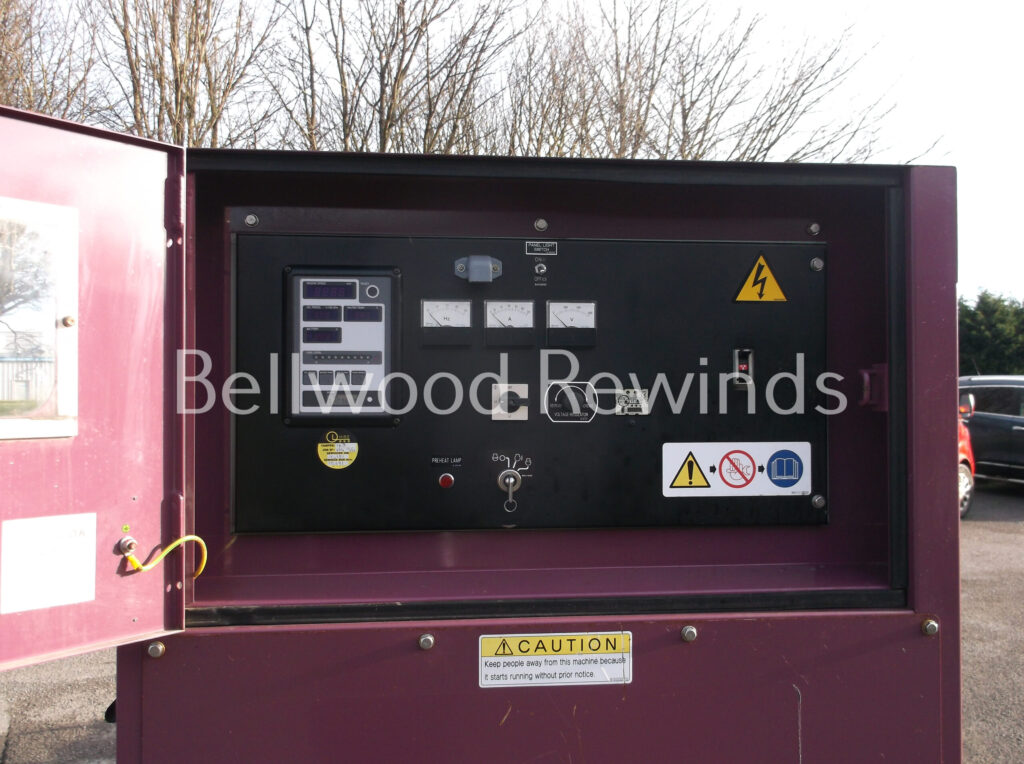
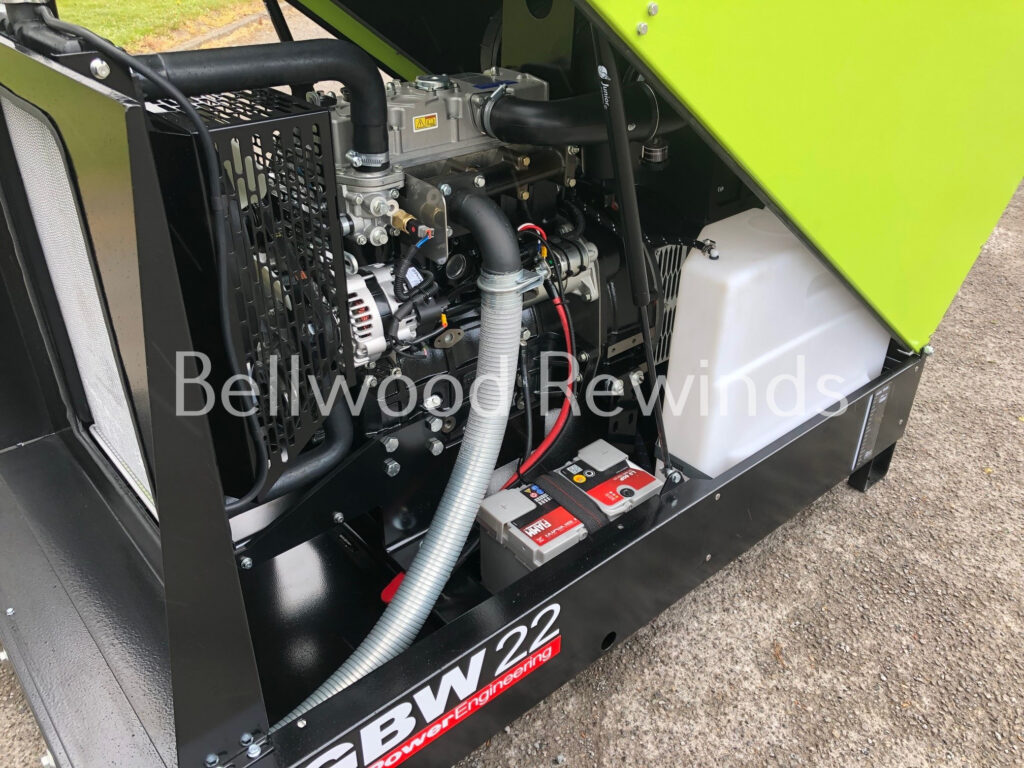
Bellwood Rewinds specialises in electric motor repairs and services. With decades of experience, their team of experts can diagnose and address a wide range of motor issues. Their services include:
Electric motor failures can disrupt operations, lead to costly downtime, and result in significant expenses. However, by understanding the common causes of motor failures and implementing preventative maintenance practices, you can significantly reduce the risk of breakdowns. When issues do arise, timely and accurate diagnosis, coupled with professional repair services from experts like Bellwood Rewinds, can get your motors back in operation quickly and efficiently. Don’t wait for a breakdown to take action; invest in motor health and reliability today.
Remember that regular maintenance and proactive troubleshooting are key to preventing costly electric motor failures. By staying vigilant and addressing issues promptly, you can keep your operations running smoothly and minimise downtime. If you require expert electric motor repair and maintenance services, consider partnering with Bellwood Rewinds for professional electric motor solutions.