
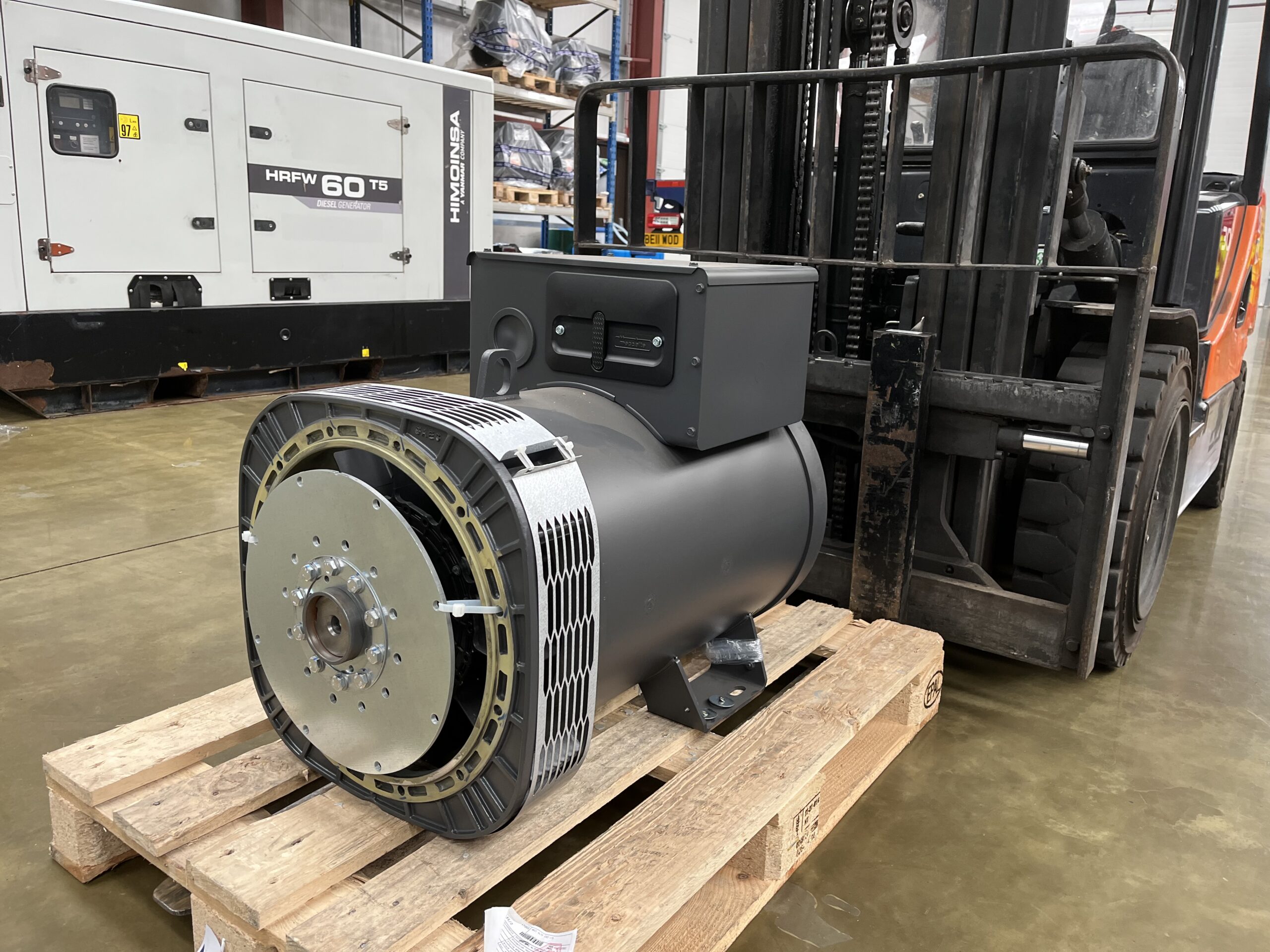
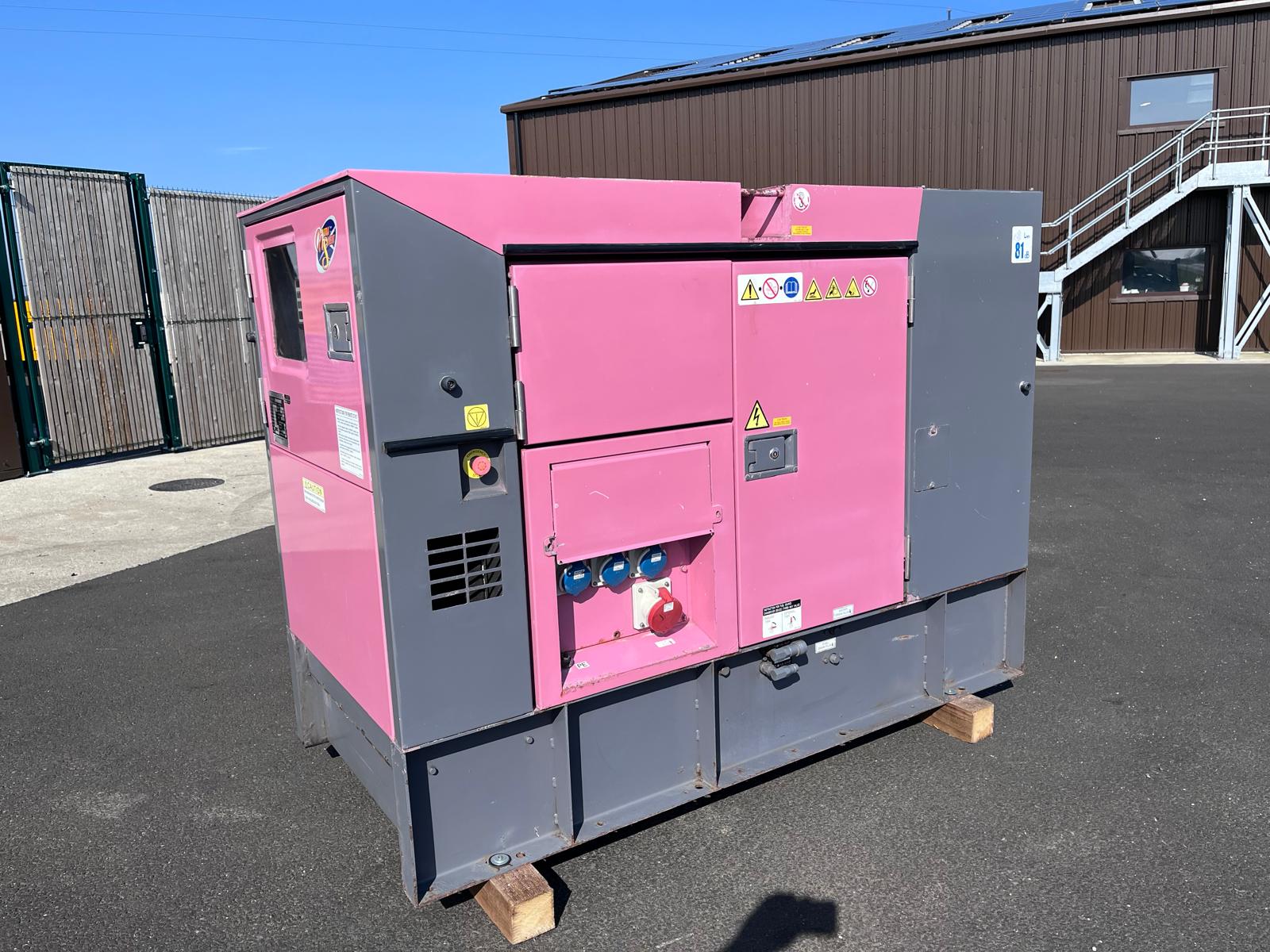
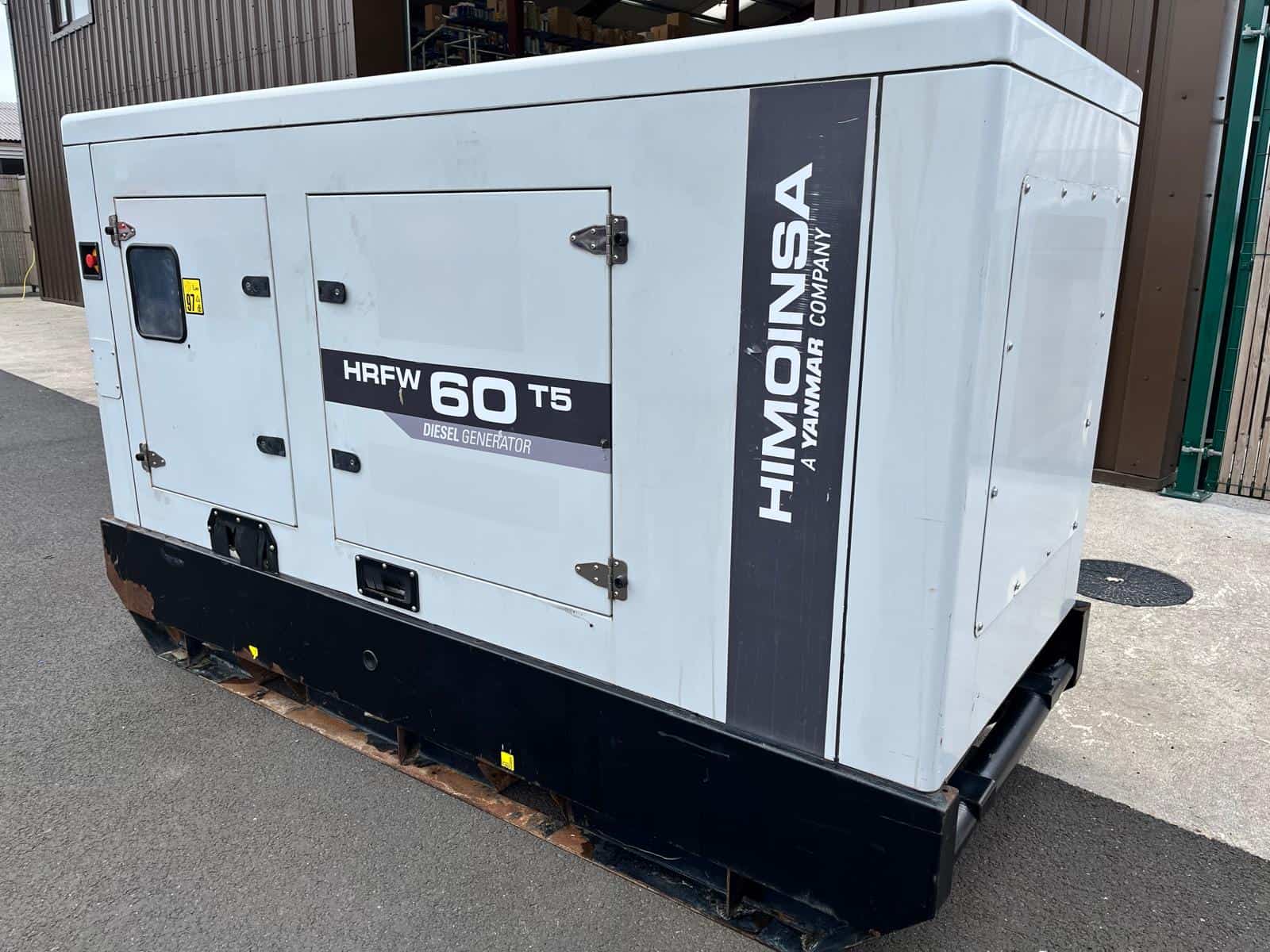


When it comes to purchasing a generator, making the right choice is essential to ensure it meets your specific needs, whether for backup power during outages, mobile businesses, events, or camping adventures. With the multitude of generator types and sizes available, it can be a daunting task to determine which one is the best fit for you. To help you make an informed decision, we’ve compiled the ultimate buyer’s guide highlighting the critical factors and parameters to consider when buying a generator.

Purpose
The first step in selecting a generator is to define its intended application. Are you looking for a generator to serve domestic purposes, such as providing backup power to your home, or industrial purposes, like powering a factory? Understanding the specific use case will significantly narrow down your options.
Power Output
To ensure your generator can handle the load you require, conducting a power analysis is crucial. Overloading a generator can lead to damage to both your appliances and the generator itself. Hence, it’s essential to choose a generator with the appropriate wattage. Keep in mind that many appliances experience a surge in power demand when starting, so your generator should have enough spare capacity to accommodate this.
Fuel Type
The choice of fuel type for your generator can impact both fuel costs and efficiency. You have options like diesel, LPG, and petrol generators, each with varying fuel efficiency and costs associated with them.
Type of Load
The type of load your generator will power also influences your selection. Will it be used for heavy-duty machinery or sensitive electronic devices? In cases involving delicate electronics, an inverter generator may be necessary to provide a higher-quality AC current and safeguard your electronic equipment.
Electrical Usage
For domestic use, there are different generator options available. Portable generators are suitable for running smaller appliances, such as drills, saws, and lighting. However, if you need to power your entire house, you may require a more potent generator with a power output ranging from 1 KW to 15 KW.
Alternatively, consider a whole-house or standby generator for residential applications. These generators can power all appliances in case of an outage, with power outputs ranging from 7 KW to several hundred KWs. They offer complete independence from the electrical grid, allowing you to continue using lights and appliances during power failures.
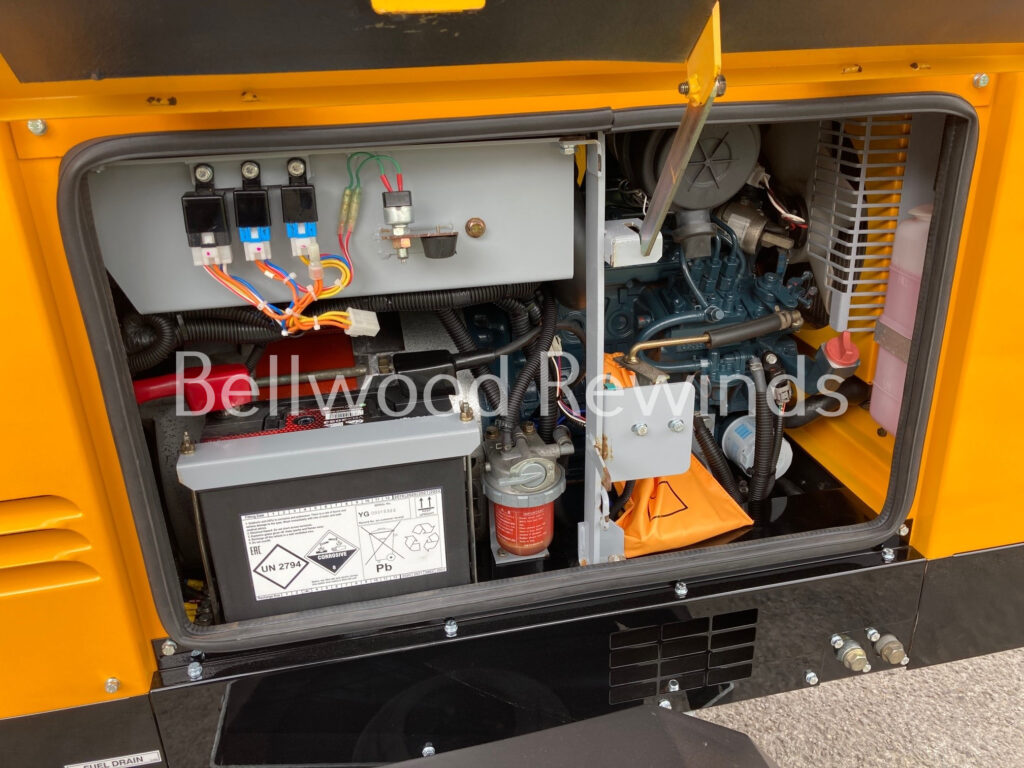

When installing a generator, it’s essential to consider a transfer switch. A manual transfer switch allows you to switch between utility power supplied by the grid and backup power with the push of a button. However, it requires manual intervention to locate and activate the switch during a blackout.
On the other hand, an automatic transfer switch (ATS) eliminates this step by sensing a power outage and swiftly switching to backup power. When utility power is restored, the ATS seamlessly transitions back to grid power, turning off the generator.
Determining the power needed to run your appliances is crucial. Each device’s power requirements can typically be found on its label or manual, measured in kVA. Keep in mind that some devices may require additional starting kVA, which can be calculated by multiplying the device’s watts by 3. When purchasing a generator, it’s essential to choose one with a KVA rating at least 20% greater than your estimated power needs. We stock a wide range of generators with varying kVA rating, some of our popular generators are 20 kVA, 30kVA, 40kVA and 100kVA.
For example, if your estimated power needs are 6000 watts, you should seek a generator with a KVA rating of at least 7200. Remember that these are approximate values, so checking the equipment label for precise power consumption is essential.
Once you’ve determined the power requirements in watts, you can select a generator that meets those specifications. Generators are typically rated in KVA or KWs. To convert watts to KWs, divide the total by 1000. To convert watts to KVA, first convert to KWs and then divide by 0.8, accounting for the power factor. Here are some examples of what industries we tend to find based on KVA:
Motorhomes
Caravans
Mobile catering
Motor sports
Lighting
Low power mains back up
Low power heating
Emergency service vehicles
Off grid homes
Power tools
Charging batteries
Motor sports
Lighting
Low power heating
Welfare cabins
Industrial units
Telecoms
Small marquees
Railway works
Road works
Light manufacturing facilities
Emergency services support
Off grid solar systems
Lighting
Industrial heating
Industrial Mains back up
Building sites
Industrial
Telecoms
Powering machinery
Cranes
Light manufacturing
Marquees
Music events
Fairground rides
Industrial heating
Industrial mains back up
Large domestic back up
Building
Industrial
Powering machinery
Cranes
Food manufacturing
Brewery’s
Bakery’s
Large marquees
Music festivals
Small medical facilities
Farming/ agriculture
Meat production
Dairy’s
Forestry
Fairgrounds
Military communication
Boats
Quarrying
Large industrial heating systems
Heavy industrial mains back up
Network distribution support
Food manufacturing
Brewery’s
Bakery’s
Farming/ agriculture
Data centres/ storage
Fairgrounds
Military support
Airports
Large music events
Motor sport
Boats/ ships
Meat production
Dairy’s
Government/ council buildings
Quarrying
Ports
Cable laying
Wind farms
Oil and gas
Heavy mains back up
Power network support
Large scale temporary power systems
Food manufacturing
Quarrying
Mining
Farming/ agriculture
Military
Hospitals
Ships
Fishing vessels
Motor sports
Large scale events
Data centres/ storage
Large medical centres
Rail upgrade projects
Temporary water pumping power
Shopping malls
Sports stadiums
Government buildings
Airports
Cable laying
Wind farms
Subsea projects
Oil and gas
It is important to remember that these are just estimates, and you should check the equipment label for actual power consumption.
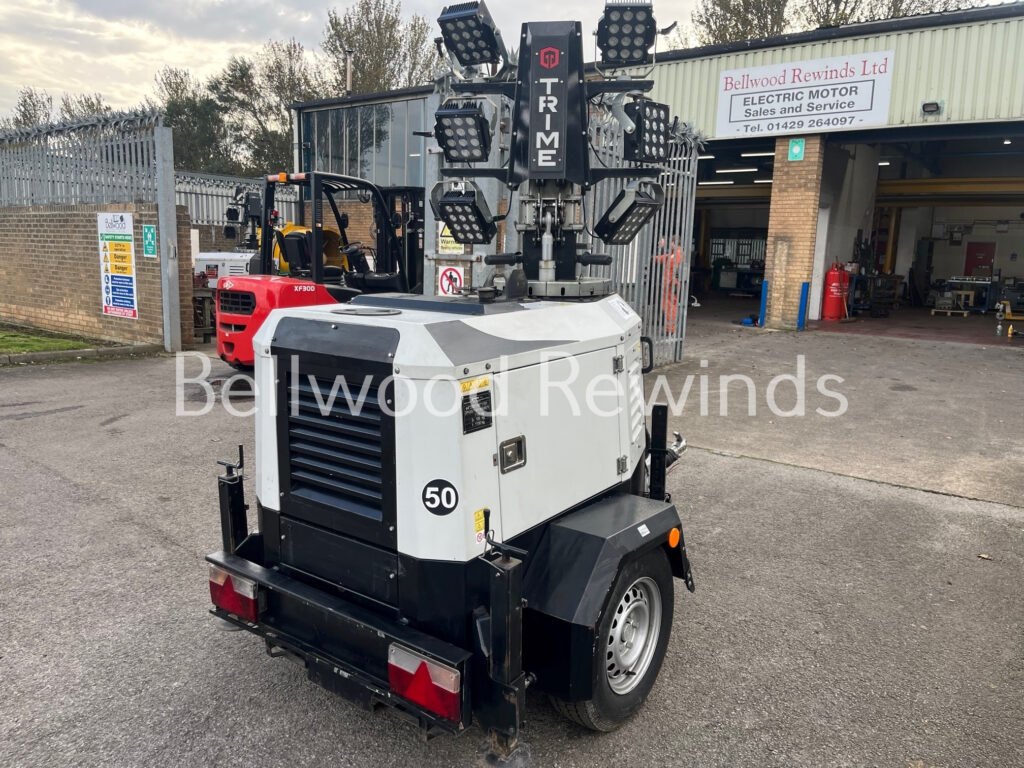
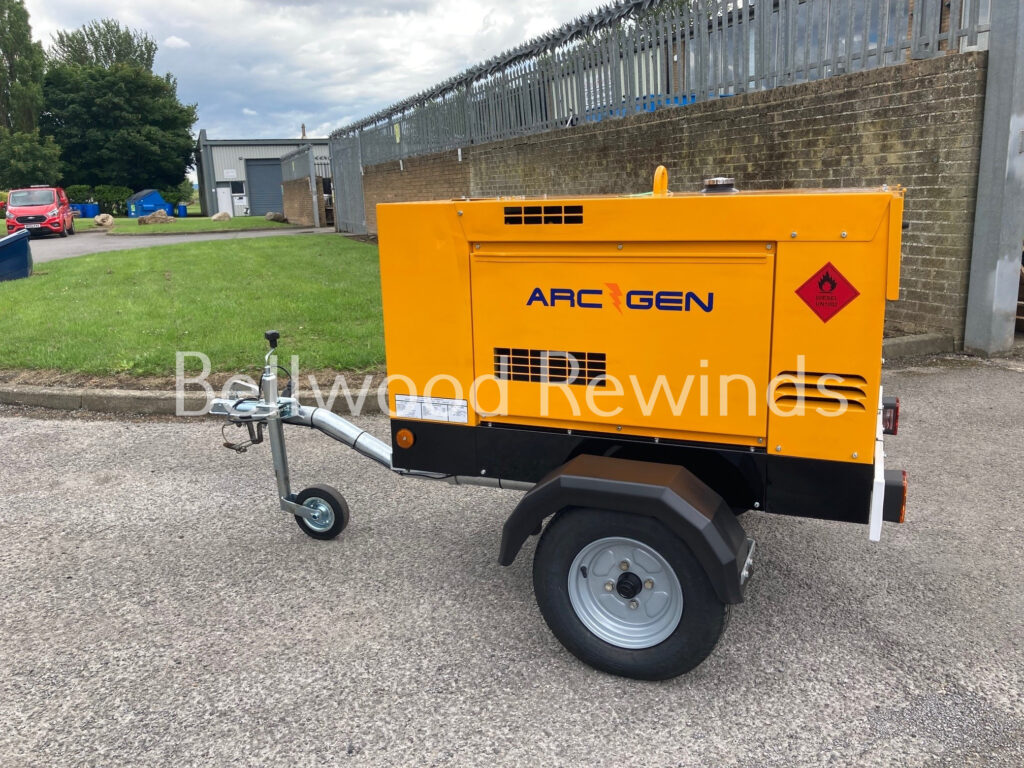
In the UK, popular generator brands like Honda, Hyundai, Pramac, and Linz are well-regarded for their quality. When selecting a generator, fuel type is another vital consideration. Here are the main options:
LPG Generators: These generators are powered by liquid propane or natural gas. They are popular for both portable and standby home generator use. LPG generators are cost-effective to operate and are considered more environmentally friendly.
Diesel Generators: Typically preferred for commercial applications due to their larger size and longer run times. Diesel generators are known for their fuel economy and are a cost-effective choice.
Petrol Generators: Suitable for domestic and commercial use, petrol generators have power outputs ranging from 1 KVA to 10 KVA. Petrol is widely available, but keep in mind that it can go bad if stored for extended periods.
Many individuals prefer quiet generators, which produce significantly less noise than traditional models. Silent generators have noise levels comparable to central air conditioning units, making them popular for camping, small businesses, large enterprises, and homeowners seeking a reliable backup power source with extended run times.
Generators can provide uninterrupted power for extended periods, even when the main power grid faces weeks of downtime. Investing in a generator can also ensure you stay informed during emergencies, allowing you to power televisions and charge laptops.
Bellwood Rewinds, a reputable generator supplier in the UK, offers durable generators for both domestic and commercial use. With a wide selection of top-quality generators from brands like Honda, Hyundai, Pramac, and Linz, we provide the perfect generator to meet your needs. Utilise our generator selector tool and first-time buyer’s tool for assistance in finding the ideal generator.
Our dedicated customer service team is ready to offer personalised consultations, providing the support you need. Our technical experts will collaborate with you to understand your specific requirements and guide you to the right product. Contact Bellwood Rewinds today to explore our extensive generator offerings and ensure your power needs are always met