



When a generator develops repeated faults, becomes unreliable or starts requiring more frequent repairs, it can be difficult to know whether to keep investing in the existing generator or replace it. The right decision depends on more than the immediate repair cost. Age, condition, parts availability, electrical demands, downtime risk and long-term operating costs all matter.
Bellwood Rewinds provides generator repair, servicing and replacement support for commercial and industrial generators across the UK. Our engineers can assess the condition of a unit, identify the cause of generator problems and help you understand whether a repair is likely to provide reliable operation or whether replacement would offer better long-term value.
This guide focuses specifically on the repair-or-replace decision. For customers seeking repair services, visit our generator repair page.
Generator repair can make sense when the fault is isolated, the main engine and alternator remain in good condition, and replacement components are readily available. Problems with batteries, fuel filters, sensors, starter systems, hoses, or other serviceable components may be economical to fix when the generator’s overall reliability remains.
A repair may be particularly sensible when:
The important question is whether the repair addresses a specific problem or simply postpones a larger failure.
Portable generators and larger industrial generator sets contain mechanical, fuel and electrical systems, so faults can develop in several areas. Common problems can include:
Difficulty starting, excessive smoke, overheating, fluid leaks and unstable power output can all indicate that further investigation is required. Testing helps determine whether the generator operates correctly and produces the correct output voltage under load.
Bellwood Rewinds provides generator repairs for faults that need professional diagnosis and repair.
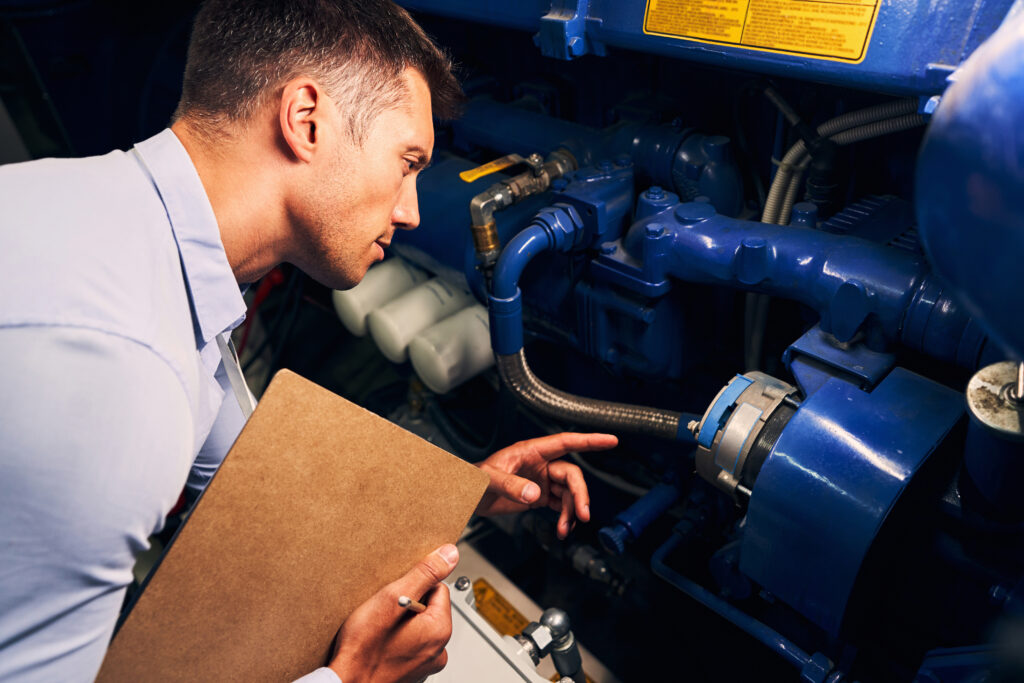
Routine maintenance has a major influence on the repair decision. A generator with regular servicing, documented oil changes, fuel filter and spark plug replacement where applicable, and appropriate testing may have a clearer remaining service life than a neglected unit with an unknown history. Manufacturer service intervals should always guide the work required.
A lack of maintenance can lead to multiple problems occurring together. Poor fuel quality, blocked filters, degraded oil and cooling issues can all place additional strain on the generator engine and electrical systems.
Our generator servicing team can help assess a generator’s condition and identify maintenance work that may improve reliability before replacement is considered.
The cheapest repair is not always the most economical decision. Businesses should consider the total cost of keeping the generator in service, including current repairs, expected future repairs, servicing, downtime and the risk of failure during a critical power outage.
If a repair is expensive relative to the generator’s value, or if the unit has already required repeated work, replacement may offer better long-term value. The exact threshold will vary by generator and application, so decisions should be based on condition and operational risk rather than a single percentage rule.
Our guide to generator maintenance costs explains the wider factors that influence servicing and repair expenditure.

Keeping to a consistent maintenance routine helps identify small issues before they develop into costly breakdowns. The timeline below provides a simple overview of how preventative generator maintenance should be approached throughout the year.
Repeated breakdowns are one of the clearest signs that replacement should be considered. If different faults are appearing regularly, repairing each issue individually can become expensive and still leave uncertainty about the next failure.
Reliability is especially important where a generator provides backup power for critical systems. A unit that starts inconsistently, overheats, produces unstable output or repeatedly stops working may create unacceptable operational risk even if individual faults can technically be repaired.
Parts availability can change as generators age. Replacement components for older or discontinued models may become harder to source, more expensive or slower to obtain. This can increase repair times and create longer periods of downtime.
Older generators may also lack modern monitoring, control or efficiency features. If the generator no longer meets the site’s electrical demands, replacing it can be an opportunity to specify a unit sized to current loads rather than continuing to maintain equipment selected for an older requirement.
Businesses change over time. New machinery, additional buildings, upgraded IT systems or changes to operating hours can increase the electrical load. An existing generator that was correctly sized years ago may no longer have sufficient power output for the site, particularly in industrial applications.
Running a generator close to maximum capacity for extended periods can increase stress and reduce the margin available for starting loads. Before investing in a major repair, check whether the generator still meets the current and expected future power requirements.
If a different size is required, our generator sizing guide can help you gather the information you need before selecting a replacement.
Replacement does not always mean purchasing a brand-new generator. A suitable used generator can provide a cost-effective alternative where the unit is correctly specified, inspected and appropriate for the intended application.
Bellwood Rewinds stocks used generators across a range of capacities. Buyers should compare age, running hours, condition, engine, alternator, service history and power rating when evaluating a used unit.
For customers replacing an older diesel unit, our diesel generators category provides a wider view of available stock.
When deciding whether to repair or replace a generator, compare the options across several areas:
A lower upfront repair cost may still be poor value if the generator is likely to fail again soon. Equally, replacing a reliable unit because of one repairable fault may create unnecessary expenditure.
The best decision is based on the condition of the whole generator rather than the cost of one component.
Some generator problems are easy to identify, while others require electrical testing, engine diagnostics or load testing. A professional assessment can determine whether the fault is isolated and repairable or indicative of broader wear.
Engineers may inspect the fuel system, filters, oil, cooling system, batteries, alternator, controls and electrical output. This helps create a clearer picture of the generator’s current condition before significant money is committed to repairs or replacement.
Bellwood Rewinds can provide technical support where you are unsure which route is more appropriate.
If you are deciding between generator repair or replacement, Bellwood Rewinds can assess the existing generator and help you compare the options. Our team can support diagnosis, generator repairs, servicing, and generator selection and replacement.
Contact us with the generator make, model, kVA rating, running hours and details of the fault. We can help you understand whether repairing the current unit or moving to a replacement is the more practical long-term solution.
It can be. Repair is often worthwhile when the fault is isolated, parts are available and the generator remains in otherwise good condition. Replacement becomes more attractive when breakdowns are frequent, repair costs are high or the generator no longer meets the site’s power requirements.
Common issues include fuel contamination, blocked fuel filters, battery problems, coolant or oil leaks, starter faults, overheating, control panel problems, and unstable electrical output. The exact fault should be diagnosed before repair work begins.
Repair costs depend on the fault, parts, labour, generator size, and accessibility. A minor component replacement may be relatively straightforward, while engine, alternator or major electrical repairs can be significantly more involved.
Generator lifespan varies widely depending on engine design, running hours, maintenance, load, and operating environment. A well-maintained generator can remain serviceable for many years, but age alone should not be used to decide whether replacement is necessary.
There is no fixed replacement interval for every generator. Replacement should be considered when reliability declines, parts become difficult to source, repair costs rise or the unit no longer meets the site’s electrical requirements.
Regular servicing can help identify developing issues before they lead to larger failures. Maintenance cannot prevent every breakdown, but keeping oil, filters, fuel, cooling systems and batteries in good condition supports more reliable operation.
Not automatically. An alternator failure can sometimes be repaired or the alternator replaced while the rest of the generator remains serviceable. The decision should consider the generator’s age, engine condition, repair cost and overall reliability.
Yes. A used generator can be a practical replacement where it is correctly sized and its condition, service history and specification have been assessed. It should still be evaluated against the site’s current power requirements.