



When you think about hospitals, you might picture rows of beds, busy wards, and teams of dedicated staff keeping everything running smoothly. But few people stop to consider what makes all this possible behind the scenes — and one of the biggest unsung heroes is the hospital generator. For hospitals across the UK and beyond, having a reliable backup power supply is not optional. It is a legal and ethical necessity because when the grid fails, lives are at stake. This is why the question of how big hospital generators are is more than just about physical size or kVA ratings. It is about how much power they deliver, how they are installed, and how they guarantee that vital equipment keeps working no matter what happens to the mains supply.
Hospital backup systems vary widely, but the core principle is the same everywhere: they must provide instant, reliable power to keep critical systems online. Anyone familiar with an SDMO generator will know that these units are designed with efficiency and reliability in mind. SDMO, which is now part of Kohler, is a trusted name for many commercial and industrial sites in the UK. While a single SDMO generator might not match the scale of a full hospital backup system, the technology and engineering approach give us an excellent example of how robust modern generator systems are built.
In a hospital, the backup system is never just a single unit. Instead, it usually involves multiple large diesel generators connected in parallel, each capable of delivering hundreds or even thousands of kilovolt-amperes of power. These sets are built to handle sudden load transfers without missing a beat. The difference between a well-maintained, efficiently sized generator and a poorly planned one can be life or death in a clinical setting. Hospitals take this responsibility seriously and so do the suppliers who design, install, and maintain their emergency power systems.
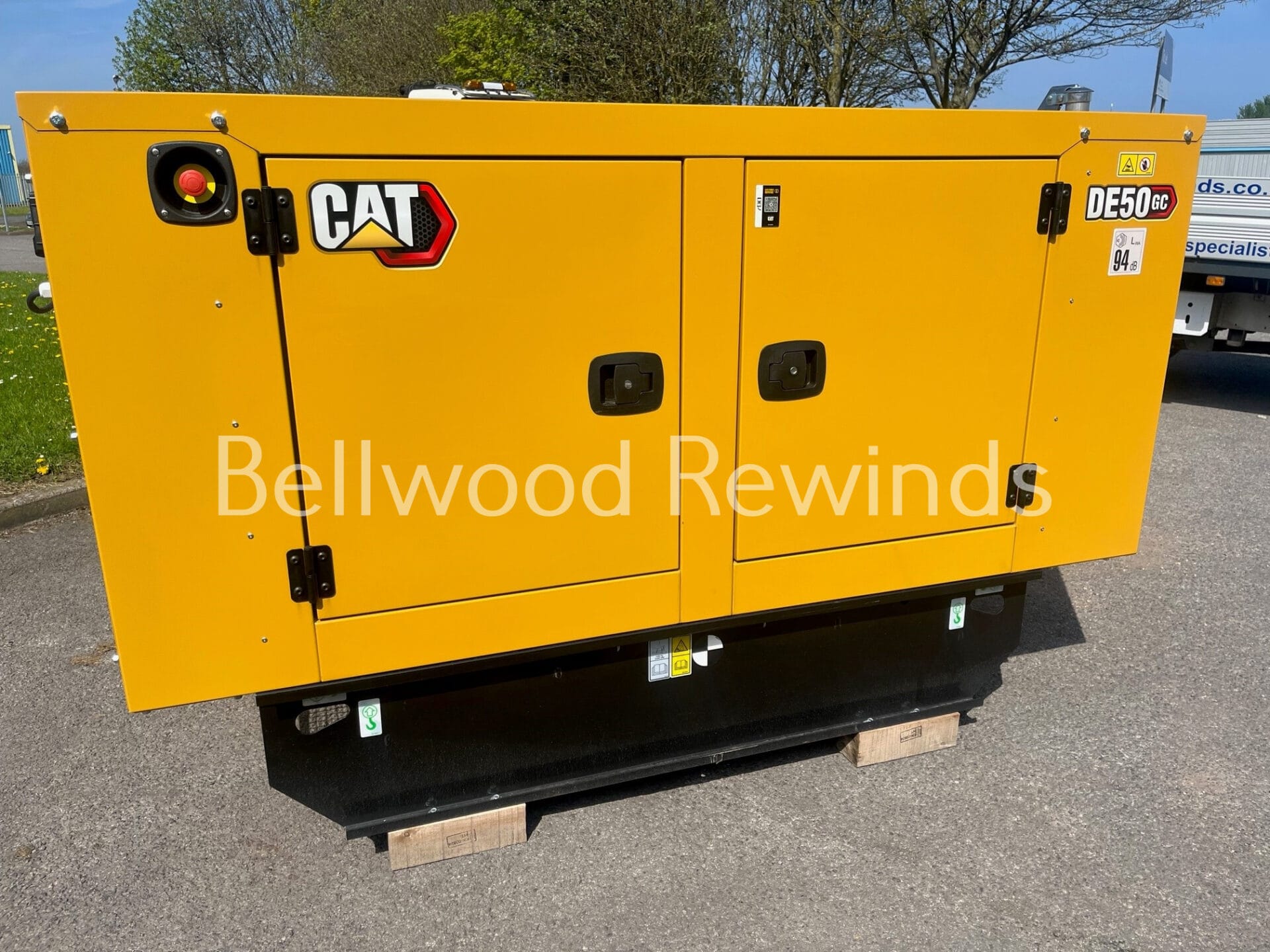
So, how big is a hospital generator in practical terms? The physical size of a hospital generator can be enormous compared to what you would find on a typical construction site or small business premises. A single unit might be the size of a large shipping container, and that is just the generator itself — not including the fuel tanks, exhaust systems, acoustic enclosures, or the switchgear that handles automatic transfer from mains to backup.
In terms of power output, large UK hospitals might rely on multiple generators with a combined capacity well over a megawatt. It is not uncommon for a major NHS hospital to have backup power systems rated at three megawatts or more, depending on the number of wards, theatres, labs, and intensive care units they need to cover. Smaller community hospitals might have systems rated in the hundreds of kilowatts, but the principle remains the same: the backup must meet or exceed the load required to keep critical services running.
This means that the footprint of a hospital’s generator installation is considerable. Many hospitals have a dedicated plant room or generator house, complete with ventilation systems to manage heat and exhaust. Some even have underground fuel tanks or rooftop setups to make the best use of available space, especially in urban areas where real estate is at a premium.
Understanding the scale of hospital generators also means knowing what they are responsible for when the lights go out. Unlike a domestic generator that might keep the fridge and a few lights on, hospital generators are expected to carry vital loads. These include life-support machines, emergency theatre lighting, ventilators, monitoring systems, IT networks, fire alarms, lifts, security systems, and sometimes even heating or air conditioning in critical areas.
Most hospitals use an electrical system that divides loads into essential and non-essential categories. Essential circuits have to come online immediately during a power cut. Non-essential loads may be powered down to conserve fuel or limit the demand on the generators. This means that while the full hospital may not operate exactly as normal during an outage, all patient-critical services remain fully functional.
This level of responsibility is why the capacity of hospital generators often seems so large. Even if the mains goes down for several hours or longer, these backup systems must keep working seamlessly until grid power is restored.
The scale of hospital generators is not just about their physical size or kVA output but also about redundancy — the ability to keep running even if one unit fails. Most hospitals will not rely on a single backup generator. Instead, they use multiple units connected in parallel. This means if one generator develops a fault or needs maintenance, the others can pick up the slack without compromising patient safety.
In the UK, hospitals are required to have robust contingency plans for power failures, which is why you will often see twin or even triple-redundant systems. In some cases, this includes an uninterruptible power supply (UPS) to cover the gap between mains failure and the generators reaching full capacity. The UPS handles the milliseconds it takes for a diesel generator to start up and stabilise. Without this layer, even a brief flicker in power could cause sensitive medical equipment to shut down or reset, putting patients at risk.
This layered approach explains why the combined footprint of a hospital’s power backup system can take up a huge amount of space. Generators, switchgear, UPS systems, and fuel tanks all have to be planned and maintained to the highest standards.
Another aspect of the question “how big are hospital generators” relates to fuel. A powerful diesel generator can burn through hundreds of litres of fuel every hour when operating near full load. For a major hospital, this means having large, secure fuel storage on site. The Health Technical Memoranda (HTM) guidelines, which set out best practice for NHS facilities, require hospitals to maintain enough fuel for at least six to eight hours of continuous running, with the ability to replenish supplies rapidly in an extended outage.
In practical terms, this means bulk diesel tanks, often bunded to prevent leaks and environmental damage, stored close to the generator house. Underground storage is common in larger sites, both to save space and to offer some protection from temperature fluctuations or accidental damage.
Proper fuel management is essential too. Diesel can degrade over time and, in the UK’s damp climate, water contamination and diesel bug are real risks. Hospitals usually have fuel maintenance plans in place, which can include regular sampling, fuel polishing and cleaning tanks to prevent problems that could bring even the biggest generator to a halt.


Today’s hospital generators are far more advanced than they were a few decades ago. Control systems now provide real-time monitoring, remote diagnostics, and automated testing schedules to ensure everything is ready when needed. Hospitals will typically run their generators under load at least once a month to ensure they can handle the demands of a real emergency.
Systems like those you might see in an SDMO generator are scaled up for hospital use, with more complex switchgear and intelligent load management. This means that as soon as the mains supply drops, the automatic transfer switches detect the failure and signal the generators to start up. Within seconds, the hospital’s essential circuits are supplied with clean, stable power.
Digital systems also help with efficiency. Modern generators can adjust output based on demand, which helps conserve fuel and reduce wear. This is particularly important in scenarios where the full load may fluctuate throughout an outage, depending on the time of day or which wards are most active.
Installing a hospital generator system is a major engineering project that involves electrical engineers, builders, and compliance experts. Hospitals cannot afford downtime, so new systems often have to be installed alongside existing backups, with seamless switchover to ensure there is no gap in coverage.
The physical installation may include vibration dampening to prevent noise and movement from affecting nearby wards, fireproofing, exhaust routing to ensure fumes are safely expelled, and acoustic insulation to keep generator noise within acceptable limits. Hospitals are subject to strict noise regulations, especially in built-up areas.
Once installed, maintenance is an ongoing commitment. NHS guidelines call for routine testing, inspection, and servicing of generators, switchgear, and fuel systems. In many hospitals, this is done under a planned maintenance contract with a trusted supplier. This ensures that any potential faults are caught before they can cause a real emergency to become a crisis.
As sustainability becomes more important across the healthcare sector, there is growing interest in cleaner fuels, hybrid systems, and alternative energy sources. Some hospitals are already experimenting with biofuels and combined heat and power (CHP) plants, which capture waste heat to improve overall energy efficiency.
Battery storage also plays a growing role. Large battery banks can work alongside traditional diesel generators, handling short-term outages and reducing the runtime needed for diesel units. This can save fuel, cut emissions, and reduce noise — all welcome benefits in a busy hospital environment.
Even so, diesel generators remain the backbone of most hospital backup systems because they are proven, reliable, and deliver the high power output needed in an emergency. Many suppliers, including brands like SDMO, are investing in making diesel sets more efficient and cleaner, with better filtration and advanced controls to cut emissions without compromising performance.
The question of how big hospital generators are has many answers. Physically, they can take up an entire room or even a dedicated building. In terms of power, they must deliver enough output to keep critical equipment running without interruption for hours or even days. They must be robust enough to handle sudden load transfers and reliable enough to fire up instantly, every time they are needed.
For any hospital, the size of its generator system is ultimately about responsibility. It is about ensuring that when the mains power fails — whether due to a local fault, extreme weather or wider grid problems — patients stay safe, operations continue and vital equipment does not miss a beat. It is also about planning for the future, with systems that can grow and adapt as new technologies become available.
Behind the scenes of every hospital is an army of engineers, planners and suppliers who make this possible. Whether you rely on a proven SDMO generator for part of your solution or a large multi-unit installation with complex switchgear, the principles remain the same. Choose the right size, keep it maintained, and have a plan for when the lights go out. Because in a hospital, a generator is never just a backup. It is a lifeline. Contact the team at Bellwood Rewinds today to find out more.