



Understanding the type of electrical power supply in your home or business is essential for ensuring that your appliances and equipment function correctly and safely. In the UK, most residential properties and many small businesses use single-phase power, which is sufficient for typical everyday needs. However, knowing whether you have single-phase power or another type of electrical supply, such as three-phase power, can sometimes be confusing. This guide will help you identify whether you have single-phase power, explain the differences between single-phase and other power types, and discuss the implications for your electrical needs, including considerations when using generators.
Single-phase power is the most common type of electrical supply used in residential properties in the UK. It delivers power through a single alternating current (AC) waveform, providing a steady and continuous flow of electricity to your appliances. This type of power is typically used for homes, small businesses, and light commercial settings where the power demand is relatively low. In a single-phase system, the electricity flows through two wires: one live (or active) wire that carries the current to the property and one neutral wire that completes the circuit. The voltage between these wires is usually 230 volts in the UK, which is suitable for powering household appliances, lighting, heating, and other common electrical equipment. This straightforward configuration is ideal for environments where high levels of power are not required.
The main difference between single-phase and three-phase power lies in the way electricity is delivered. While single-phase power uses one alternating current, three-phase power uses three alternating currents that are out of phase with each other. This setup provides a more constant and reliable flow of power, making it more suitable for high-demand applications such as industrial machinery, large commercial buildings, and heavy-duty equipment. Three-phase power systems use three live wires and one neutral wire, allowing for a higher and more balanced power output. This is why three-phase power is often found in factories, workshops, and other environments where large motors, pumps, and other equipment require a consistent power supply. For most homes and small businesses, three-phase power is not necessary, and single-phase power is more than adequate. However, if your property has unusually high power demands, such as running large air conditioning units, heat pumps, or multiple high-powered appliances simultaneously, you may require three-phase power. Understanding your power needs and the type of supply available is crucial for ensuring the safe and efficient operation of your electrical systems.
Determining whether you have single-phase power in your property can be done in several ways. One of the simplest methods is to check your electricity meter. Single-phase meters usually have two wires running into them, while three-phase meters will have four wires. If you see only two wires, you are most likely using single-phase power. Another way to identify your power supply is to look at the main circuit breaker panel in your home or business. In a single-phase system, you will generally find a single breaker switch, typically rated at around 100 amps. In contrast, three-phase systems will have three switches or a breaker with three distinct poles, indicating the three separate currents. You can also check your electricity bill or contact your energy provider for information about your power supply type. Utility companies can usually provide this information quickly and accurately, giving you peace of mind that you understand the type of power available in your property. If you are still unsure, consulting a qualified electrician is always a good option. An electrician can assess your electrical setup, identify the type of power supply you have, and advise on any changes or upgrades that may be necessary to meet your specific needs.

Single-phase power is most commonly used in residential properties, small shops, and light commercial environments. It is perfectly suited for powering everyday household appliances such as refrigerators, washing machines, televisions, lighting, and heating systems. Most modern homes are designed with single-phase power in mind, and the vast majority of domestic appliances are compatible with this type of supply. Small businesses also often rely on single-phase power, particularly those operating in retail, hospitality, and service industries. For example, small cafes, shops, and offices typically do not require the high power demands of three-phase electricity and can function efficiently using single-phase power. This type of supply is also suitable for running smaller tools and equipment in workshops, home-based businesses, and other light commercial applications. Single-phase power is also sufficient for outdoor events, caravans, and temporary setups, where portability and ease of connection are essential. In these situations, single-phase generators can provide reliable power to keep equipment running smoothly, ensuring that events go off without a hitch.
If you have single-phase power, it is important to ensure that all your appliances and equipment are compatible with this type of supply. Most household appliances are designed for single-phase power and will work without any issues. However, some larger appliances, such as high-capacity electric heaters, air conditioning units, or commercial kitchen equipment, may require a higher power input, making them unsuitable for single-phase systems. In such cases, you may need to consider upgrading your power supply or finding alternative appliances that can operate efficiently on single-phase power. If upgrading to three-phase power is necessary, it is essential to consult with a qualified electrician and your energy provider to determine the feasibility and costs involved. For those using tools and equipment in a business or workshop setting, checking the power requirements is crucial. Many professional-grade tools are available in versions compatible with single-phase power, allowing you to run a functional and efficient workspace without the need for a three-phase supply.
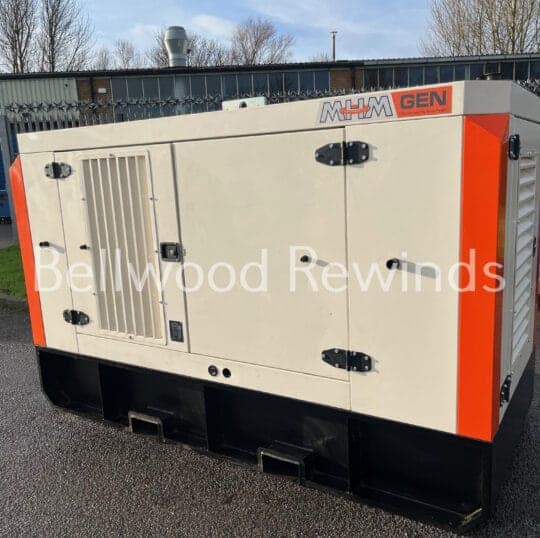
When power outages occur, or when you need an off-grid power solution, generators are an invaluable resource. Single-phase generators are a popular choice for homes, small businesses, and outdoor activities because they are designed to match the typical power needs of these environments. At Bellwood Rewinds, we offer a range of single-phase generators that provide reliable, efficient power in a variety of settings. These generators are easy to use, portable, and often more affordable than their three-phase counterparts, making them ideal for those who need a backup power source. Whether you need a generator to keep essential appliances running during a power cut or require portable power for outdoor events, a single-phase generator is a versatile solution. Single-phase generators are particularly useful for emergencies, as they can quickly supply power to critical systems such as lighting, heating, and communication devices. In businesses, they help prevent downtime and keep operations running smoothly when the main power supply is disrupted. Choosing the right generator involves understanding your power requirements and selecting a model that delivers the appropriate output without compromising on performance.


While single-phase power is sufficient for most residential and light commercial uses, there are circumstances where upgrading to three-phase power might be necessary. If you find that your electrical demand is consistently high, or if you are frequently tripping circuit breakers, it may be a sign that your current supply is inadequate for your needs. Businesses that use large machinery, commercial kitchen appliances, or heavy-duty air conditioning units may find that three-phase power offers the stability and capacity required to operate efficiently. Additionally, expanding your home or business with new rooms, extensions, or high-powered equipment may necessitate a power upgrade. Upgrading to three-phase power can be a complex and costly process, involving significant changes to your electrical infrastructure. It is important to consult with a qualified electrician to assess your current setup and determine whether the upgrade is necessary. An electrician can also provide guidance on the best approach, ensuring that any changes are safe, compliant with regulations, and appropriate for your future needs.
While single-phase power is sufficient for most everyday applications, it is important to understand its limitations, especially if you are considering expanding your power usage. One of the primary limitations of single-phase power is its inability to handle very high power loads efficiently. Because it uses only one alternating current, the voltage and current flow are not as smooth or balanced as in a three-phase system. This can result in less efficient power delivery, especially when running large appliances or heavy machinery that require more consistent energy. Another limitation is voltage drop, which can occur when power is transmitted over long distances or when the demand on the system is particularly high. This drop in voltage can lead to poor performance of sensitive electronics and other devices, particularly those that require a steady voltage supply. In a residential setting, this might manifest as flickering lights or appliances that do not operate at full capacity, especially during times of high electrical demand. For businesses, especially those that rely on equipment with motors, compressors, or pumps, single-phase power may struggle to deliver the necessary performance. Equipment designed for three-phase power, when forced to operate on single-phase, may experience increased wear and tear, reduced efficiency, and higher operational costs. If you regularly find that your equipment is underperforming, this could be a clear indication that the limitations of single-phase power are affecting your operations, prompting consideration of an upgrade to meet your needs more effectively.
Safety is always a top priority when dealing with any electrical system, and single-phase power is no exception. While generally safe and reliable for home and light commercial use, it is crucial to ensure that your single-phase electrical setup is properly maintained and regularly inspected by a qualified electrician. This is especially important in older properties, where outdated wiring and components may not meet current safety standards, increasing the risk of electrical faults. One common issue with single-phase power is the risk of overloading circuits. Since single-phase systems have a lower capacity compared to three-phase systems, they are more susceptible to being overwhelmed if too many high-demand appliances are used simultaneously. Overloading can lead to circuit breakers tripping, electrical fires, or damage to appliances. Ensuring that your circuit breakers and wiring are rated appropriately for your power usage is a key step in maintaining a safe electrical environment. Another safety consideration is the proper use of extension cords and plug adapters. It is common for homes and small businesses to rely on these tools to accommodate additional appliances, but misuse can pose significant safety risks. Overloading extension cords or using damaged or low-quality adapters can lead to overheating and potential fire hazards. It is always best to have sufficient fixed outlets installed by a professional and to avoid relying heavily on temporary solutions that can compromise safety. Regular maintenance of your electrical system, including checking outlets, wiring, and circuit breakers, can help prevent potential hazards. Additionally, ensuring that any electrical work is carried out by qualified professionals is essential. Attempting DIY electrical repairs or installations can be dangerous and is not recommended. Adhering to these safety guidelines helps maintain the integrity of your single-phase system, providing peace of mind that your power supply remains safe and reliable.
As the world moves towards more energy-efficient and sustainable power solutions, single-phase power continues to play a vital role, particularly in residential and small business settings. Technological advancements are constantly being made to improve the efficiency of single-phase systems, with innovations in smart home technology, energy-saving appliances, and renewable energy integration enhancing the way we use electricity. One of the key trends is the integration of renewable energy sources, such as solar panels, into single-phase power systems. Homes equipped with solar panels can generate their own electricity, reducing reliance on the grid and lowering energy costs. Single-phase inverters convert the DC power generated by solar panels into AC power, making it usable for everyday appliances. This not only improves energy efficiency but also supports the broader shift towards sustainable living. Smart technology is also transforming the way we interact with our single-phase power systems. Smart meters, home automation, and energy management systems allow users to monitor and control their electricity usage in real-time, identifying opportunities to save energy and reduce costs. These technologies can help balance power demand, prevent overloading, and improve overall efficiency, making single-phase power more adaptable to modern energy needs. In the future, the continued development of more energy-efficient appliances and systems will further enhance the viability of single-phase power for most households and businesses. As more focus is placed on sustainability, it is likely that single-phase systems will incorporate even greater efficiencies, helping to reduce environmental impact and align with the UK’s broader energy goals. Whether through smart technology, renewable integration, or improved appliance design, single-phase power is set to remain a crucial element of our electrical landscape, evolving to meet the demands of a changing world.

Understanding whether you have single-phase power is essential for managing your electrical needs effectively. Single-phase power is the standard supply for most homes and small businesses in the UK, providing a reliable and efficient source of electricity for everyday use. By identifying your power type and ensuring your appliances and equipment are compatible, you can avoid potential issues and make informed decisions about any upgrades or additional power solutions, such as generators. At Bellwood Rewinds, we are dedicated to helping you find the right power solutions for your home or business. Whether you need advice on single-phase power, require a reliable generator, or are considering an upgrade to three-phase power, our experienced team is here to assist you. Understanding your power supply is the first step in ensuring a safe and efficient electrical setup, tailored to meet your specific needs. Get in touch with our team of experts today.