



Three phase generators are designed to deliver stable, consistent power across demanding commercial and industrial environments. When everything is correctly balanced, they provide smooth energy distribution, improved efficiency and reduced mechanical strain. However, when load imbalance creeps in, performance begins to suffer. At Bellwood Rewinds, we regularly see the hidden damage that uneven loading can cause, and in many cases businesses are unaware of the issue until faults begin to appear.
Load imbalance is not always dramatic or obvious. It often develops gradually as equipment is added, production lines evolve or distribution systems change. Understanding how imbalance affects generator performance allows you to protect your investment and avoid unnecessary downtime.
In a perfectly balanced three phase system, electrical load is distributed evenly across all three phases. This symmetry allows the generator’s alternator to operate smoothly, with each phase carrying equal current. When one phase carries more load than the others, imbalance occurs.
In real-world commercial settings, imbalance often happens because equipment is not evenly distributed. Additional machinery may be connected to one phase, or single phase loads may accumulate over time without reassessment. As businesses grow, electrical distribution panels are modified and expanded, sometimes without a full review of phase allocation.
We frequently attend sites where production expansion has taken place over several years. Each new installation made sense at the time, but collectively the load pattern has drifted away from balance. The generator, originally sized correctly, is now operating under uneven stress.
When load imbalance increases, the generator’s alternator must compensate. The most immediate effect is uneven current flow, which causes overheating in stator windings. Heat is one of the most destructive forces inside any generator, and prolonged exposure accelerates insulation breakdown.
Voltage regulation can also suffer. Automatic voltage regulators attempt to stabilise output, but persistent imbalance makes their job more difficult. This can lead to fluctuating voltage levels on the most heavily loaded phase, which in turn affects connected equipment.
We have seen cases where businesses blamed machinery faults or production inconsistencies on mechanical issues, when in fact the root cause was voltage variation stemming from load imbalance. Once the load distribution was corrected, stability returned.
Another performance issue is reduced efficiency. A generator running under imbalanced conditions consumes fuel less efficiently and experiences increased vibration. Over time, this translates into higher operating costs and premature wear.

One of the most overlooked consequences of load imbalance is mechanical stress within the rotating assembly. Uneven electrical loading results in uneven magnetic forces inside the alternator. These forces can create subtle vibration patterns that place strain on bearings and couplings.
At Bellwood Rewinds, part of what we do involves detailed inspection of alternators and rotating equipment. We regularly identify wear patterns that align with prolonged imbalance rather than simple age-related deterioration. When left unresolved, imbalance contributes to shortened component lifespan.
The issue becomes more pronounced in larger three phase generators supplying heavy industrial loads. The greater the output, the greater the internal forces. What may seem like a minor imbalance at lower capacity can become a significant reliability risk at higher outputs.
In our experience, load imbalance rarely appears in brand-new installations. It tends to develop as businesses expand. New lighting circuits, additional single phase machinery, temporary site cabins or IT upgrades are often connected without revisiting the original phase layout.
As we support customers across the UK, we often begin with a site review that includes load assessment. Many businesses are surprised to discover that one phase is consistently carrying significantly more current than the others. The generator may still be running, but it is doing so under unnecessary stress.
When companies scale up production or extend operating hours, imbalance becomes more visible. Increased runtime amplifies the negative effects. What once caused minor inefficiency now becomes a reliability concern.
You do not need specialist instruments to suspect imbalance. There are operational clues that often point towards uneven loading.
One common sign is overheating alarms or repeated high-temperature readings, particularly during periods of heavy usage. Another is persistent voltage fluctuation on certain circuits while others appear stable.
We also see increased frequency of breaker trips on specific phases, particularly when equipment starts up. This often indicates one phase is nearing capacity while the others remain underutilised.
Unusual vibration or bearing wear during servicing can also signal imbalance. When we dismantle and inspect alternators, evidence of uneven thermal stress is sometimes clear long before complete failure occurs.

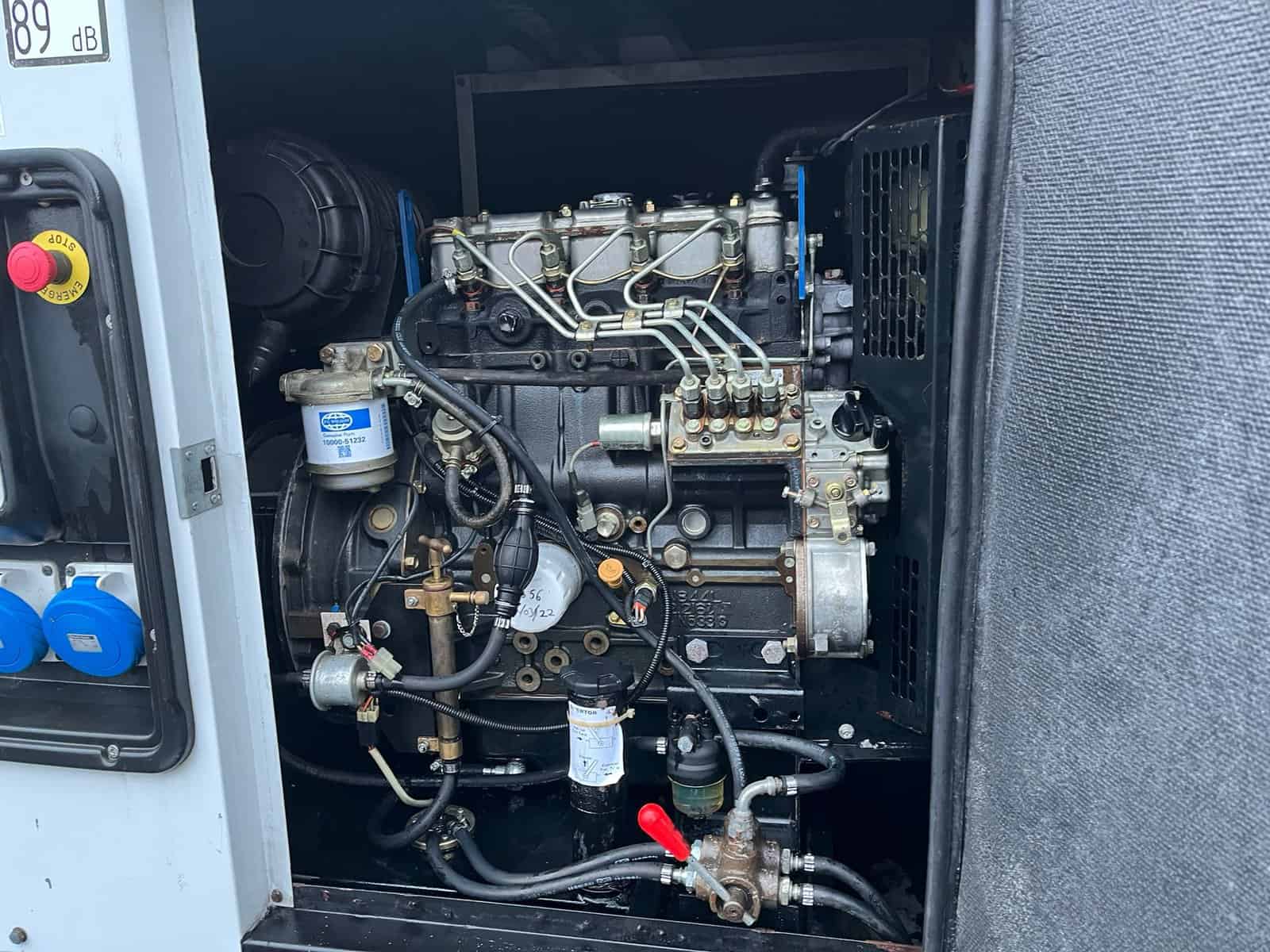
Imbalance does not just affect reliability; it affects cost. A generator operating unevenly works harder to maintain output stability. This inefficiency increases fuel consumption and raises operating expenses.
Businesses often monitor fuel usage closely, particularly where diesel generators are relied upon for extended periods. If fuel consumption has increased without an obvious mechanical fault, imbalance may be contributing.
We regularly conduct performance reviews where customers initially suspect engine inefficiency, only to find that correcting load distribution improves fuel performance. Addressing imbalance can therefore provide both operational and financial benefits.
Electrical systems must be maintained to safe operating standards. Although imbalance itself is not always immediately dangerous, prolonged uneven loading increases heat and stress, which can compromise safety.
Guidance on electrical safety and safe system management is available through the Health and Safety Executive, which emphasises the importance of maintaining electrical installations in a condition that prevents danger. Incorporating routine load analysis into generator servicing supports this wider safety objective.
For businesses operating in regulated environments or supplying critical infrastructure, demonstrating that power systems are correctly balanced can form part of broader compliance responsibilities.
At Bellwood Rewinds, we approach load imbalance methodically. Our process begins with on-site current measurements across all three phases during typical operating conditions. This allows us to establish whether imbalance exceeds acceptable thresholds.
We also review distribution boards and recent electrical additions to understand how load has evolved. In many cases, simple redistribution of circuits resolves the issue. In others, more structured electrical reconfiguration is required.
Where imbalance has already caused wear, we carry out alternator inspection and, if necessary, repair. Our experience with generator rewinds and alternator refurbishment allows us to identify insulation stress and thermal damage that may not yet be visible externally.
The goal is not only to correct the immediate imbalance but to ensure long-term stability.
The earlier imbalance is addressed, the simpler the solution tends to be. Redistribution of single phase loads across the three phases is often sufficient. In more complex sites, installation of additional distribution capacity or load management systems may be required.
In situations where businesses have significantly expanded output, we sometimes advise reassessing generator sizing altogether. If overall demand has grown substantially, a larger three phase generator may be necessary to provide adequate headroom.
We always tailor recommendations to the operational profile of the business. Some sites require continuous heavy load capability, while others operate in shorter peak windows. Understanding usage patterns is essential.
Three phase generators are inherently robust, but they are not immune to operational change. As your business evolves, so does your electrical footprint.
We often explain to customers that installing a generator is not a one-time event. Ongoing review of load distribution is part of responsible asset management. What worked five years ago may not reflect your current setup.
By combining regular servicing with load analysis, businesses can protect generator performance and extend equipment lifespan. In our work supporting industrial and commercial customers, proactive assessment consistently proves more cost-effective than reactive repair.
A three phase generator represents a significant investment. Protecting that investment means ensuring it operates within its intended design parameters.
Load imbalance may not cause immediate shutdown, but it erodes reliability over time. Increased heat, vibration and voltage instability all contribute to gradual degradation.
At Bellwood Rewinds, our role goes beyond emergency repairs. We support customers with preventative strategies that maintain performance and reduce long-term costs. Addressing imbalance is one of the most practical and impactful steps a business can take to safeguard its power infrastructure.
Load imbalance is rarely dramatic at first. It builds quietly as operations expand and electrical systems evolve. Yet its impact on three phase generator performance can be significant, affecting efficiency, reliability and component lifespan.
By recognising the warning signs and engaging experienced professionals to assess your system, you can correct imbalance before it leads to failure. We work closely with businesses across the UK to diagnose, repair and optimise three phase generators so they deliver the stable, efficient power that modern operations demand.