



When you buy a diesel generator, you are often buying a piece of machinery that will stand the test of time and provide you with backup power whenever you need it. However, to keep your generator running at its best and to avoid frequent generator repairs, you may need to do a little maintenance work to keep the generator running at its best for as long as possible.
There is research to support that low sulphur diesel can help prevent microbes from growing within the diesel engine that can over time affect the performance of the generator. Using low sulphur fuel can help prevent this, as can testing the fuel every 6 months or each time you add new fuel. You can treat the fuel with biocides each time new fuel is added. If you test your generator and find that there are microbes in there, you can get it treated and remove them. It is best to test them regularly to stop them from reaching the inside of the engine.

Replacement Parts
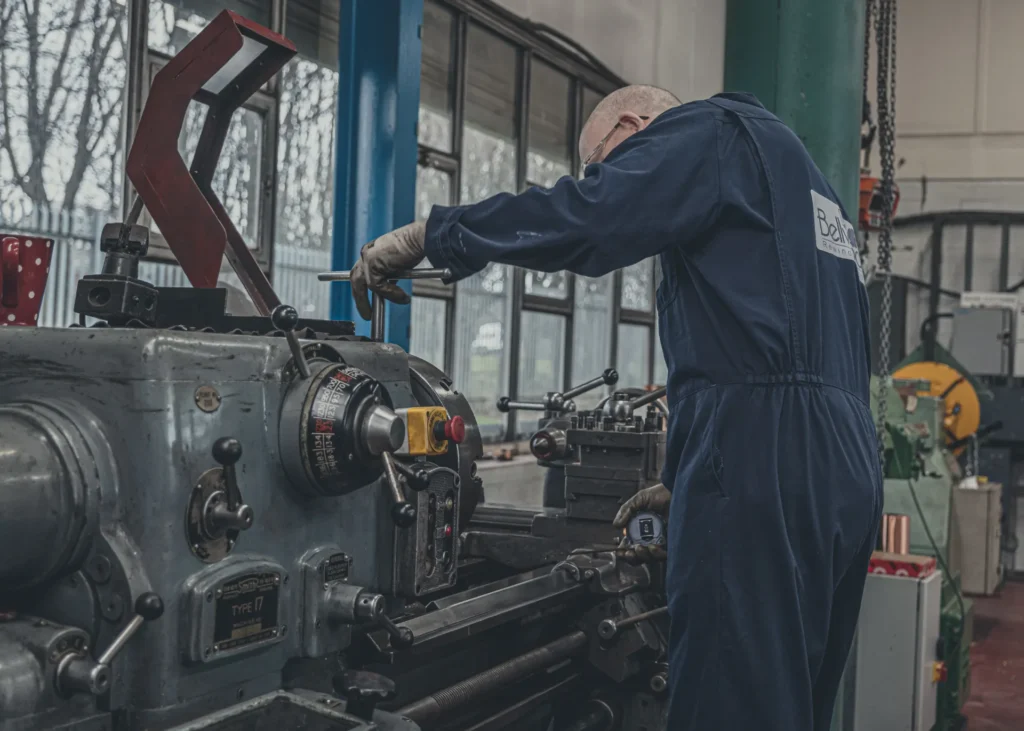
We recommend looking at replacement parts if you have issues with your diesel generator. We offer generator repair services and recommend replacing parts on the generator before purchasing a new generator. This way you save money and still have a long-lasting diesel generator.
Wet Stacking
The buildup of fuel vapours and soot in the exhaust system (known as wet stacking), is another problem that is easy to prevent but requires maintenance.
Wet stacking is when a diesel generator is running at significantly reduced loads, meaning the exhaust doesn’t reach a high enough temperature to burn off the fuel vapours.
To prevent this, you can load bank test the generator once a year and also run your own tests of powering up the generator to 30% of power for half an hour and see if the vapours are burned off. If they do not, we recommend contacting our qualified generator engineers who will be able to run the same test at 75% of the power to force the exhaust to burn everything off. However the risk with this is down to a potential buildup within the exhaust, this could ignite and be a major fire risk if carried out by an unqualified engineer.
Trustworthy Fuel Supplier
This may not be a direct impact on the running of your diesel generator but having a reliable source of quality diesel fuel is a must for any owner of diesel generators. Having someone to fill the tank regularly, deliver the fuel, contingency plans for in the event that roads are blocked so fuel can’t be delivered etc. and much more. Having a trustworthy supplier will mean that no matter when you power up your diesel generator, you can rely on it to work properly and not run into any issues, giving you the backup power you need to continue your day to day business.
If you are based in a location that has frequent low temperatures, then you should also have someone on hand to be able to prevent the diesel from gelling and clogging the engine.
Running You Diesel Generator
Running your diesel generator efficiently and effectively is crucial for ensuring uninterrupted power supply during times of need. Proper maintenance and care are key to maximising the reliability and longevity of your generator.
First and foremost, regular maintenance checks are essential. This includes inspecting the fuel, oil, and coolant levels, as well as checking for any signs of leaks or damage. Routine oil changes, filter replacements, and coolant flushes should be performed according to the manufacturer’s recommendations to keep your generator running smoothly.
In addition to routine maintenance, proper storage and usage practices can also extend the lifespan of your diesel generator. Storing the generator in a clean, dry environment away from extreme temperatures and humidity can prevent corrosion and damage to internal components. Similarly, following recommended operating procedures, such as allowing the generator to cool down before refuelling and avoiding overloading the system, can prevent unnecessary wear and tear.
Regular testing and exercising of the generator are also important to ensure its reliability during emergencies. Periodically running the generator under load and conducting simulated power outages can help identify any issues early on and prevent unexpected failures when you need backup power the most.
Investing in high-quality fuel and using fuel additives can also contribute to the longevity of your generator. Clean fuel free from contaminants can prevent clogs and damage to fuel injectors, while additives can improve fuel stability and combustion efficiency, especially during long periods of storage.
By implementing these best practices and staying proactive with maintenance, you can ensure that your diesel generator remains a reliable source of backup power for years to come. Taking the time to care for your generator properly now can save you time, money, and headaches down the line, providing you with peace of mind knowing that you’re prepared for any power outage or emergency situation.

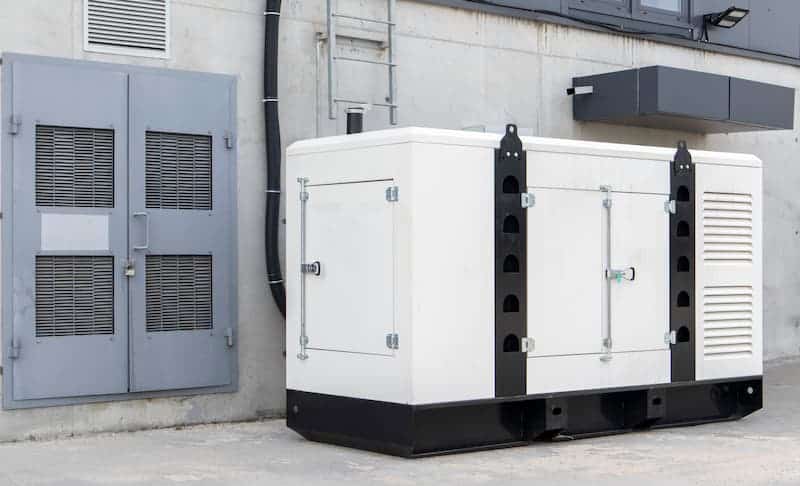
Running your diesel generator efficiently and effectively is crucial for ensuring uninterrupted power supply during times of need. Proper maintenance and care are key to maximising the reliability and longevity of your generator.
Routine Maintenance Checks:
Regular maintenance checks are essential for keeping your diesel generator in optimal condition. This includes inspecting the fuel, oil, and coolant levels, as well as checking for any signs of leaks or damage. Routine oil changes, filter replacements, and coolant flushes should be performed according to the manufacturer’s recommendations to keep your generator running smoothly. Additionally, inspecting the electrical connections, belts, and hoses for wear and tear is essential for preventing unexpected failures. We stock a wide range of spare parts for all generator types, if you’re in need of spare parts for your generator, please get in touch.
Storage and Usage Practices:
Proper storage and usage practices can significantly extend the lifespan of your diesel generator. Storing the generator in a clean, dry environment away from extreme temperatures and humidity can prevent corrosion and damage to internal components. Similarly, following recommended operating procedures, such as allowing the generator to cool down before refuelling and avoiding overloading the system, can prevent unnecessary wear and tear. Additionally, installing a protective cover or enclosure can provide an extra layer of defence against environmental elements.
Regular Testing and Exercising:
Regular testing and exercising of the generator are crucial to ensure its reliability during emergencies. Periodically running the generator under load and conducting simulated power outages can help identify any issues early on and prevent unexpected failures when you need backup power the most. It’s also important to test the automatic transfer switch (ATS) to ensure seamless transition from utility power to generator power in case of an outage.
High-Quality Fuel and Additives:
Investing in high-quality fuel and using fuel additives can further contribute to the longevity of your generator. Clean fuel free from contaminants can prevent clogs and damage to fuel injectors, while additives can improve fuel stability and combustion efficiency, especially during long periods of storage. Additionally, consider installing a fuel filtration system to remove impurities and extend the life of your generator’s engine.
By implementing these best practices and staying proactive with maintenance, you can ensure that your diesel generator remains a reliable source of backup power for years to come. Taking the time to care for your generator properly now can save you time, money, and headaches down the line, providing you with peace of mind knowing that you’re prepared for any power outage or emergency situation. Remember, our team at Bellwood Rewinds is here to assist you with all your generator servicing, repair, and maintenance needs.