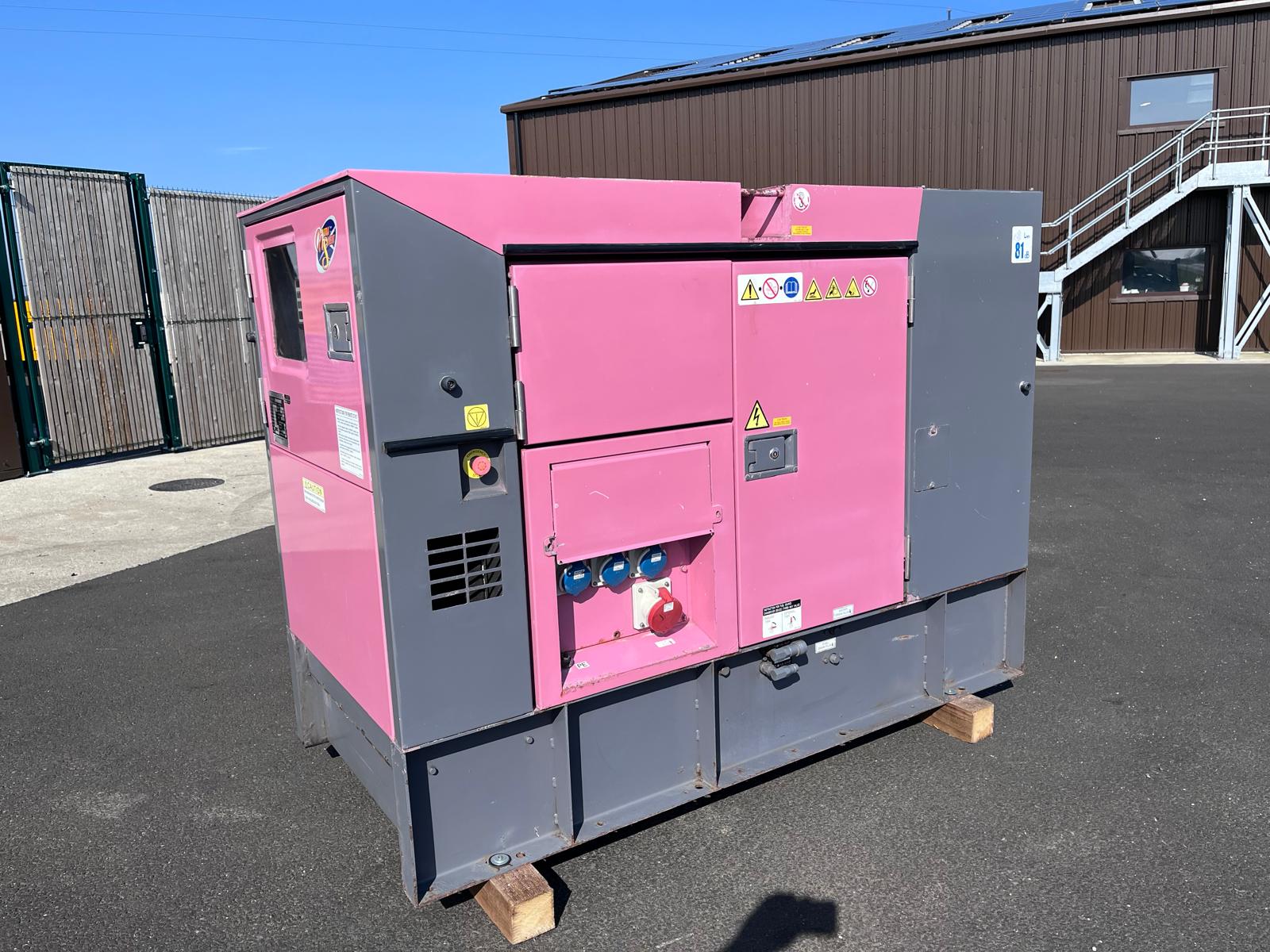
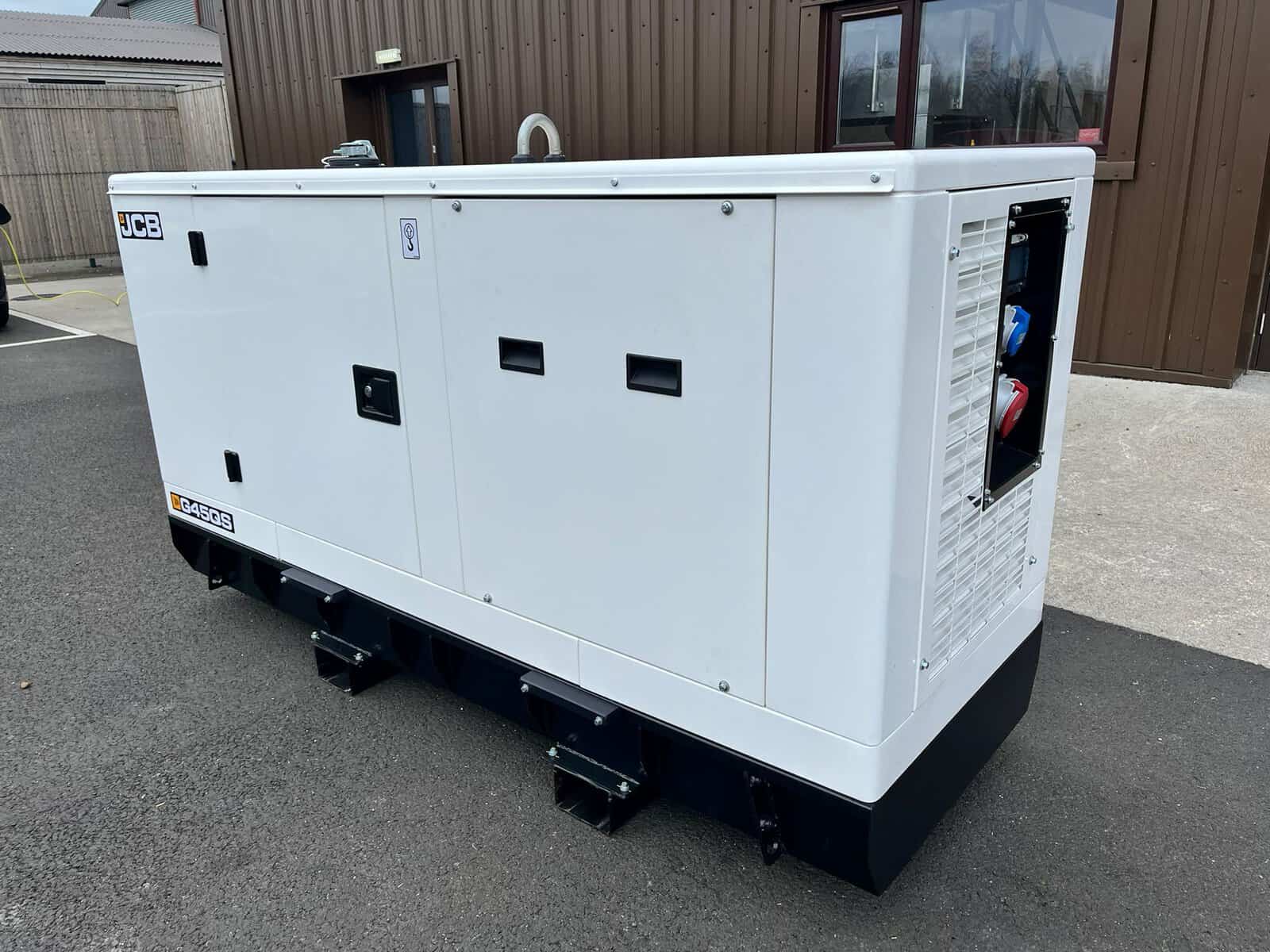
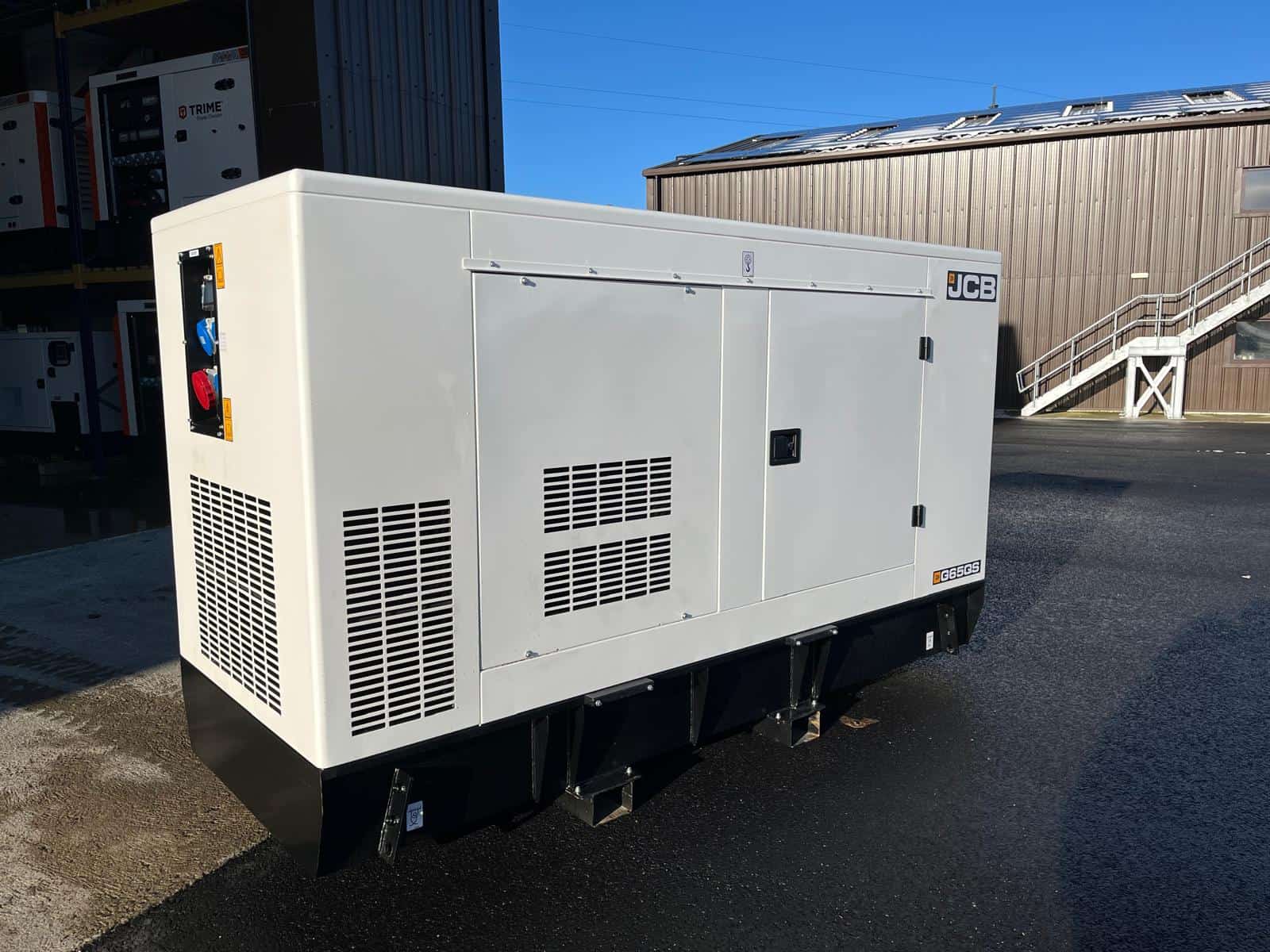
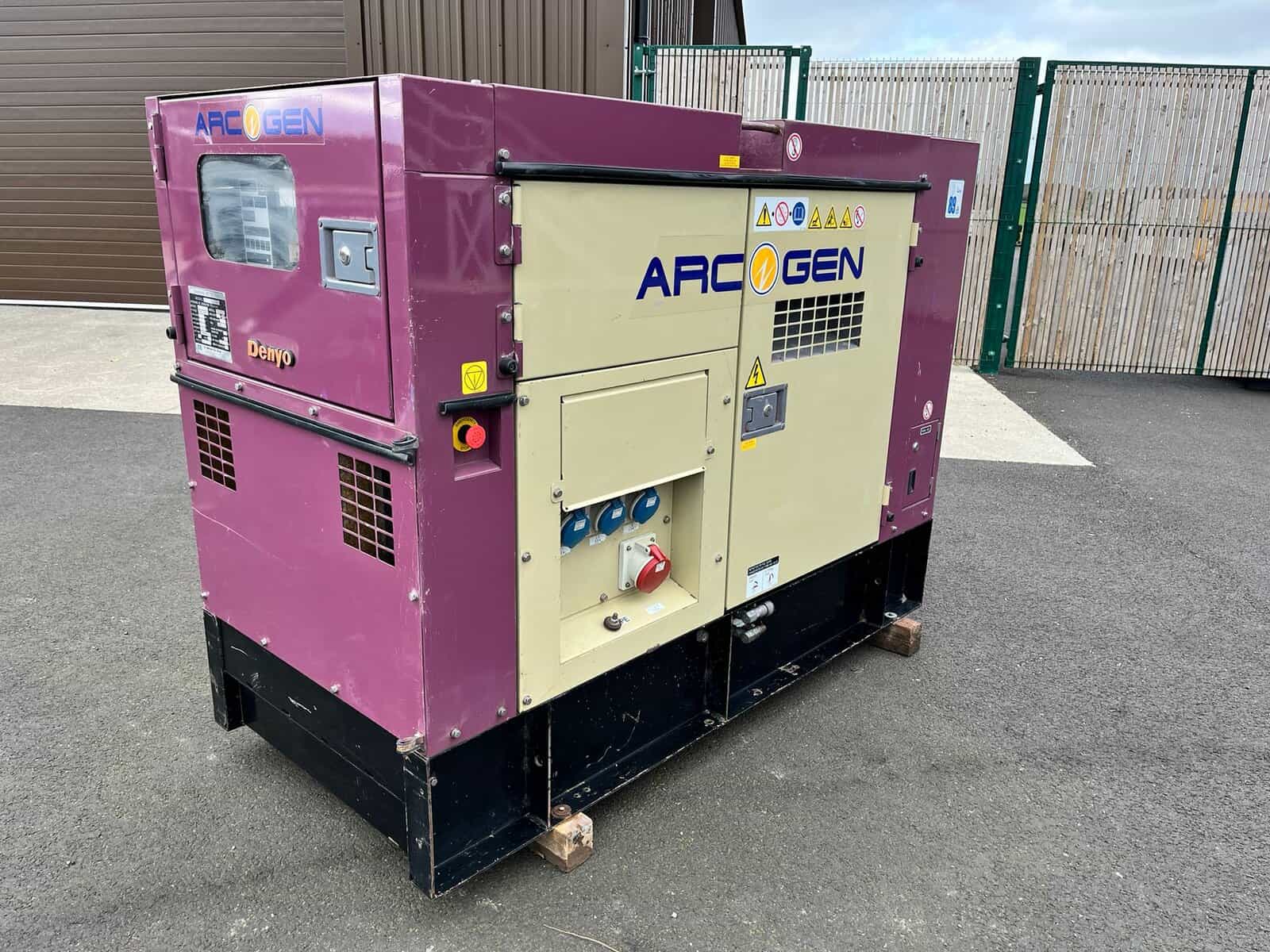
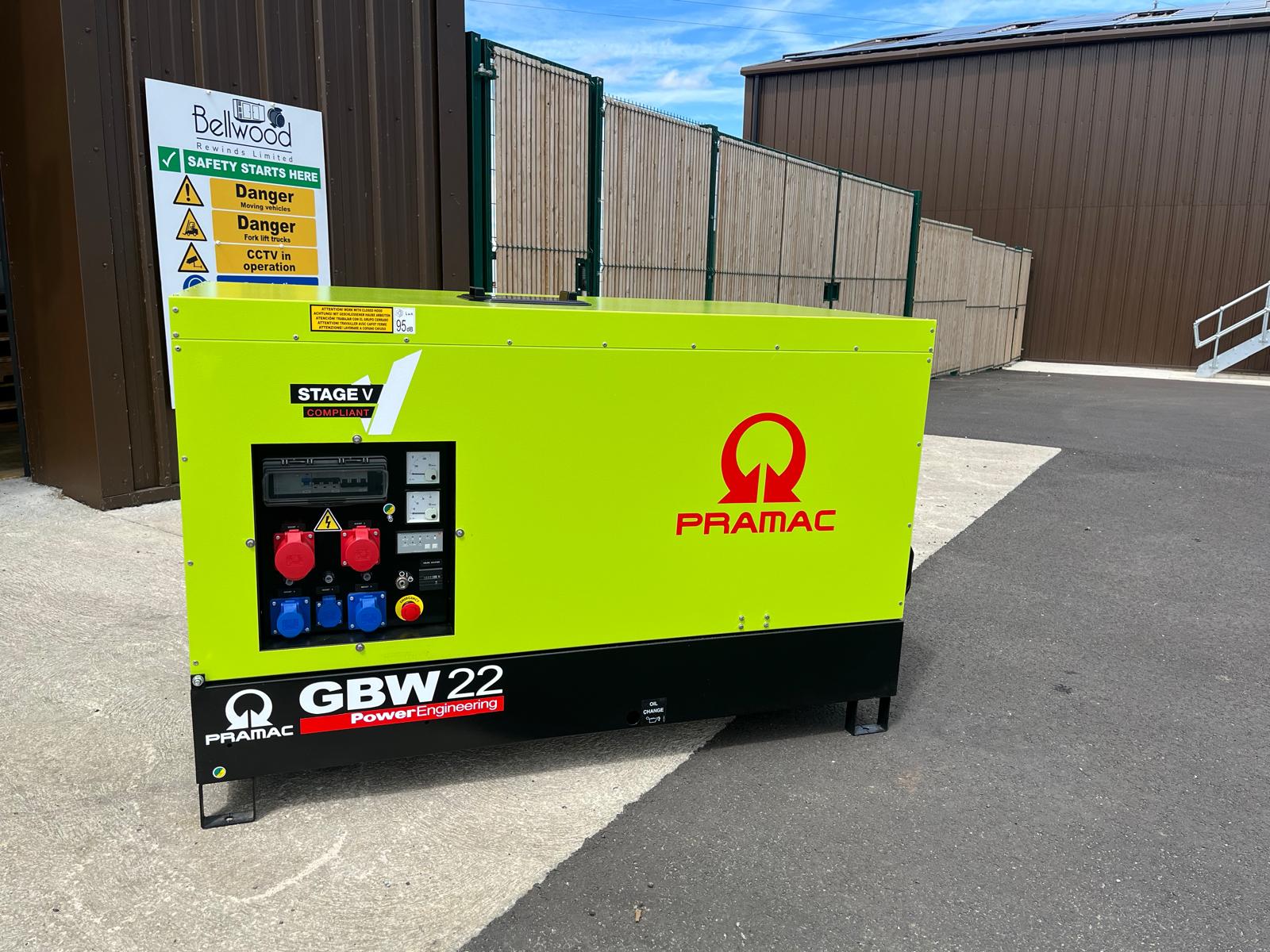
An event generator creates an independent source of electricity for venues where grid power is unavailable, limited or too far from the equipment being used. The right unit should provide consistent power while allowing capacity for starting currents and changes in demand.
A small wedding or community event may need lighting, catering and a sound system. Large festivals can require several generators, separate distribution areas and contingency capacity for stages, traders, communications and emergency systems. The solution should be based on a complete event power plan rather than one headline wattage.
Outdoor event generators can support a wide range of equipment, from entertainment and catering to communications, welfare facilities and essential site services. The exact setup will depend on the event size, location and specific power requirements, but the focus should always be on providing power safely, reliably and efficiently across the site.
For events held in the great outdoors or at more remote locations, generator choice may also need to account for portability, runtime and access. In some instances, compact models with wheel kits can make positioning easier, while larger diesel or dual-fuel options may be considered for longer runtimes or operational flexibility. The priority is to choose a generator that is suitably sized and fuel-efficient, rather than treating temporary power as a one-size-fits-all investment.
Common loads include:
- Stage lighting, sound systems and DJ equipment
• Catering appliances, food preparation and refrigeration
• Bars, coffee units and mobile concessions
• Ticketing, payment terminals and event Wi-Fi
• CCTV, radios, access control and communications
• Marquees, temporary offices and welfare facilities
• Screens, projectors and entertainment equipment
• Emergency lighting and other essential equipment
Some devices draw far more power when starting than during normal operation. Refrigeration, pumps, compressors and catering appliances should therefore be assessed using both starting and running wattage. This helps prevent overloads, voltage instability and unexpected power outages during the event.
Power Requirements and Power Output for Outdoor Events
Every event has different power requirements, so generator selection should begin with the equipment being used rather than attendance alone. List every appliance and system that may operate simultaneously, then record their running load, starting requirement, and whether they require single-phase or three-phase power. The required power output should reflect the combined demand and the way equipment operates throughout the event. Add a sensible margin, but avoid unnecessary oversizing, as it can increase fuel use, costs, and noise.
Power requirements also change according to the event timetable. Catering may reach peak demand before gates open, while lighting and sound equipment may be most heavily used in the evening. Understanding these specific power requirements helps Bellwood recommend a generator that reliably delivers power without unnecessary capacity. Larger events may divide loads across separate sets so that a single fault does not interrupt the entire site.
Bellwood can review your equipment schedule and help identify the right generator size. For deeper guidance, see What Size Generator Do I Need? and our generator guide for summer events.
Fuel Type, Fuel Tanks and Runtime for Event Generators
Different generator types suit different event requirements, and the right fuel type should be considered alongside power output, runtime, access and refuelling arrangements.
Diesel generators are generally preferred for long-duration events, larger loads and repeated commercial use. They offer strong fuel efficiency and extended runtimes, including silenced and trailer-mounted models.
Petrol generators can be suitable for small gatherings, mobile teams and lighter loads where portability is important. They are often compact, although petrol may be less economical for continuous operation.
Inverter generators produce clean, stable power for sensitive devices and can operate quietly at lower loads. They may suit smaller events, media equipment or hospitality applications, but their available output must still match the connected equipment.
The best generator is the one that matches the actual load, event duration, fuel arrangements, noise limits and delivery requirements rather than the fuel type alone. Check the usable fuel capacity, expected consumption, and how long the generator needs to run before refuelling. A correctly matched generator can also operate more fuel efficiently than an oversized set running continuously at a very low load. Multi-day events and remote locations may require additional fuel planning where access for refuelling is limited.
Generator Noise Levels for Outdoor Events
Generator noise can interfere with ceremonies, performances, hospitality areas and nearby residents. Sound-attenuated generators are often the best solution for weddings, corporate events and urban venues, while careful positioning and cable distribution can create additional separation between the power source and public areas.
The generator should remain accessible for delivery, refuelling, and emergency isolation, but segregated from guests. Consider ground conditions, exhaust direction, ventilation, weather protection, cable routes and the distance to each distribution point before equipment arrives.
Our generator noise-level information and silent-generator guide explain the available options in more detail. Bellwood can also help compare models where low noise is a key part of the event brief.
The right generator for outdoor use should be selected based on the event environment and its electrical output. Key features to consider include suitable weather protection, manageable noise levels, adequate runtime, access for refuelling, appropriate connections and enough capacity for the expected load.
Site access should also allow the generator to be safely positioned, inspected and maintained throughout the event. Where the site is temporary or difficult to access, delivery arrangements, ground conditions, and cable routes should be considered before selecting equipment.
Event Generator Hire or Buying: Which Is Right?
Buying may provide better value for venues, production companies and organisers running a regular programme of events. Ownership gives greater control, but the business must manage storage, transport and servicing.
Event generator hire may be more practical for one-off occasions, seasonal programmes or events with changing power needs. Hiring allows the generator size and configuration to be selected for each project without committing to long-term ownership.
Bellwood supplies generators for sale and provides generator hire across the UK. We can compare expected use, budget, logistics and ongoing support before recommending the most suitable route.
Safe Event Power and Cable Distribution
Temporary electrical systems should reflect the site layout, equipment schedule and emergency power requirements. Generators, distribution equipment and cables must be correctly rated and installed by competent people.
Position generators outdoors in well-ventilated locations so exhaust gases cannot collect or enter marquees, buildings or public areas. Protect equipment from adverse weather, keep the enclosure segregated from attendees and route cables to reduce trip hazards and vehicle damage. Cable ramps or protected routes may be required across pedestrian and access areas.
The HSE’s electrical safety guidance for events provides further information on temporary installations, generator positioning and cable routing. Bellwood’s generator safety information also covers practical operating precautions.
Bellwood combines generator supply with practical engineering support. We help customers move from an event equipment list to a suitable power solution rather than simply selecting the nearest available model.
- New and used event generators across multiple kVA ranges
- Portable, silenced, towable and static options
- Diesel, petrol and inverter generators
- Advice on sizing, phase, fuel and noise
- Generator hire for temporary requirements
- Delivery, servicing, repairs and technical support
Stock changes regularly, so contact Bellwood Rewinds if the right unit is not currently shown. Our team can review the event schedule, equipment, venue access and future plans before recommending a generator that provides reliable power without unnecessary cost or complexity.
Planning an Outdoor Event and Need Reliable Temporary Power?
Bellwood Rewinds can help you choose an event generator that matches your power requirements, runtime, fuel needs, noise limits and site conditions. Whether you are looking to buy a generator for regular use or need generator hire for a one-off event, our team can help you compare the available options and find a practical solution.
Contact Bellwood Rewinds today with your event details and equipment requirements for expert advice and a tailored recommendation.