



Choosing a generator for an outdoor event starts with the equipment that needs power, not the number of guests attending. A wedding with catering, lighting and a live band can place a very different electrical load on a generator than a daytime market or sports event with the same footfall.
The right generator needs to provide enough capacity for the connected equipment, cope with starting loads, run for the required period and suit the site itself. Noise, weather, access, fuel, cable routes and backup requirements can all affect the final choice.
Bellwood Rewinds supplies Outdoor Event Generators and provides Generator Hire for temporary events across a wide range of applications. This guide explains the main decisions to work through before choosing a generator.
The main factors are:
Working through these points before requesting a quotation makes it much easier to choose equipment that is reliable without paying for unnecessary capacity.
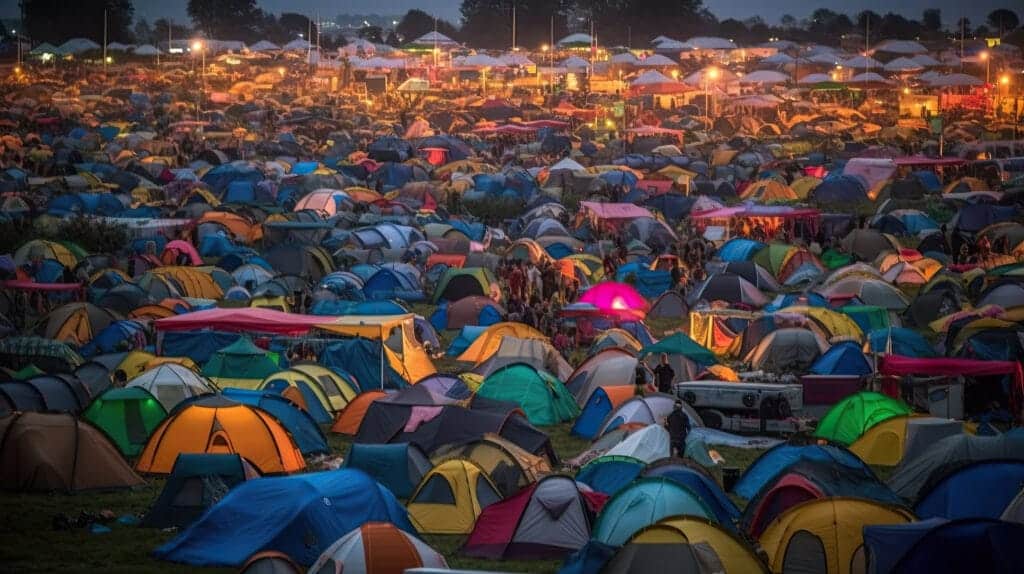

Start by creating a complete equipment list. Ask every supplier who will connect to the temporary power system for their actual electrical requirements rather than assuming what they need.
Typical outdoor-event loads include PA systems, amplifiers and DJ equipment; stage and decorative lighting; catering appliances and coffee machines; refrigeration and mobile bars; screens and projectors; ticketing and EPOS systems; Wi-Fi, radios and communications; CCTV and access control; heating or air conditioning; toilets, showers and welfare facilities; and emergency lighting and other essential services.
Record the rated power, voltage and phase for each item where possible. For festivals in particular, Bellwood’s Festival Generator Sizing guide explains how to turn that equipment schedule into a more accurate power requirement.
The generator has to cope with more than the normal running demand. Motors, refrigeration compressors, pumps and some catering equipment can draw substantially more current when starting.
A generator that looks adequate when you add together the running wattages may still trip or suffer voltage instability if several high-starting loads switch on together. The load schedule should therefore identify both running and starting demand and show which items may operate at the same time. Bellwood’s What Size Generator Do I Need? guide and Generator Power Guide provide useful background for general generator sizing.
Event equipment may be specified in kilowatts, while commercial generators are often rated in kVA. The two figures are related through power factor, so they should not be treated as automatically interchangeable.
You also need to know whether the site requires single-phase, three-phase or a mixture of both. Smaller appliances commonly use single-phase power, while larger catering, production and mechanical equipment may require three-phase supplies. For mixed or complex sites, a competent event electrician should confirm the temporary electrical distribution, phase balancing, protective devices and cable sizes before the event goes live.
Different generator types suit different event applications. Diesel generators are widely used for commercial events, festivals and longer-duration temporary power because they are available across broad power ranges and are well suited to sustained operation. Petrol generators can suit smaller events, mobile teams and lighter short-term loads where portability is important. Inverter generators can be useful for smaller loads and sensitive electronic equipment. The correct choice should begin with the load and runtime rather than choosing a fuel type first.
Noise can be one of the biggest differences between a generator that technically works and one that is actually suitable for an event. Weddings, festivals, corporate hospitality and performances may place the generator relatively close to guests or neighbouring properties.
Bellwood’s Silent Generators vs Standard Generators guide explains the practical differences, while Generator Noise Level Information provides the more technical reference for dB(A) figures and measurement distance. Do not assume a generator described as ‘silent’ is inaudible.
A correctly sized generator is still unsuitable if it cannot run for the required period without an impractical refuelling plan. Confirm expected operating hours, usable fuel-tank capacity, fuel consumption at the planned load, who will monitor fuel levels and whether refuelling is required while the event is live. Fuel consumption varies by generator model and load, so avoid relying on generic ‘hours per tank’ claims.
Before booking a generator, confirm exactly where it can be delivered and operated. Consider access width, vehicle turning space, soft ground, slopes, weight restrictions and any lifting requirements. The generator also needs enough space for ventilation, exhaust routing, inspections and refuelling.
Outdoor generators and temporary electrical systems need to be suitable for the environment in which they are used. Rain, standing water, mud, heat, wind and dust can all affect equipment and cable routes. Never move a fuel-burning generator into a marquee, vehicle, shipping container or enclosed public area simply to protect it from the weather. Bellwood’s Generator Safety Information provides additional guidance.
The generator is only the source of electricity. Outdoor events may also need distribution boards, extension cabling, connectors, cable ramps, earthing arrangements and protective devices. Cable routes should be measured before the event, and longer runs may require different cable sizes because of voltage drop.
For larger sites, Temporary Power for Events Explained shows how generators and distribution can be divided into practical power zones across stages, catering, traders and site services.
The need for backup depends on what happens if the main generator stops. For an event relying on emergency lighting, medical facilities, communications, ticketing, refrigeration or a main stage, the consequence of failure can be significant. Critical loads may justify a second generator, split-load arrangement, UPS or battery support. The Generator Hire Checklist for Event Organisers helps identify these requirements before requesting a quotation.
Generator Hire is often the most practical option for one-off events, seasonal programmes or organisers whose power needs change between sites. Buying can make sense for venues, production companies and event businesses that use a generator regularly and have predictable loads.
If you are weighing up both routes, Bellwood’s Generator Hire vs Buying guide compares the commercial considerations in more detail.
Prioritise low-noise, reliable lighting and catering power, suitable cable routes, and discreet generator positioning. Sound-attenuated diesel or smaller inverter options may be appropriate depending on the load.
These events often have larger and more varied loads, including stage production, catering, traders, lighting and site services. Multiple generators or power zones may be more practical than one central set.
Consider presentation equipment, screens, catering, temporary offices, lighting, Wi-Fi and climate control. Quiet operation can be especially important around hospitality and meeting areas.
Trader loads can vary considerably. Collect power requirements from each stallholder rather than relying on a fixed allowance per pitch.
Power may be needed for PA systems, timing equipment, screens, floodlighting, catering, communications and temporary facilities. Site layout and cable distances can be as important as the headline generator size.
Bellwood Rewinds can help organisers move from a list of equipment and event requirements to a practical generator solution. Our team can review the expected load, runtime, phase requirements, noise constraints, access and backup needs before recommending suitable equipment.
Explore Outdoor Event Generators if you are looking to purchase equipment, or speak to the Generator Hire team for temporary requirements. For complex festivals and larger temporary venues, our Festival Generator Sizing and Temporary Power for Events guides provide the next level of planning detail.
The correct size depends on the combined running load, starting demand, phase requirements and which equipment operates at the same time. Build a complete equipment schedule rather than choosing generator size from attendance alone.
Yes. Diesel generators are commonly used for commercial events because they are available across broad power ranges and suit longer operating periods. The final choice should still reflect the actual load, noise limits and site conditions.
They can be suitable for smaller events and lighter portable loads. Larger or longer-running commercial events are more likely to use diesel equipment, although the load and operating environment should determine the choice.
Only where the generator and temporary electrical installation are appropriately protected for the conditions. A fuel-burning generator still needs ventilation and safe exhaust routing and should not be moved into an enclosed public space to keep it dry.
Hire is often suitable for one-off or changing requirements, while buying is better suited to regular users with predictable loads. Compare utilisation, storage, servicing, transport and long-term cost before deciding.