Power outages can affect radio equipment, transmission links, cooling systems, security, control systems and access to emergency services. The impact may extend beyond a single location when a site supports a wider mobile or data network.
Telecommunications companies rely on a stable power supply to keep network equipment, cooling, security and control systems operational. When the main power grid fails, correctly specified generators can provide reliable backup power for critical infrastructure, helping telecom operators maintain essential services while the normal electricity supply is restored. Across the telecommunications sector, resilience is especially important because one failed site can affect a much wider network. For telecom companies operating multiple locations, generator planning should therefore support service continuity, manageable operating costs and long-term reliability rather than treating backup power as an isolated emergency measure.
Ofcom’s Network and Service Resilience Guidance emphasises the importance of robust UK telecommunications networks and addresses backup power arrangements within the mobile radio access network. A telecom generator should therefore form part of a planned resilience system rather than operate as an isolated product.
Telecom generators can support:
- Mobile phone towers and base stations
- Rural or off-grid radio sites
- Fibre, broadband and network exchanges
- Data centres and edge-computing facilities
- Emergency communication infrastructure
- Temporary or rapidly deployed network sites
The requirement differs by application. Telecom generators may be used at telecom towers in both rural areas and urban areas, as well as exchanges, data centres and remote communication sites. A remote tower may need a compact telecom generator with extended fuel capacity and remote monitoring, while a data centre or switching facility may require larger generator sets, redundant capacity and coordinated UPS protection. The required power solution will depend on the available grid connection, connected equipment, expected outage duration and the level of resilience the site needs to maintain.
What Makes a Generator Suitable for Telecommunications?
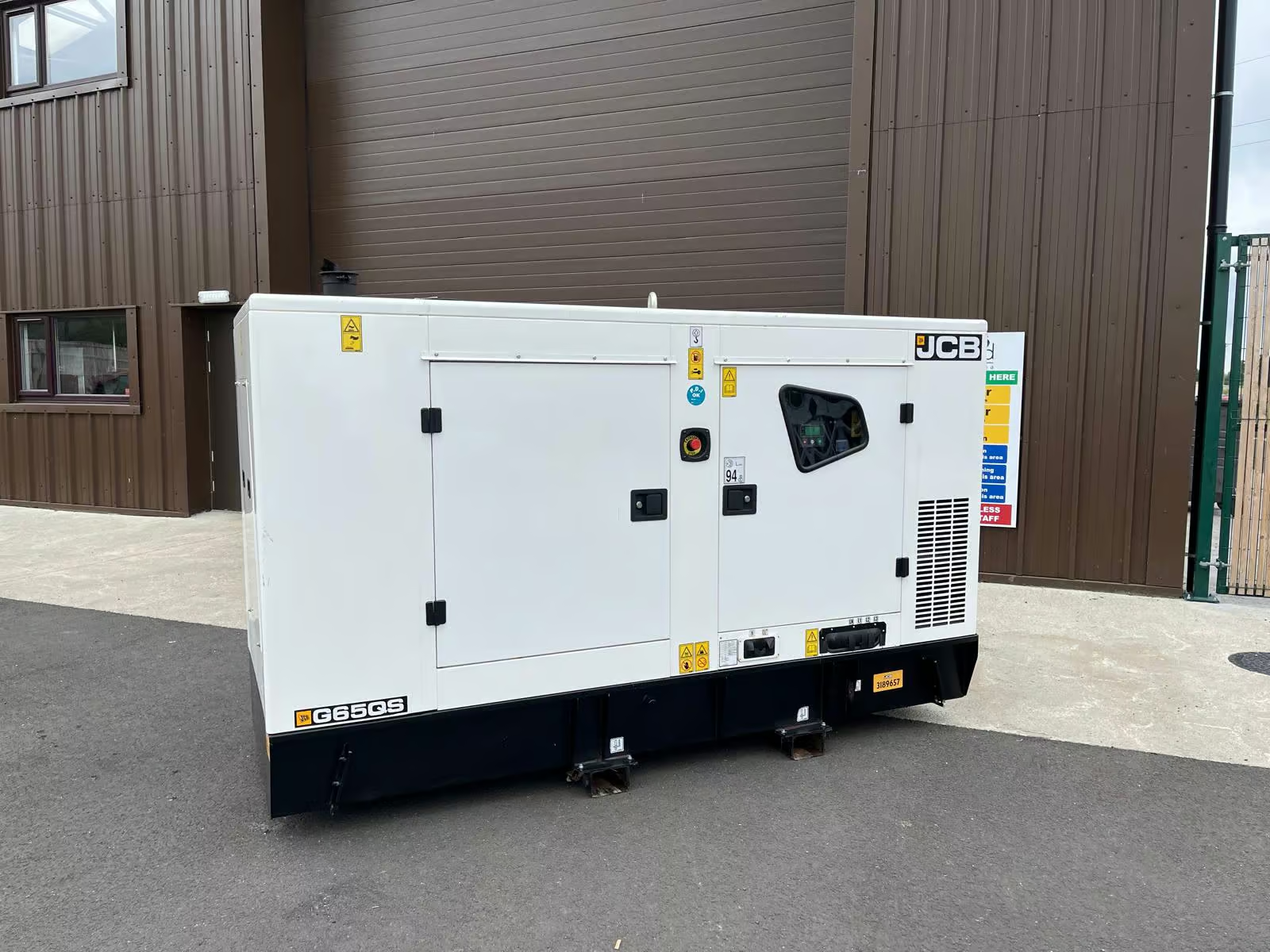
A suitable telecom generator must deliver reliable power while fitting the site’s practical constraints. Important features may include automatic start, stable voltage and frequency, weather-resistant or sound-attenuated enclosures, extended-autonomy fuel tanks, and remote monitoring, where supported by the model.
Maintenance access matters too. Remote sites can be costly to visit, so the unit should be installed with inspection, refuelling, repairs and component replacement in mind.
Sizing begins with a complete load schedule. Include network equipment, rectifiers and battery charging, cooling, lighting, security, control systems and auxiliary loads. Starting currents and future expansion should also be considered.
A generator that is too small may overload or shut down. An unnecessarily large unit can increase purchase cost, fuel consumption and low-load operating problems. Bellwood can review your load information and recommend an appropriate kW or kVA rating. Our guide to what size generator you need explains the basic sizing process.
Standby or Continuous Power Supply for Telecom Sites
Standby generators operate when the normal supply fails. They may run infrequently, but still require healthy batteries, clean fuel, proving runs and planned servicing so they start during power outages.
Prime or continuous-power generators suit off-grid locations or sites with unreliable grid power. Their duty rating, fuel system, cooling and maintenance schedule must support longer operating periods and a continuous power supply where dependable mains electricity is not available.
Control Systems, Remote Management and Backup Power
An Automatic Transfer Switch can detect a mains failure, start the telecom generator and transfer the selected load once the supply is stable. Remote monitoring may allow telecom operators to view status, alarms, running hours and fuel information without travelling to the site, subject to the controller fitted.
For sites that are difficult or expensive to visit, remote management can reduce unnecessary call-outs by giving operators access to generator status, alarms, fuel information and running hours where the fitted controller supports those functions. This can help telecommunications companies respond more quickly to faults and support the uninterrupted service and seamless connectivity expected from modern networks.
Telecom sites often use layered power solutions. Batteries or UPS systems can support critical equipment during changeover, while the generator provides longer-term power and supports recharging. Some modern telecom sites also use hybrid power systems that combine generators with battery storage or renewable energy to reduce generator runtime during periods of low demand.
Telecom backup systems should be specifically designed around the site’s load, controls and resilience requirements. When generators, ATS equipment, batteries, rectifiers, and monitoring systems are selected as a single coordinated system, easy integration becomes an important practical consideration during installation and ongoing maintenance. The generator, ATS, battery storage, rectifiers, protection and controls must be compatible and tested together.
Extended Runtimes, Fuel Efficiency and Site Conditions
Runtime depends on tank capacity, connected load, fuel consumption and generator condition. Remote locations may benefit from extended-autonomy tanks and low-fuel alarms, while urban telecom sites may place greater emphasis on sound attenuation, emissions and compact installation. Sites that may experience prolonged outages should consider fuel capacity, expected load and refuelling access when planning for extended runtimes. A correctly sized generator can also operate more efficiently than an oversized set running continuously at a very light load, helping to balance resilience, energy use, fuel consumption, and operating costs.
Location should account for ventilation, exhaust routing, weather, access, security, earthing, cable routes and fuel storage. Equipment must remain accessible to engineers without creating unnecessary risk for the public or nearby buildings. Review Bellwood’s generator safety information when planning the installation.
Maintenance That Reduces Telecom Downtime
Preventative maintenance should cover the engine, alternator, fuel, coolant, filters, starter batteries, battery charger, controls, alarms and electrical output. Servicing should follow running-hour and time-based recommendations, even where standby generators have seen little use.
A low-maintenance generator still requires planned inspection and servicing. The real objective is to reduce avoidable faults, engineer visits and unexpected downtime through appropriate equipment selection and preventative maintenance. For remote telecom sites, this can also help control operating costs over the generator’s working life.
Testing under representative load can expose weak batteries, cooling problems, fuel contamination and unstable output before a real outage. Bellwood provides generator servicing, load bank testing and generator repairs for standby and prime-power systems across the UK.
Bellwood combines generator supply with practical engineering support. We help customers identify a suitable telecom generator based on load, duty, environment and resilience requirements rather than selecting the closest available rating.
- New and used telecom generators across multiple kVA ranges
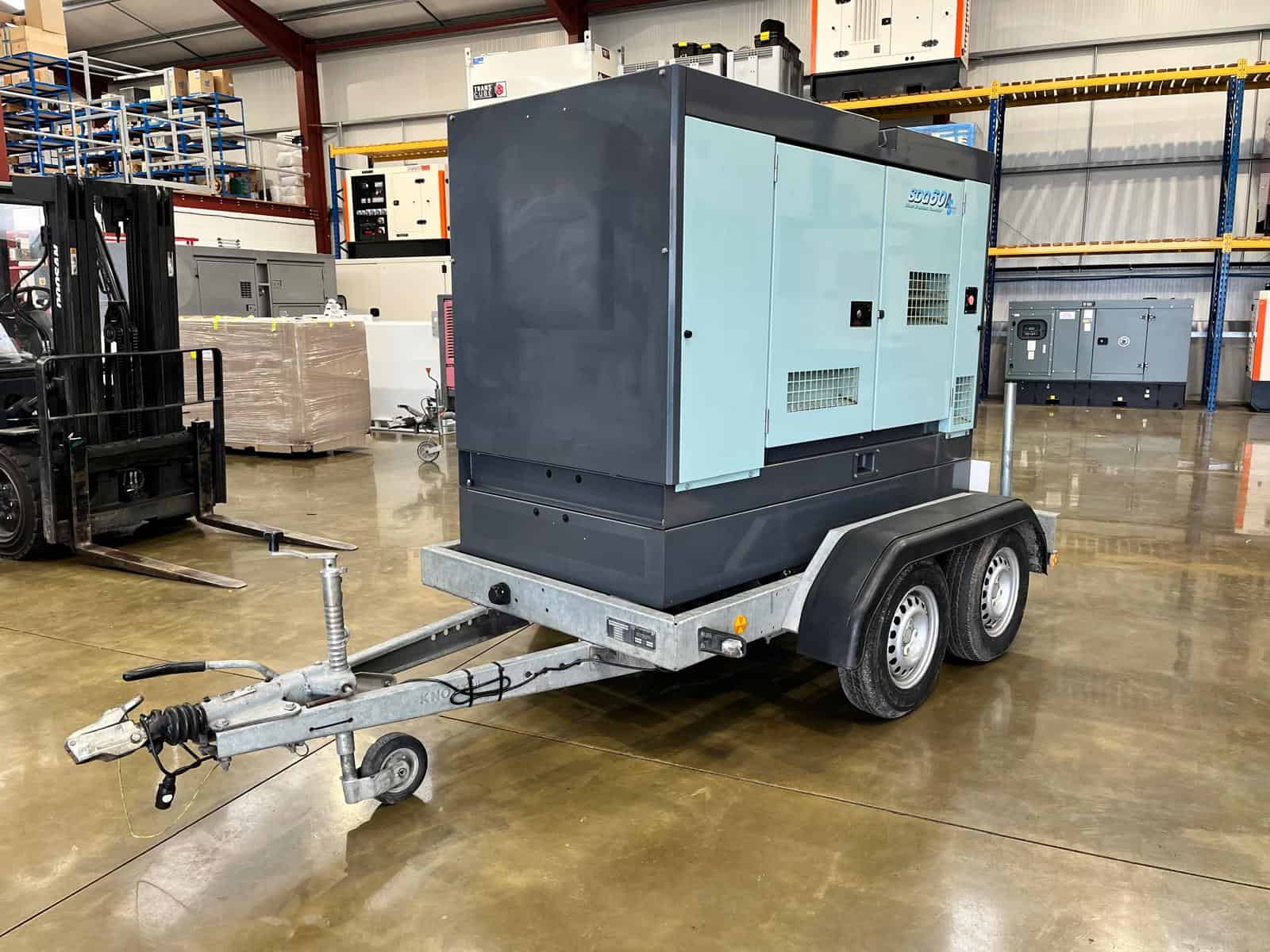
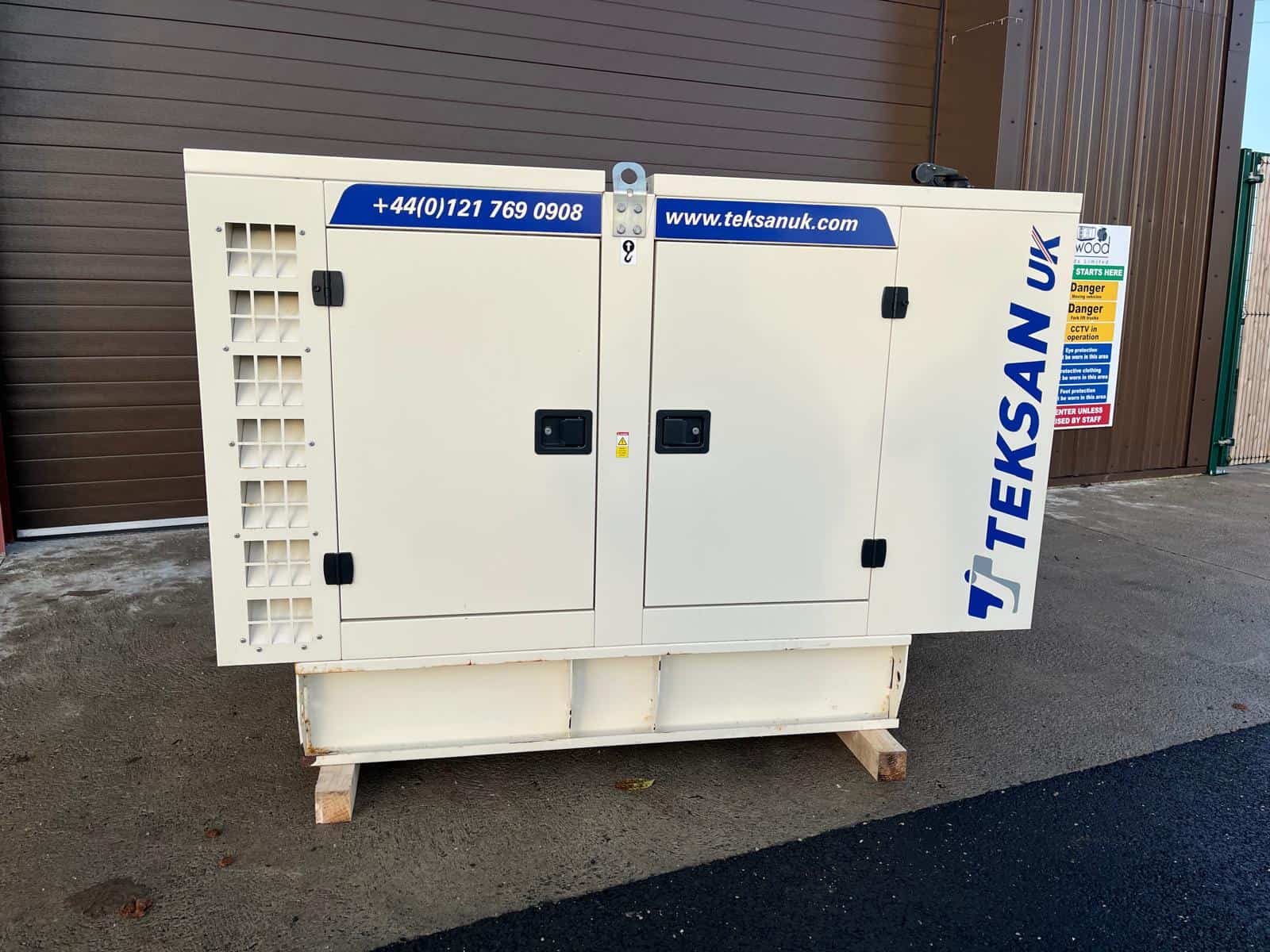
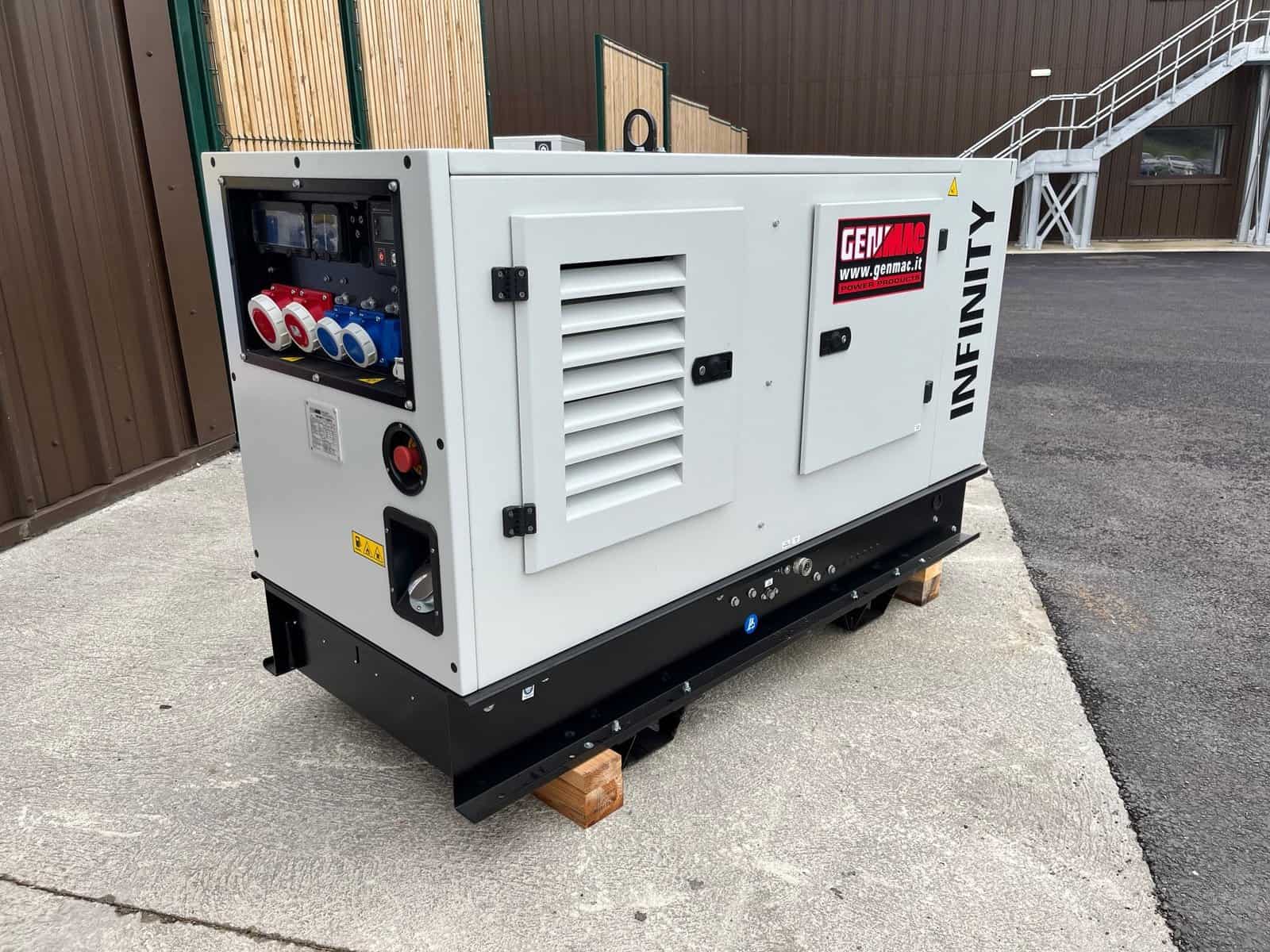
- Silenced, weather-protected and mobile options
- Standby, prime and continuous-duty power solutions
- Advice on sizing, ATS, battery charging and controls
- UK-wide delivery, servicing, repairs and technical support
Stock changes regularly. Contact Bellwood Rewinds with your load schedule, site conditions and operating priorities, and our team will help you find reliable power for your telecommunications infrastructure.
Find the Right Telecom Generator for Your Site
Whether you need reliable backup power for cell towers, a continuous power supply for a remote telecom site or a resilient solution for critical infrastructure, Bellwood Rewinds can help you compare suitable generator options around your specific load, duty and site requirements. Our engineering team can provide guidance on sizing, controls, remote management, fuel capacity, installation, and ongoing servicing, helping you select a cost-effective and reliable power source that supports network resilience.
Contact Bellwood Rewinds today with your telecommunications requirements for tailored advice and a quotation.