



Nowadays electricity is an indispensable part of life today, it provides us with lighting, climate control, entertainment and much more. It’s hard to imagine life without electricity. When it comes to electrical power, energy is usually converted from other forms into electricity, powering the systems and devices that we often take for granted.
Converting energy from one form to another is a way to understand the difference between electric motors and generators, an electric motor will convert electricity into mechanical energy and provide a power source for machinery. When it comes to generators, they do the opposite of this and change the mechanical energy into electricity.
Even though there’s a significant difference in the functions, electric generators and electric motors are similar when it comes to their underlying mechanisms and fundamental structure, they both rely on an important law of physics, Faraday’s Law of Electromagnetic Induction.

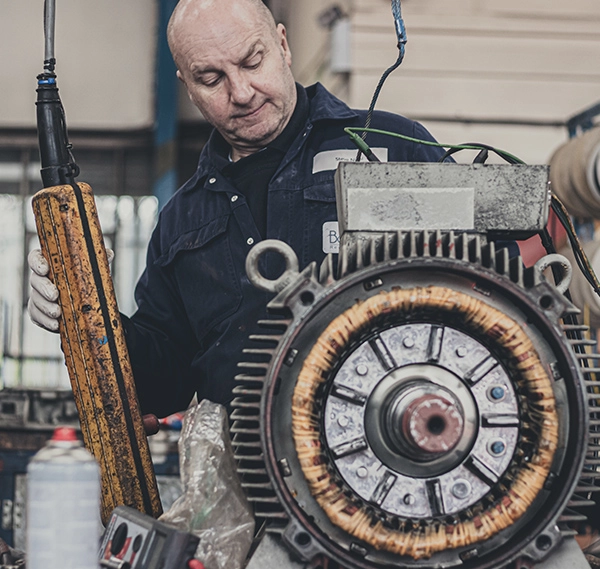
It is well known that electricity and magnetism are two manifestations of a single fundamental force called electromagnetism, which is central to the universe as we know it. The electromagnetic force is said to have existed in its current form since the big bang.
According to Faraday’s Law of Induction, whenever there is a change in the magnetic field across a conductor, like a wire coil, electrons will move perpendicular to that magnetic field, this will generate electromotive force, which then creates a flow of electrons. This is what’s used to create electricity in a electric generator.
To produce this magnetic flux, the magnets and the conductor are moved relatively close to one another, the wires will wind up into tight coils, increasing the number of wires and resulting in electromotive forces. By continuously rotating the coil or magnet, whilst keeping the other in place, it will give a continual flux variation. The rotating component is referred to as a ‘rotor’, whilst the stationary component is called a ‘stator’.
Electric generators come under two categories, ‘dynamos’ and ‘alternators’, dynamos direct current and alternators generate alternating currents.
The dynamo was the first form of electric generators that were useful for industrial applications, electric dynamo uses rotating coils of wire and magnetic fields to convert mechanical energy into direct currents. Originally dynamos are used for electric power generation and use steam as a source to generate the required mechanical energy.
Today, electric dynamos use outside of a few low power applications, alternators are more widespread for electricity generators. These types of generators convert mechanical energy into alternative currents. A rotating magnet serves as the rotor, turning within a set of conductor coils on an iron core which becomes a stator. As magnetic fields rotate, they generate an AC voltage in the stator. The magnetic field can be created by permanent magnets or by a field coil electromagnet.
Automobile’s alternator, as well as a central power station, provides electricity to a grid and becomes an electric generator.
As mentioned, although electric motors and generators perform opposite functions, they rely on the same underlying physical principle, Faraday’s Law of Induction. During the early nineteenth century, Michael Faraday’s contributions to the study of electricity and magnetism were unparalleled. Despite having a formal education and despite the fact that the empirical study of physical phenomena was a new field of study, Faraday is one of the most influential scientists in history.
Faraday’s monumental discovery includes the magnetic fields interaction with electric currents which create an electromotive force. This has opened the door to modern electric technology that we take for granted. Faraday’s law of induction is the principle behind transformers, electric motors, generators, inductors and solenoids. Without this knowledge, we would not be able to develop reliable equipment for generating electricity to the grid. We wouldn’t have electric motors to power other machinery and the electrodynamics developed by Faraday and Maxwell were also a major catalyst for Albert Einstein’s theory of Special Relativity.
Electric motors and electric generators, regarding their functions, are quite distinct from one another, however, they are similar in other ways. Both rely on the same underlying physical principle and understanding these is instrumental in the development of the most commonplace modern technology.
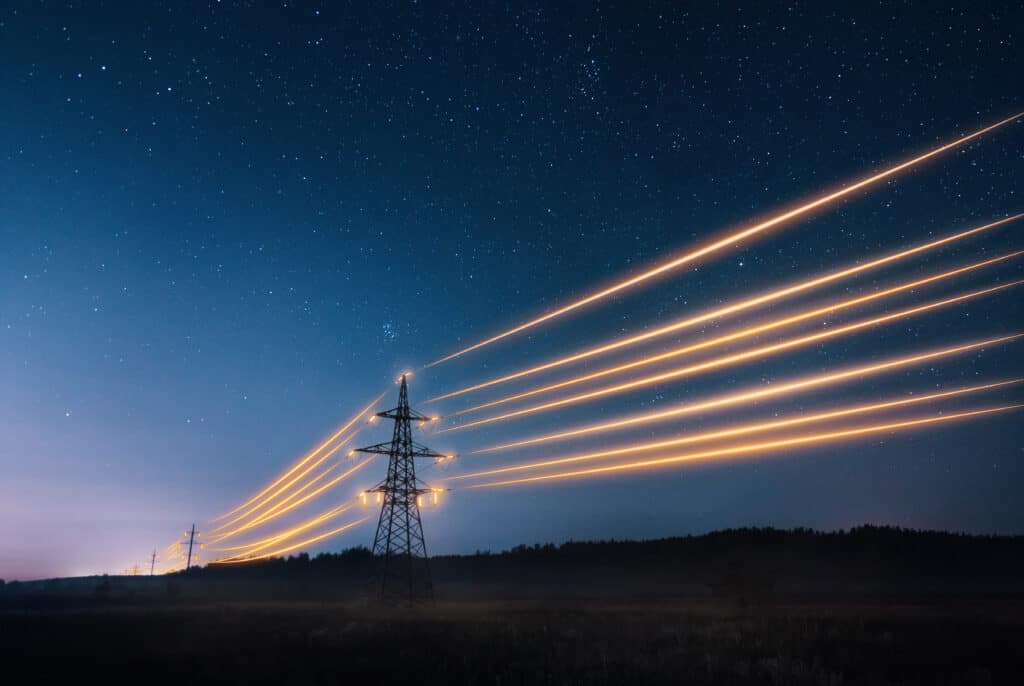
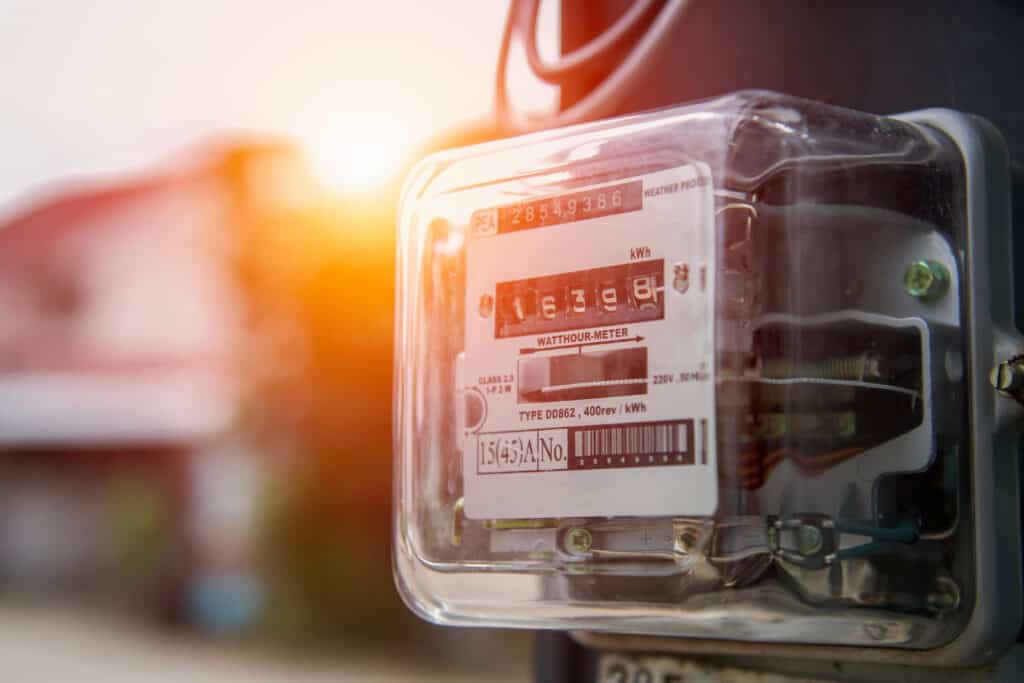
Faraday’s groundbreaking discoveries in electromagnetism laid the foundation for some of the most fundamental technologies that power the modern world. His profound insights into the interaction between magnetic fields and electric currents revolutionised our understanding of electricity and magnetism, paving the way for the development of electric motors and generators.
Electric motors are devices that convert electrical energy into mechanical energy through the interaction of magnetic fields and electric currents. Faraday’s law of induction, which states that a changing magnetic field induces an electromotive force (EMF) in a nearby conductor, is the fundamental principle underlying the operation of electric motors. By harnessing this principle, electric motors can produce rotational motion, powering everything from industrial machinery to household appliances.
Faraday’s contributions to the understanding of electromagnetism provided the theoretical framework necessary for the development of efficient and reliable electric motors. His insights into the behaviour of magnetic fields and electric currents laid the groundwork for the design and optimisation of electric motor systems, enabling widespread adoption across various industries.
Electric generators, on the other hand, operate on the principle of electromagnetic induction, whereby a moving conductor within a magnetic field generates an electric current. Faraday’s law of electromagnetic induction forms the basis of generator operation, illustrating the reciprocal relationship between electricity and magnetism.
By rotating a coil of wire within a magnetic field or vice versa, electric generators can produce a continuous flow of electricity, converting mechanical energy into electrical energy. This process is essential for generating electricity on a large scale, powering homes, businesses, and entire cities.
Faraday’s profound insights into electromagnetism and his pioneering experiments with electric and magnetic fields have had a lasting impact on science and technology. His discoveries not only revolutionised the field of physics but also paved the way for countless innovations in electrical engineering and technology.
The principles elucidated by Faraday continue to underpin the design and operation of electric motors, generators, transformers, and a myriad of other electrical devices. Without his foundational contributions to electromagnetism, the development of modern electric technology as we know it would not have been possible.
In summary, Faraday’s legacy in electric motors and generators is a testament to the power of scientific inquiry and innovation. His pioneering work laid the groundwork for the electrification of the world, shaping the course of technological progress and forever changing the way we live and work.