
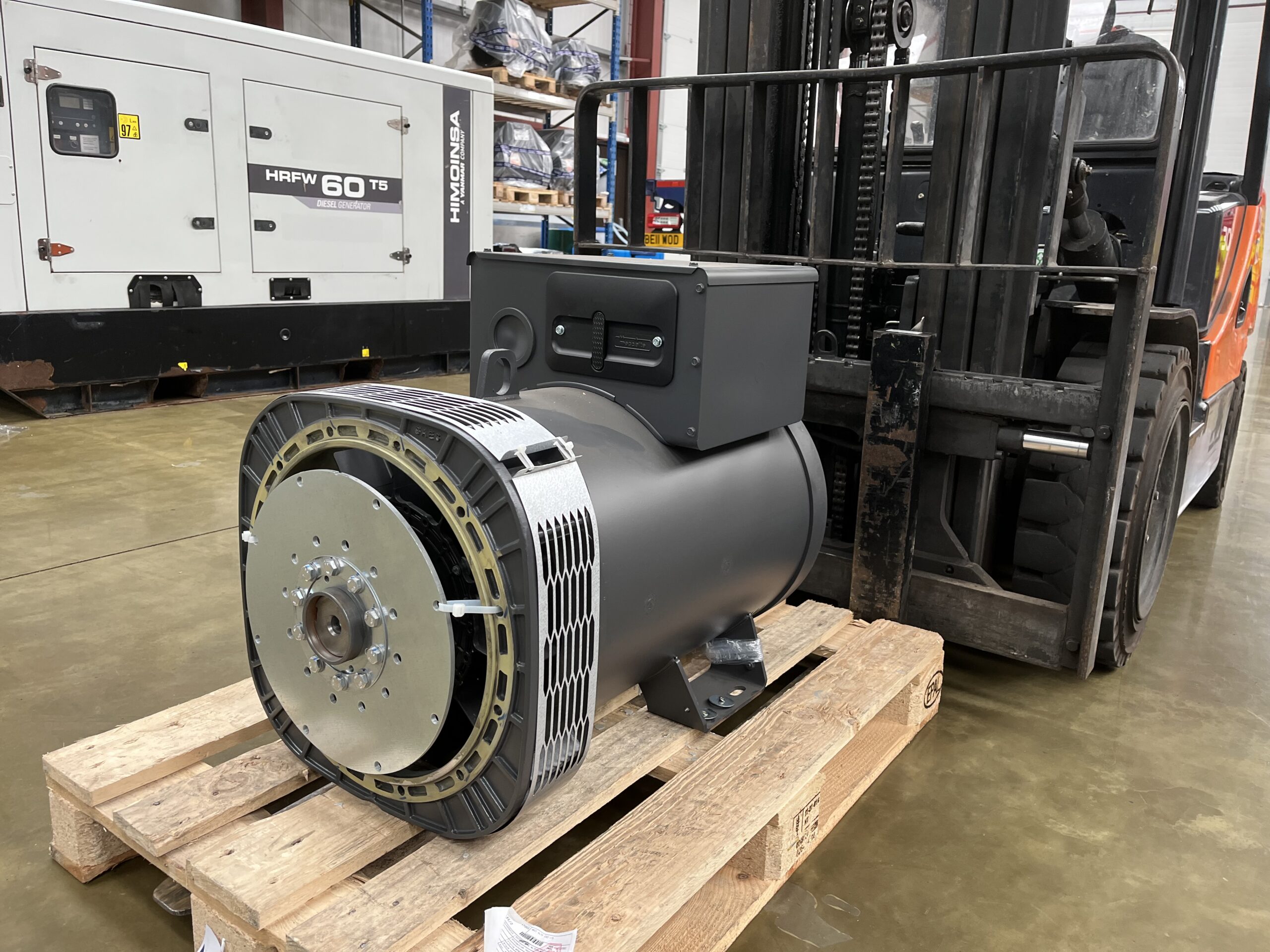
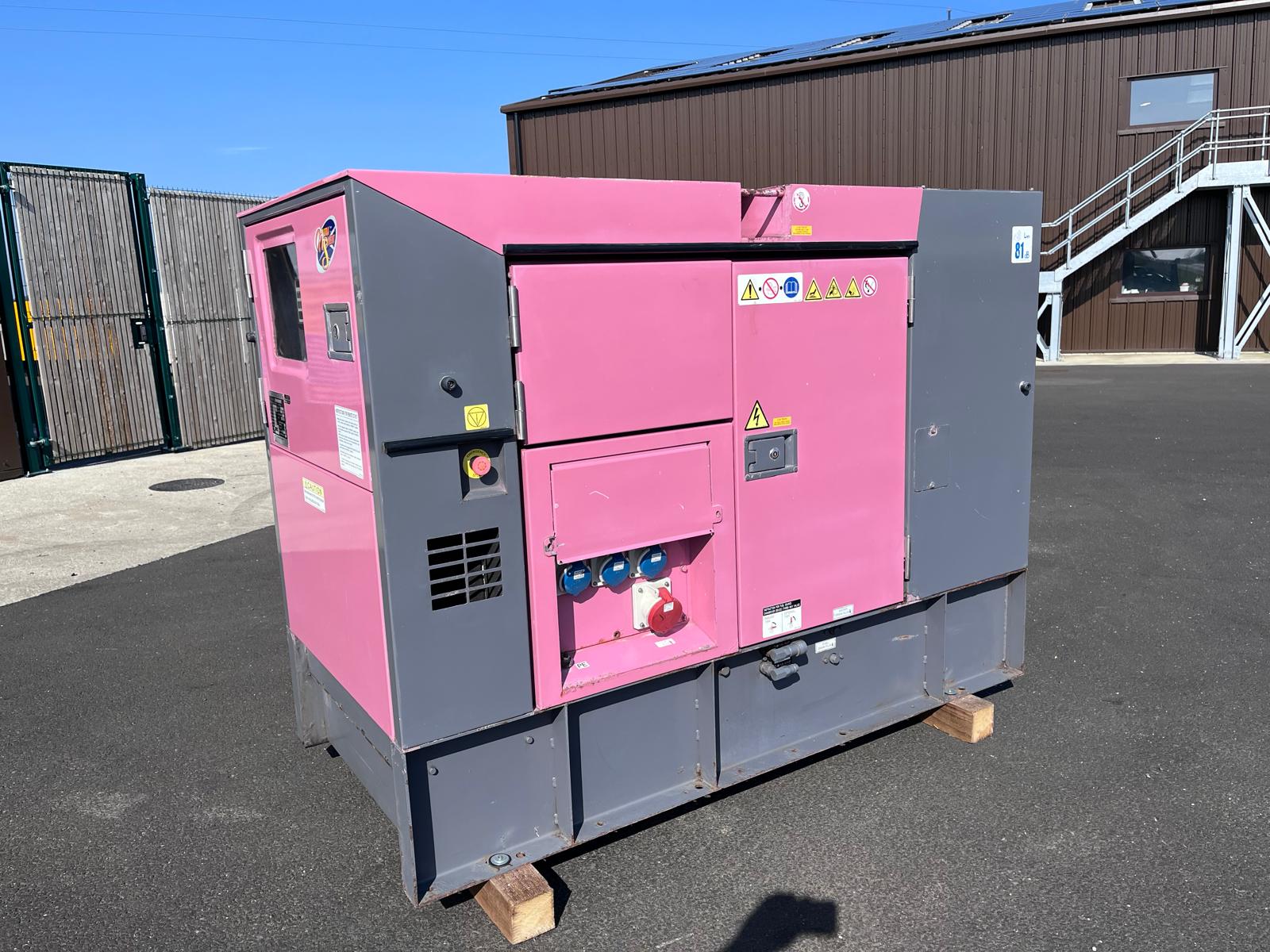
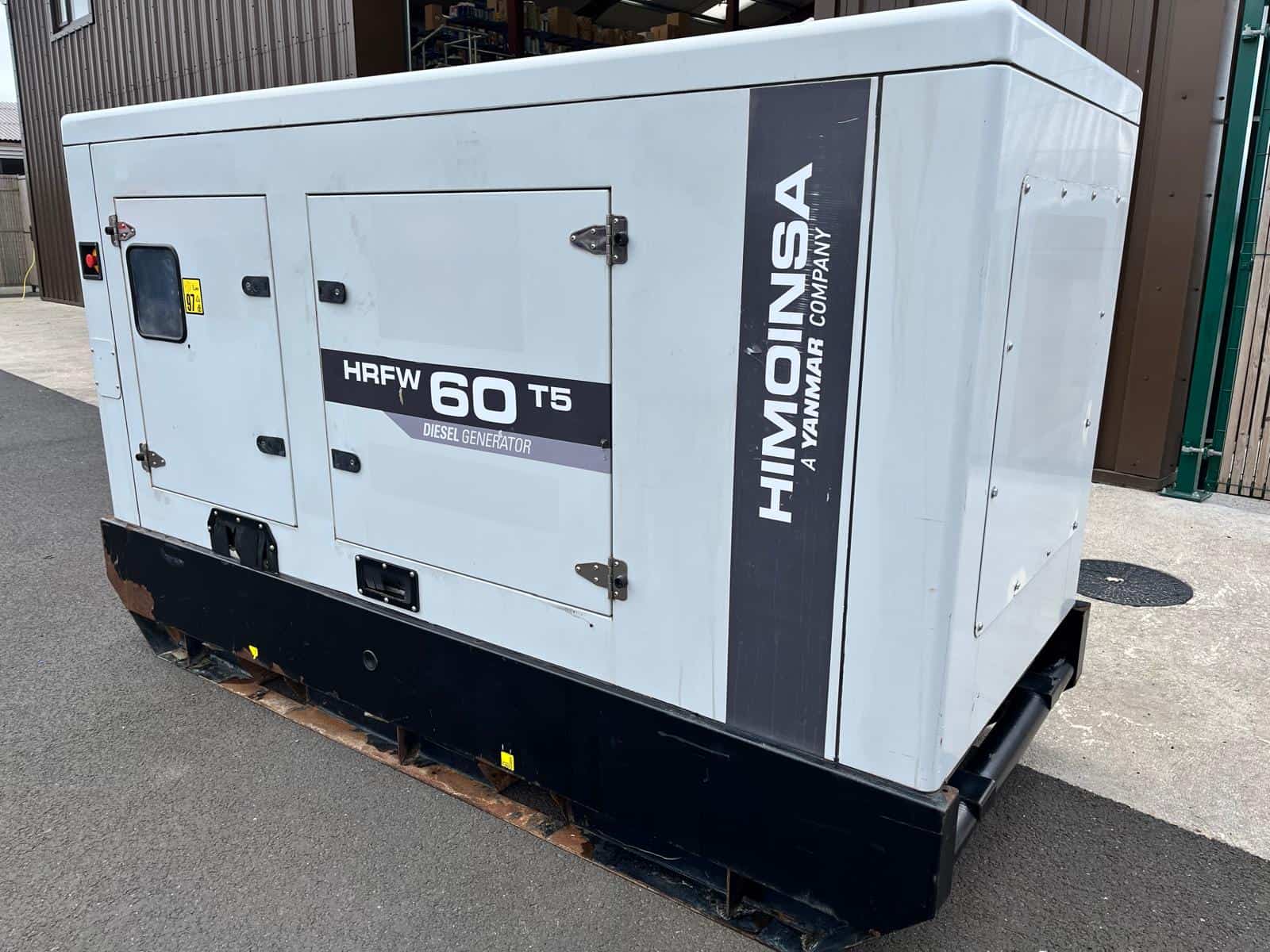


Careless use of generators can cause potentially serious and dangerous safety hazards including, injuries, electric shock and fires.
Ensure the safety of your generator performance with these precautions to guarantee reliability and safety. Take a look at Bellwood Rewinds’ safety tips.
Make sure that yourself and any other individuals who will be operating the generator have thoroughly read the product instructions. By carefully reading through the safety documentation you are making yourself aware of how to use the generator properly and also any potential hazards that could occur. It’s also important that when doing this, you take note of all of the warning labels and notes in the manual.
The first step in ensuring the safety of your generator is to prevent it from moving from its position. This can be achieved by placing it on a flat surface to prevent tilting, rolling, sliding, or tipping over. If your generator is equipped with wheels, ensure that they are securely locked in place. If locks are not available, use wedges or chocks under the tires to prevent unintended movement.
Additionally, position the generator out of the way of areas where people could easily bump into it. Placing it in a designated area with clear signage or markings can help prevent accidental collisions and ensure the safety of both individuals and the generator itself.
By taking these simple precautions to secure your generator, you can minimise the risk of accidents or injuries and maintain a safe working environment for everyone involved. Remember, safety should always be a top priority when operating or handling generators.


When setting up your generator, it’s essential to take precautions to prevent power cables from becoming trip hazards or getting damaged. Running power cables out of the way of areas where people will be present can help minimise the risk of accidents and ensure the safety of individuals in the vicinity.
Additionally, be mindful of potential hazards such as snagging, which could not only damage the cables but also cause disruptions to the main generator outlet. To mitigate these risks, place the generator unit as close to the work area as possible, reducing the length of power cables and minimising the chances of interference.
Furthermore, consider using cable covers or guards to protect power cords from accidental damage and to draw attention to the presence of electrical equipment. Cable covers not only help prevent tripping hazards but also serve as a visual reminder to exercise caution in the area surrounding the generator setup.
By proactively managing power cables and implementing safety measures such as cable covers, you can create a safer working environment and reduce the likelihood of accidents or disruptions. Prioritising safety when handling generators and electrical equipment is essential to ensure the well-being of all individuals involved in the operation.
Remember, proper cable management and safety precautions are crucial aspects of generator setup and operation. By taking the necessary steps to manage power cables effectively, you can promote a safer and more efficient working environment for everyone involved.
Operating a generator near water poses significant risks, as water can conduct electricity and create a hazard for individuals in the vicinity. In addition to endangering people, water exposure can also damage the generator by causing short circuits in unprotected outlets and extension cords if they become wet. Therefore, exercising extreme caution and keeping generators away from water sources is imperative for safety.
Splitters give you the choice to plug in different equipment causing more electricity to be drawn through the outlet, which can be unsafe. It can also lead to overheating outlets which can damage diodes, circuits and blow fuses. If you do require splitters then make sure you consult the manufacturer regarding the precautions that should be taken.
Taking special measures when refuelling or working around fuel tanks helps to prevent fires. Another important instruction is to not refuel the engine when it is running or it has heated up. You should also keep fuel containers away from heavily trafficked areas and smoke, it’s also important that you ensure you don’t use open flames near the open generator tank or gas can. Another precaution is to keep fire extinguishers and someone trained to use them nearby, as well as only using fuel stored in a approved container and kept in a well-ventilated area.
Exhaust fumes from gas engines, which are found in generators, contain carbon monoxide, an invisible, odourless, and potentially deadly gas, so it’s important that you don’t operate gas generators in a poorly ventilated area. This precaution applies to CARB compliant generators; they are more economical when limiting carbon emissions than non-CARB compliant generators, which also give off exhaust fumes that are harmful in large quantities. Ensuring proper ventilation not only protects you from harmful gases but also helps in maintaining the generator’s performance and longevity.
Excessive loud noises lead to hearing loss, so when working nearby generators it’s important to wear hearing protection. This includes foam earplugs and sound-cancelling headphones, which should be chosen depending on the sound level of the generator or other machinery being operated. Consistent use of hearing protection can prevent long-term damage and ensure a safer working environment. Additionally, taking breaks in quieter areas and maintaining a safe distance from the noise source can further reduce the risk of hearing impairment.
One of the most necessary safety precautions you can undertake is to have your units serviced regularly. When undergoing a generator service it’s important that you don’t work on the equipment when it’s fatigued, you keep the machines turned off as much as possible and you are very careful when working on electrical components. If replacement parts or repair services are required, you should seek advice from a certified technician who is familiar with generators.
To ensure the safest working environment, keep the generator and surrounding areas clutter free, as well as removing all grease, ice, snow or other materials that could create surfaces you could slip on. Make sure there are no rags or other materials around the area, these could cause a potential fire hazard. Clean up gas or oil spills before starting the generator up and avoid working through or nearby standing water.
By following these top tips, you will guarantee the safety of your generator unit, as well as the operation of the generator and anyone working nearby or in the area of the generator.
Should you have any questions regarding our generator units or services, do not hesitate to contact Bellwood Rewinds a member of our team today, who will be happy to help with any questions you may have surrounding new or used generators or servicing, or provide any advice or guidance.