



When it comes to selecting a generator, understanding its rating is crucial. Different ratings, such as Prime, Standby, and Continuous, indicate how the generator can be used, what load it can handle, and the duration it can operate effectively. This guide from the experts at Bellwood Rewinds will walk you through each rating in detail, explaining what they mean and how they apply to different settings, helping you make an informed choice that suits your specific power needs.
At Bellwood Rewinds, we specialise in supplying and servicing a wide range of high-quality generators, ensuring they meet industry standards and provide lasting reliability. Whether your requirement is for an industrial site, agricultural facility, or remote location, we offer expert guidance on choosing the right generator for uninterrupted performance and optimal efficiency.
Generators are vital in settings where a reliable power supply is essential, whether as a primary source or as a backup during utility power interruptions. Manufacturers categorise generators according to their rating, defining operational capabilities and the scenarios for which they are suitable. The three main ratings include:
Each rating represents a unique operational scope, load tolerance, and recommended runtime. Selecting the correct generator rating for your application is essential to ensure the equipment performs efficiently, meets your needs, and has a long lifespan. Here at Bellwood Rewinds, we understand the intricacies of generator ratings and help businesses in choosing the perfect model that aligns with their operational requirements.

Standby generators are designed primarily for emergency power. They are intended to provide backup electricity during unexpected power outages. As they are not built for continuous, extended use, standby generators are ideal for facilities where utility power is typically reliable but where any disruption could lead to significant operational or safety risks.
How Standby Generators Are Used
Standby generators kick in when the main power source fails, supplying temporary power until utility electricity is restored. These generators are crucial for critical facilities like hospitals, data centres, and commercial buildings, where even a short power loss could be costly or dangerous.
Key Characteristics of Standby Generators
At Bellwood Rewinds, we offer a selection of standby generators suited for a range of emergency power needs. Our standby units provide dependable power and safety features to prevent damage during outages. We ensure that all models meet industry standards, supporting critical environments with high-quality equipment for peace of mind.
Prime power generators are designed to act as the main power source in situations where utility power is unavailable or insufficiently reliable. These generators are essential for remote sites or applications requiring a steady supply of power, often with variable loads, such as construction sites or mining operations.
How Prime Power Generators Are Used
Prime power generators are typically used in remote or temporary setups where consistent power is needed but access to utility power is limited. They are also common in applications that require flexibility in power supply, handling variations in demand as operations fluctuate.
Key Characteristics of Prime Generators
Bellwood Rewinds provides a comprehensive range of prime power generators designed to meet the high demands of industrial and commercial sectors. Our team understands that applications requiring prime power need durable, efficient equipment that can sustain variable loads over extended periods. We provide guidance on selecting prime power units tailored to your unique needs, ensuring you receive equipment optimised for cost efficiency and operational resilience.Installing an automatic voltage regulator reduces the likelihood of voltage-related issues, leading to fewer breakdowns and a longer lifespan for the generator. With stable voltage output, the generator experiences less strain, and the connected equipment is less likely to be damaged by power fluctuations. This results in lower maintenance costs and fewer instances of costly downtime.
In addition to understanding generator ratings, it’s also essential to consider whether a single-phase or three-phase generator best suits your application. Three-phase generators are highly efficient for heavy-duty, industrial operations as they deliver a continuous and balanced power supply, making them ideal for commercial facilities and large machinery that demand stable, high-power output. On the other hand, single-phase generators are typically used in smaller, residential settings where the power requirements are lower.
At Bellwood Rewinds, we offer both single-phase and three-phase options, each optimised to ensure that clients receive the most suitable and efficient power solution for their specific needs. Whether you require a generator for intense industrial use or for lighter commercial or residential purposes, our team can guide you in choosing between single-phase and three-phase models to match your power demands accurately.

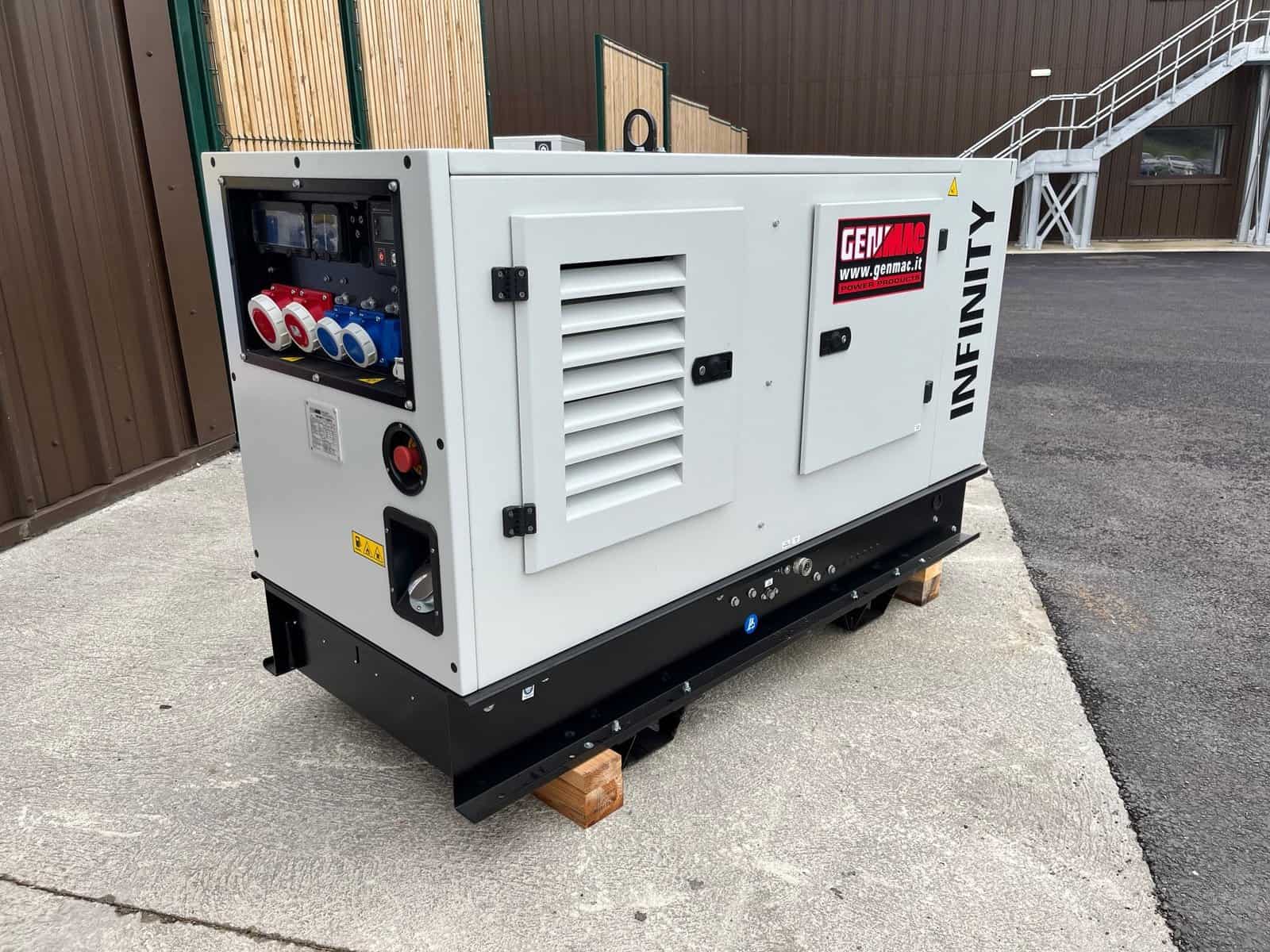
Continuous power generators are similar to prime generators but are built specifically for applications that require constant power at a fixed load over prolonged periods. These generators are ideal for operations with steady, unchanging power needs, such as base load power plants or remote installations.
How Continuous Power Generators Are Used
Continuous power generators are typically deployed in settings where the power demand remains stable and uninterrupted. They are built for non-stop operation, often serving as the primary power source in facilities without utility grid access, such as large industrial sites.
Key Characteristics of Continuous Generators
Bellwood Rewinds offers continuous power generators for clients with constant, high-demand power requirements. Our continuous generators are meticulously engineered to handle prolonged use, ensuring they meet the needs of heavy-duty industrial operations. By choosing Bellwood Rewinds, clients receive expert advice on selecting continuous power solutions that provide stability and reliability in critical applications.
Understanding the differences between standby, prime, and continuous power ratings is vital when choosing a generator. Each rating is specifically suited to particular applications and operational demands:
These differences ensure that each type of generator is optimised for its intended purpose. Selecting a generator with the correct rating guarantees efficiency, longevity, and optimal performance.
Choosing the correct generator rating involves evaluating several factors related to your operational requirements. Bellwood Rewinds can assist with this selection process, ensuring you receive a generator that meets your specific needs. Here are key considerations when selecting a generator rating:
Assess Power Needs
Identify whether your application requires a backup generator (standby), a primary generator with variable loads (prime), or a constant, uninterrupted power source (continuous). For example, a data centre may only need standby power for emergency situations, whereas a remote industrial site may rely on a prime or continuous power generator as its main source.
Evaluate Load Patterns
Understanding your load pattern is critical. If your operation has varying power demands, a prime power generator may be ideal. However, if your load remains constant, a continuous power generator could offer a more efficient solution. Bellwood Rewinds can help you assess these patterns and recommend the most suitable rating.
Consider Operational Hours
Estimate the number of hours the generator will operate annually. Standby generators are best for occasional use, while prime and continuous generators are suited for applications requiring more operational hours. By matching your generator rating with your expected operational time, you can optimise efficiency and prolong the lifespan of the equipment.
The generator industry adheres to international standards, including ISO 8528-1, which provides definitions and guidelines for generator ratings. These standards ensure consistency across manufacturers and give users a reliable benchmark when choosing equipment.
ISO 8528-1: Key Takeaways
By adhering to these guidelines, Bellwood Rewinds ensures our generators are compliant with industry standards, providing customers with dependable, safe, and high-performance equipment. Our commitment to quality means you can trust our products to perform as expected in real-world applications.
Understanding the nuances of generator ratings—standby, prime, and continuous—empowers you to select the right generator for your unique application. At Bellwood Rewinds, we specialise in guiding customers through this process, ensuring they invest in equipment that meets their operational requirements, minimises downtime, and offers the best cost efficiency.
Selecting a generator is a significant investment, and Bellwood Rewinds is here to help make that decision as informed and straightforward as possible. With our expertise and a wide range of generator options, we ensure our clients receive solutions tailored to their exact specifications, delivering the reliability and performance that industrial and commercial operations require.
Whether you need a standby generator for emergencies, a prime power unit for flexible operation, or a continuous power generator for steady, nonstop output, Bellwood Rewinds has the right solution for you. Contact us today to discuss your power needs, and let our team guide you to the best generator option for your business.stem.