



Generators are essential tools on construction sites, providing reliable power to keep operations running smoothly when mains electricity is unavailable or insufficient. Choosing the right generator for a construction site can make a significant difference in productivity, safety, and efficiency, ensuring that machinery, tools, and lighting systems function seamlessly. Construction sites often demand high power outputs and durable equipment that can withstand challenging conditions, so selecting the best generator requires careful consideration of the site’s specific needs, the types of equipment being used, and the power demands of the job. In this guide, we will explore what makes a generator suitable for construction sites, key factors to consider when selecting a generator, and the benefits of various types of generators.
Construction sites are dynamic environments where power is needed for a wide range of tasks, from operating heavy machinery and tools to providing site lighting and powering temporary offices. The power requirements can vary greatly depending on the size of the site, the type of work being carried out, and the equipment in use. For example, large construction projects such as building homes, offices, or roads often require high-powered generators capable of running multiple heavy-duty tools simultaneously, including jackhammers, cement mixers, and large saws. Smaller sites, such as home renovations or landscaping projects, may have lower power needs but still require a reliable source of electricity to keep operations on track. Understanding your power needs is the first step in selecting the right generator. To determine the appropriate generator size, it is important to calculate the total wattage of all the equipment and tools that will be used at the same time. This includes identifying the running wattage and the starting wattage of each piece of equipment, as some tools, particularly those with electric motors, require a higher initial surge of power to start up. By accurately assessing your power demands, you can ensure that your chosen generator will be capable of handling the load without overloading or interrupting work on site.
Generators for construction sites need to be robust, durable, and capable of delivering consistent power in demanding conditions. One of the most important features to look for in a construction site generator is its power output. Generators with power ratings ranging from 5,000 to 15,000 watts are typically suitable for most construction applications, providing enough power to run multiple tools and equipment simultaneously. High-powered generators ensure that essential machinery like compressors, drills, and welders can operate efficiently without power interruptions. Durability is another crucial factor when selecting a construction site generator. Construction sites are often exposed to harsh weather conditions, dust, and rough handling, so a generator with a sturdy frame, protective casing, and high-quality components is essential. Look for generators that are built to withstand the rigours of a construction environment, including reinforced frames, anti-vibration mounts, and heavy-duty wheels for easy mobility. Many construction generators are designed with protective features such as automatic shut-off mechanisms for low oil levels, which help prevent engine damage and prolong the lifespan of the equipment. Another important consideration is fuel efficiency and run time. Construction sites often operate for extended hours, and a generator with a long run time reduces the need for frequent refuelling, saving time and keeping productivity high. Diesel generators are particularly popular on construction sites due to their superior fuel efficiency, longer run times, and lower operating costs compared to petrol models. However, the choice of fuel should also take into account availability, cost, and environmental considerations.

Inverter generators are a type of generator that provides clean, stable power suitable for sensitive electronic equipment. On construction sites, inverter generators can be particularly useful for powering sensitive devices such as laptops, tablets, or precision tools that require a consistent and smooth power output. Unlike traditional generators, which can produce fluctuations in voltage, inverter generators use advanced technology to regulate the power output, making them ideal for running sensitive equipment safely without the risk of power surges. In addition to providing clean power, inverter generators are often quieter and more fuel-efficient than conventional models. This makes them well-suited for construction sites where noise levels need to be minimised, such as in residential areas or near occupied buildings. The lower noise output also helps create a more comfortable working environment for construction crews, reducing the overall noise pollution on site. While inverter generators are generally not as powerful as traditional diesel or petrol generators, they are an excellent supplementary power source for sites where sensitive electronics or lower-power tools need to be used. Their portability and ease of operation make them a valuable addition to any construction site, offering flexibility and reliable power for a range of applications.
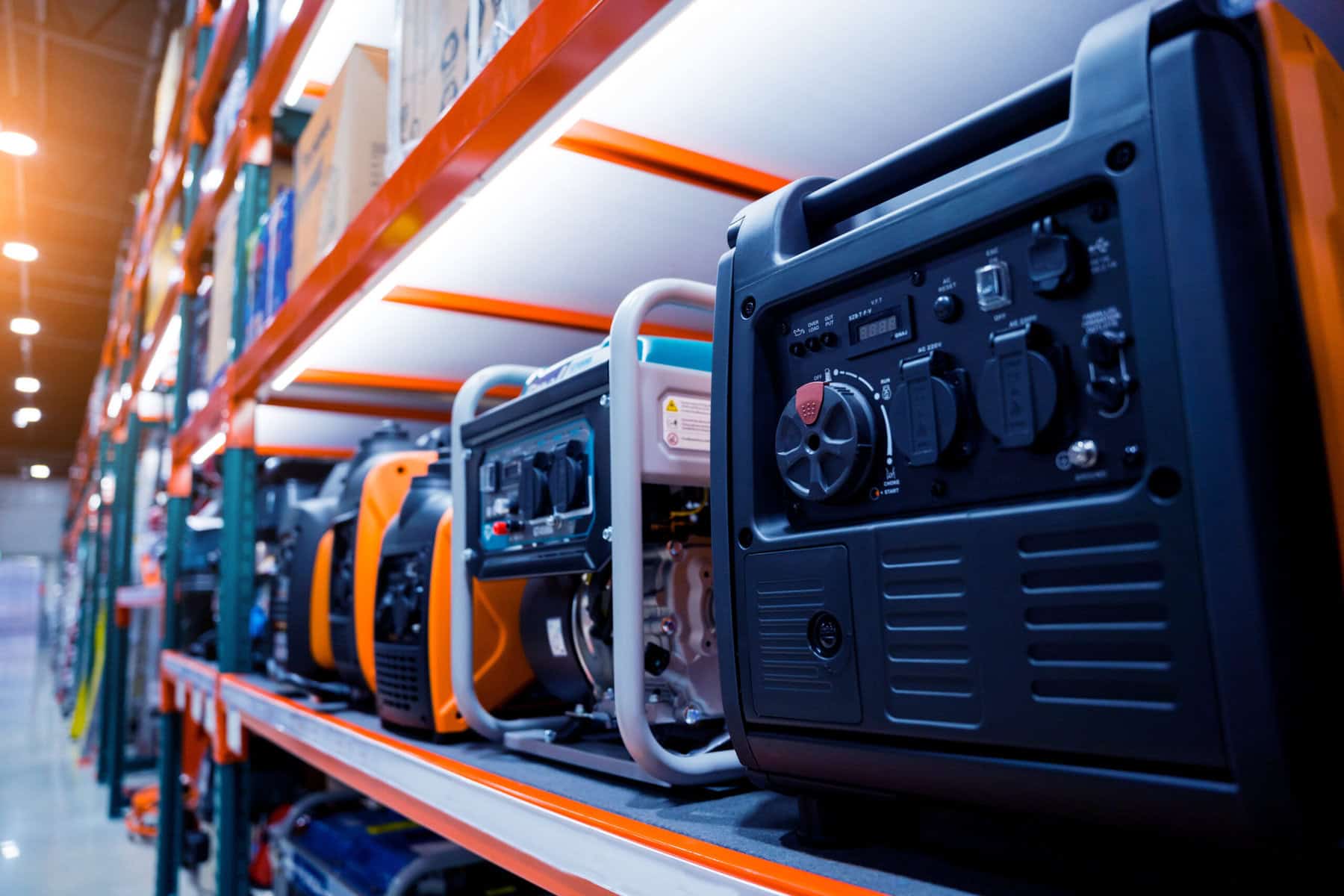
Portable generators play a crucial role on construction sites, providing the flexibility to move power sources to where they are needed most. Unlike stationary generators, portable models are designed to be easily transported, allowing workers to take power directly to the task at hand. This is particularly valuable on large sites where power needs may shift throughout the day, such as when moving from one section of the project to another or working in remote or hard-to-reach areas. The portability of these generators is enhanced by features such as heavy-duty wheels, handles, and rugged frames that are built to withstand the tough conditions often found on construction sites. Portable petrol generators can range in size and power output, from smaller models suitable for light-duty tasks to larger units capable of running multiple high-wattage tools. This versatility makes them an essential tool for construction workers, contractors, and tradespeople who need reliable, on-the-go power to keep the job moving forward. However, when selecting a portable generator for a construction site, it is important to consider factors such as fuel capacity, run time, and ease of maintenance. Generators with larger fuel tanks provide longer run times, reducing the need for frequent refuelling, which is particularly beneficial during long workdays. Maintenance features such as easy access to filters, oil changes, and straightforward operation controls help keep the generator running efficiently and minimise downtime.
Diesel generators are often the preferred choice for construction sites due to their durability, fuel efficiency, and ability to provide high power outputs for demanding tasks. Diesel engines are known for their longevity and ability to perform well under continuous load, making them ideal for heavy-duty applications commonly found on construction projects. From powering large machinery to running multiple power tools simultaneously, diesel generators deliver reliable and consistent power, ensuring that work can proceed without interruptions. One of the key advantages of diesel generators is their superior fuel efficiency compared to petrol models. Diesel engines consume less fuel per hour of operation, which translates into longer run times and reduced operational costs. This makes diesel generators a cost-effective option for construction sites, where generators often need to run for extended periods. Diesel fuel is also less flammable than petrol, adding an extra layer of safety when operating generators in hazardous environments. In addition to their fuel efficiency, diesel generators are built to withstand the challenges of a construction site. They feature robust designs, often including weather-resistant casings, reinforced frames, and heavy-duty components that are less prone to wear and tear. This durability makes diesel generators a dependable choice for contractors who need a reliable power source that can handle the demands of a busy construction site.

Safety is a critical concern when using generators on construction sites. Generators must be operated correctly to prevent accidents, protect workers, and ensure the safe delivery of power. One of the most important safety measures is ensuring proper ventilation. Generators produce carbon monoxide, an odourless and potentially deadly gas, so they should never be used indoors or in enclosed spaces without adequate ventilation. Always position generators in well-ventilated areas, away from workspaces, doors, and windows, to minimise the risk of carbon monoxide poisoning. It is also essential to regularly inspect generators for signs of wear, damage, or malfunction. Routine maintenance, including checking oil levels, replacing filters, and ensuring that the generator is clean and free of debris, will help maintain safe operation. Using generators on construction sites often means exposure to dust, dirt, and rough handling, so keeping up with regular maintenance schedules is crucial for ensuring longevity and performance. Generators should also be securely positioned on stable, level ground to prevent tipping or movement during operation. When connecting power tools or machinery, ensure that extension cords and cables are rated for the generator’s output and are free from damage. Avoid overloading the generator by carefully managing the power load and ensuring that the total wattage of connected devices does not exceed the generator’s capacity.
Selecting the best generator for a construction site involves evaluating the site’s specific power needs, the type of equipment being used, and the environmental conditions. For most construction projects, a high-powered diesel generator provides the best combination of durability, efficiency, and performance, making it an excellent choice for powering heavy machinery and multiple tools. However, for smaller sites or where noise and portability are key considerations, a petrol or inverter generator may be more suitable. When choosing a generator, consider factors such as fuel efficiency, run time, and the availability of service and maintenance support. Generators with long run times reduce the need for frequent refuelling, keeping work flowing smoothly and minimising downtime. Additionally, opting for a generator from a reputable brand with good after-sales support ensures that parts, servicing, and repairs are easily accessible. Noise levels are another important consideration, particularly when working in residential areas or near occupied buildings. Choosing a generator with noise reduction features or investing in an inverter model can help maintain a quieter work environment, which is often a requirement on modern construction sites. Ultimately, the best generator for your construction site will be one that meets the specific demands of your project, providing reliable, efficient, and safe power to keep operations running smoothly. At Bellwood Rewinds, we offer a wide selection of construction-grade generators, backed by expert advice to help you find the perfect power solution for your needs. With the right generator in place, you can ensure that your construction site remains productive, safe, and efficient, no matter the scale of the project. Contact us today. We also offer Hyundai generators.