



At Bellwood Rewinds, we speak to countless businesses, farms and site managers every year who want to know if buying a used generator really makes sense in the long run. One of the first questions they ask is whether used generators are actually cheap to run. It is a fair question and one that deserves an honest answer. In a world where fuel prices are unpredictable and every penny counts, nobody wants to save money upfront on a used generator only to be stung later with sky-high running costs. The truth is that the real cost of running a generator depends on more than just whether it is new or used. It is about the type of fuel, the engine’s efficiency, the condition it is in when you buy it and how well you look after it. When you get those things right, a good used generator can be one of the most cost-effective ways to secure reliable power.
Buying a generator is like buying a van or a tractor — the sticker price is only part of the story. You have to look at what it will cost you to keep it running. Fuel, servicing, parts and the time spent keeping it in good condition all add up. Many people assume that because a generator is used, it must be more expensive to run. In our experience at Bellwood Rewinds, that is not necessarily true. In fact, a well-maintained used generator from a reputable brand can be every bit as efficient as a new one — and sometimes more so if you know how to match it to your workload and site conditions.
We always remind customers that fuel is usually the biggest cost by far. It often dwarfs the initial purchase price over the life of the generator. That is why getting the right size, the right fuel type and the right maintenance plan can make or break your running costs.
One of the myths about used generators is that an older engine will always be less efficient than a new one. The reality is more nuanced. A diesel engine, for example, is designed to run for thousands of hours if serviced correctly. Many well-known brands like Perkins, Cummins and FG Wilson build engines that can handle years of use with only modest drops in fuel economy.
The key factor is how the generator was treated before it came to you. An engine that has had regular oil changes, proper servicing and sensible load management will often run just as efficiently as the day it left the factory. On the flip side, an engine that has been neglected, run on poor fuel or overloaded constantly will lose efficiency quickly.
That is why at Bellwood Rewinds, every used generator we sell is fully inspected and load tested. We check that the fuel system, injectors, filters and control systems are all working as they should. It is no good saving a few pounds upfront if your generator guzzles fuel and leaves you out of pocket in the long run.
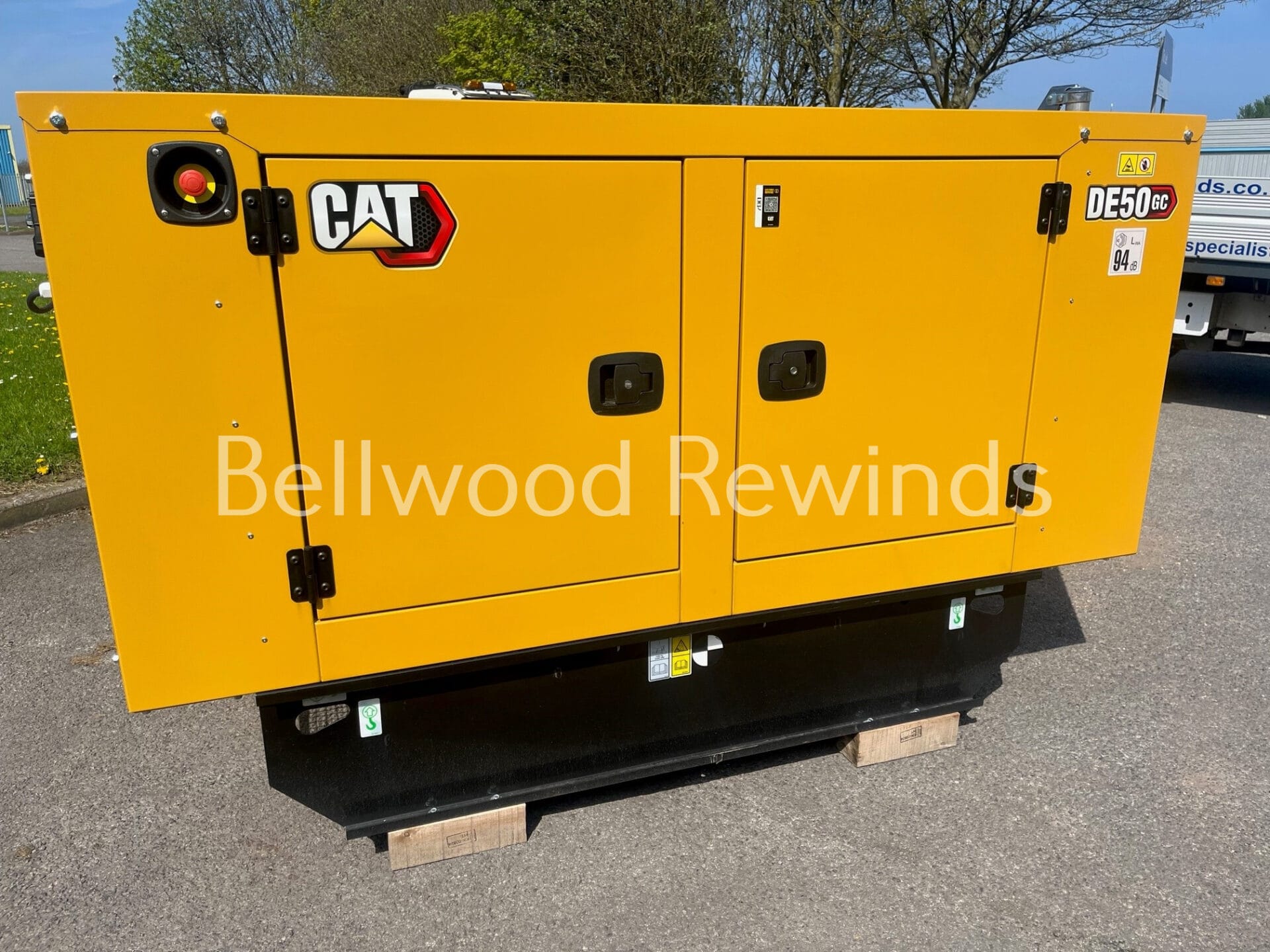
One of the biggest factors that affects how cheap any generator is to run — new or used — is whether it is correctly sized for the job. If you buy a generator that is far bigger than you need, you might think you are future-proofing your power needs. But in reality, you could be setting yourself up for higher fuel bills.
Diesel engines in particular run best when they are working at around seventy to eighty per cent of their rated capacity. Run them too light for long periods and you risk wet stacking — a build-up of unburnt fuel and soot in the exhaust system that reduces efficiency and increases servicing costs. Run them too hard at one hundred per cent all the time and you will wear the engine out faster and burn more fuel than necessary.
Buying a used generator that is well matched to your typical load means you get the best possible fuel economy. It is a simple point but one that can save you thousands over the years you own the machine.
In the UK, diesel generators remain the most common choice for businesses that need reliable backup or prime power. Diesel fuel is widely available, diesel engines are robust and they tend to deliver better fuel economy than petrol engines, especially under continuous load. This is true whether the unit is new or used.
A good used diesel generator, when properly serviced, will usually cost you less per hour to run than a similar petrol model because it burns less fuel to do the same work. The energy density of diesel means you get more power for every litre in the tank. For farms, construction sites and remote operations where you might be running a generator for days at a time, this can make a big difference.
That said, diesel does come with its own challenges. Fuel storage must be managed carefully to avoid contamination, and older engines may not meet the very latest emissions standards for some urban sites. But for many rural or industrial users, the trade-off still works in diesel’s favour.
Petrol generators are popular for smaller, portable jobs and occasional backup. They are usually lighter and cheaper to buy upfront than diesel sets. But in terms of running costs, petrol is rarely the cheapest option if you need to run your generator for long periods. Petrol engines typically consume more fuel per kilowatt-hour than a diesel engine doing the same job.
This means that while your used petrol generator might have cost you less to buy, you could end up paying more in fuel over time if you rely on it heavily. That is why petrol generators are best suited to light, short-term work — a few hours here and there on site or to keep the essentials running during a short power cut.
The upside is that petrol is easy to get hold of and does not need the same level of bulk storage infrastructure that diesel does. For occasional use, the running cost difference may be negligible, making a used petrol generator a perfectly sensible choice.


No matter how good your used generator is, neglect will quickly wipe out any savings you make on fuel efficiency. Oil changes, filter replacements, coolant checks and fuel system inspections all play a huge role in how cheap your generator is to run.
Dirty oil increases friction inside the engine, forcing it to work harder and burn more fuel. Blocked filters restrict airflow and fuel flow, upsetting the delicate balance of combustion and making the engine less efficient. At Bellwood Rewinds, we see time and time again that a simple servicing schedule can save our customers far more than it costs in callouts and parts.
Keeping fuel tanks clean is just as important, especially for diesel. In the UK’s damp climate, water ingress and diesel bug are genuine threats. Left unchecked, they clog injectors and filters, leading to poor combustion and wasted fuel. Regular fuel testing, polishing and tank cleaning are cost-effective ways to protect your generator’s performance.
Load testing is another thing that people overlook when calculating the real running cost of a generator. A used generator that has never been properly load tested might appear to run fine at idle, but the true test is whether it can deliver its rated output under real-world conditions.
By running a full load test, you verify that your generator is burning fuel efficiently and that all its systems are working properly. You also prevent carbon build-up and wet stacking, which are notorious fuel-wasters. We recommend regular load testing as part of any maintenance plan. It is simple insurance for better fuel economy and longer life.
Modern control panels and monitoring systems have done wonders for generator fuel efficiency. A well-equipped used generator with a good control system can monitor fuel use, detect problems early and adjust performance to match load changes. This means less wasted fuel during lighter demand and fewer nasty surprises when you get your fuel bills.
At Bellwood Rewinds, we often upgrade used sets with modern control panels where it makes sense to do so. It is a small investment that can pay for itself by giving you better oversight of how your generator is performing and where you might be wasting fuel.
Sometimes the biggest running cost of any generator is not fuel or oil, but the cost of downtime when it fails. If your business relies on a generator for backup, losing power because you cut corners on servicing can be far more expensive than the cost of keeping the unit healthy in the first place.
We have seen farms lose entire freezer loads of stock during a storm because an old generator, left ignored in the corner of a shed, failed to start. Construction sites have missed deadlines because welfare cabins went dark when the mains went down. These hidden costs add up quickly and make a small fuel saving irrelevant if you cannot rely on your generator when you need it.
This is why we always say that the cheapest generator to run is the one that performs when it counts. Buying used does not have to mean risking reliability — as long as you choose carefully and keep it maintained.
With fuel costs rising and sustainability targets getting tighter, many businesses are looking at alternatives like hybrid systems or biofuels. While these can deliver long-term savings and reduce emissions, they do come with more complexity.
A hybrid setup that pairs your used diesel generator with battery storage can dramatically cut fuel use, especially on sites with fluctuating loads. By letting the generator run only when needed to top up the batteries, you avoid the inefficiency of running an engine at low loads for hours.
Biofuels are another option but need to be used carefully. Not all older engines are compatible with higher biofuel blends. You must be certain that your used generator can handle it, or you risk clogging injectors or damaging seals. Done right, though, biofuels can be a practical way to make your generator cheaper to run and greener too.
When you put it all together, the answer to whether used generators are cheap to run comes down to making smart choices. The best used generator is the one that fits your needs, is sized correctly for your loads, has a proven track record, and comes from a reputable supplier who stands behind what they sell.
At Bellwood Rewinds, we are proud to supply only workshop-tested, load-verified used generators that are ready to work from day one. We believe in full transparency — hours run, service history, condition and everything you need to know to make an informed decision.
Because in the end, a used generator is not about taking a chance. It is about getting proven performance at a sensible price, backed by proper support. Keep it serviced, fuel it with care, test it under load and you will often find that your used generator is not just cheap to buy, but surprisingly cheap to run too.
Buying used is not about cutting corners. It is about recognising value where it matters. If you need reliable power and want to keep fuel costs under control, a good used generator can give you the best of both worlds — a lower upfront cost and manageable ongoing expenses.
Look after your generator and it will look after you. Whether you run a small petrol set for your workshop or a large diesel unit for prime power, the principles are the same. Right sizing, clean fuel, regular servicing and honest advice are what keep running costs down.
If you are thinking about investing in a used generator but want to understand what it will really cost to run, give us a call at Bellwood Rewinds. We will always give you a straight answer, share our years of experience and help you find the best solution for your site. That is what being in the power business is all about — keeping your lights on and your costs under control.