



Diesel generators are among the most widely used power generation systems in the world, trusted for their ability to provide reliable electricity in a wide range of environments. From remote industrial sites and backup systems in hospitals to agricultural operations and construction projects, diesel generators are relied upon for consistent, dependable performance. But while their reliability is well known, a common question remains—just how efficient are diesel generators? Efficiency in this context refers not only to how effectively they convert fuel into electricity but also to how they perform in terms of cost, emissions, and longevity. Understanding the true efficiency of diesel generators involves exploring the technical aspects of their operation, the factors that influence their performance, and the ways in which they compare to other forms of power generation.
Generator efficiency is a multifaceted concept. In the simplest terms, it refers to how well a generator converts fuel energy into electrical energy. This is usually expressed as a percentage, with modern diesel generators typically achieving thermal efficiencies between thirty and forty per cent. This means that thirty to forty per cent of the energy content of the diesel fuel is converted into usable electricity, with the remainder lost as heat and friction. However, efficiency in a real-world context goes beyond pure thermodynamics. It includes how consistently the generator performs under different loads, how much maintenance is required to sustain optimal performance, and how well it copes with environmental conditions. It also factors in the total cost of ownership over time, which includes fuel consumption, repair costs, and expected lifespan. Diesel generators have a reputation for being more fuel-efficient than their petrol counterparts, especially at larger scales or in long-running applications. They can also operate at lower revolutions per minute, which contributes to their fuel efficiency and overall durability. These characteristics make them a preferred choice in many sectors where long-term performance and cost control are essential.
Fuel efficiency is often the headline figure when discussing generator performance. Diesel fuel has a higher energy density than petrol, meaning it can deliver more energy per litre. This gives diesel generators a clear advantage when it comes to fuel consumption rates. On average, a diesel generator can run for longer on the same volume of fuel than a similarly sized petrol generator. In standby or emergency power systems, this efficiency translates into fewer refuelling requirements and lower running costs. For continuous or prime power applications, particularly in off-grid scenarios, the fuel economy of a diesel generator can make a significant difference to monthly operating expenses. Fuel efficiency also has logistical advantages. In remote areas where fuel delivery may be challenging or infrequent, the ability to run a generator for extended periods on less fuel is invaluable. This is especially relevant in industries such as mining, agriculture, and remote infrastructure development, where generators are often the primary source of power.
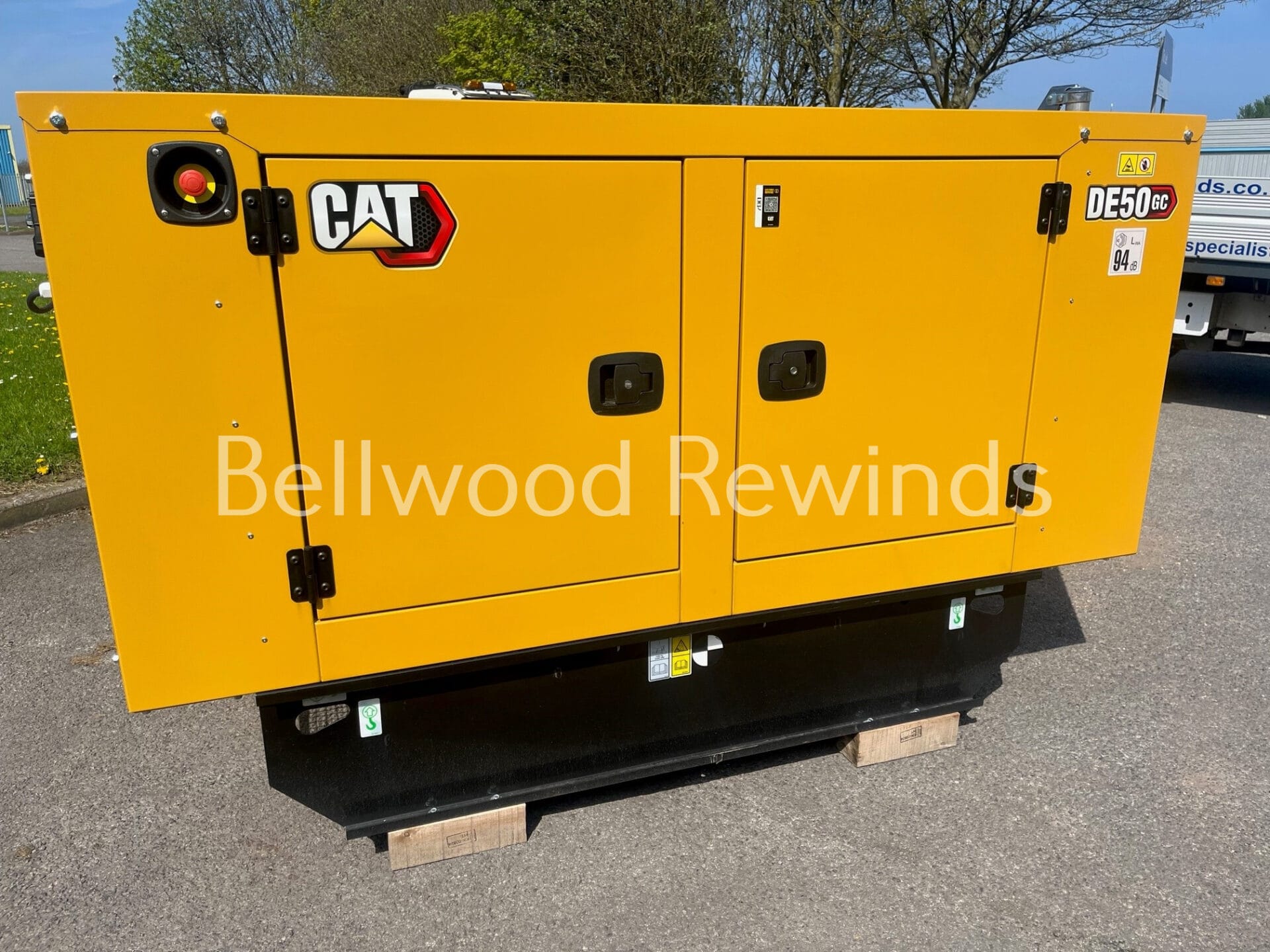
One of the challenges in assessing generator efficiency is how well the machine performs under partial load conditions. Generators are most efficient when operating at around seventy-five to eighty-five per cent of their rated capacity. At this level, fuel is burned most effectively, and energy conversion is optimised. When operating at lower loads, however, efficiency tends to drop, sometimes dramatically. Diesel generators are not always required to run at full capacity, particularly in backup applications where the load can vary widely. In these cases, the generator may be idling or running at a fraction of its full output, which leads to fuel being burned inefficiently. This not only increases fuel consumption per unit of electricity generated but also leads to potential engine issues such as carbon build-up and incomplete combustion. For this reason, load management is a key consideration when sizing and operating diesel generators. Oversizing a generator for its intended load can result in persistent inefficiencies, while properly matching the generator to its typical load profile can improve performance and prolong its lifespan. Some modern systems incorporate load banks or multiple generator setups to maintain efficiency across different load levels.
The long-term efficiency of a diesel generator is closely linked to how well it is maintained. Regular servicing, including oil changes, filter replacements, and inspection of key components, ensures that the generator continues to operate within its designed performance parameters. A well-maintained diesel generator can run for tens of thousands of hours over its lifetime, delivering consistent output and maintaining relatively high efficiency throughout. Failure to perform routine maintenance can result in reduced fuel efficiency, more frequent breakdowns, and even complete engine failure. Issues such as dirty fuel filters, worn injectors, and degraded oil can all contribute to reduced performance. In the worst cases, inefficiency can manifest as increased emissions, noise, and heat output—all indicators that the generator is not running as effectively as it should. Investing in a robust maintenance schedule is one of the most effective ways to preserve the efficiency of a diesel generator. For mission-critical applications, many operators use remote monitoring and automated diagnostics to catch small issues before they become major problems. Preventative maintenance is often more cost-effective than reactive repairs and helps ensure the generator operates efficiently over the long term.
In the modern energy landscape, efficiency is no longer just a matter of fuel consumption. Environmental performance is now a key factor in assessing the efficiency of any energy system. Diesel generators, by their nature, produce emissions including carbon dioxide, nitrogen oxides, and particulate matter. However, advancements in engine design and emission control technologies have made modern diesel generators significantly cleaner than earlier models. Compliance with environmental regulations such as Stage V in Europe or Tier 4 Final in the United States has led to the development of low-emission diesel generators equipped with diesel particulate filters, catalytic converters, and advanced fuel injection systems. These improvements reduce the environmental impact of diesel generators while maintaining high levels of performance and fuel economy. For applications where environmental performance is critical—such as in urban construction projects or public events—low-emission diesel generators offer a more sustainable solution. Although not entirely carbon neutral, they represent a practical balance between energy efficiency and environmental responsibility. Furthermore, the growing use of bio-diesel and synthetic diesel fuels offers opportunities to further reduce the carbon footprint of diesel-powered systems without compromising performance.


To fully appreciate the efficiency of diesel generators, it is helpful to compare them with other types of generators commonly used today. Petrol generators are often used in small-scale or short-term applications, but they generally have lower fuel efficiency and shorter lifespans than diesel models. They may also be less reliable under heavy load and tend to require more frequent maintenance. Gas-powered generators, including those fuelled by natural gas or LPG, are often more environmentally friendly and quieter to run than diesel alternatives. However, they can struggle to match the raw fuel efficiency and torque of diesel engines, particularly in high-demand settings. Gas generators are also more sensitive to temperature variations and may have longer start-up times, which can be a disadvantage in emergency backup scenarios. Hybrid generators, which combine diesel engines with battery storage or renewable energy sources, are increasingly popular in off-grid or temporary setups. These systems optimise fuel efficiency by running the diesel engine only when necessary and using stored energy during low-demand periods. While initial installation costs can be higher, hybrid setups offer a compelling solution where maximum efficiency is required.
Generator sizing is a critical factor that directly affects overall efficiency. A generator that is too small for its intended application will be forced to operate at or near maximum capacity, leading to excessive wear and reduced efficiency over time. Conversely, a generator that is too large will often run at low loads, which, as previously mentioned, is inefficient and can cause engine problems. The most efficient diesel generators are those that are correctly sized for their application, taking into account typical load requirements, peak demand periods, and expected usage patterns. Accurate sizing ensures that the generator operates within its optimal performance range more frequently, maximising fuel efficiency and extending service life. Modern generator suppliers often use load analysis tools and performance modelling software to assist customers in selecting the right generator size. These tools can simulate various operating scenarios and provide data on expected efficiency levels under different conditions. Getting the sizing right from the start is one of the most important steps in achieving long-term efficiency and cost savings.
Technological advancements have significantly improved the efficiency of diesel generators over the past two decades. Innovations in fuel injection systems, such as high-pressure common rail technology, allow for more precise fuel delivery and better combustion. Turbocharging has also improved power output while reducing fuel consumption in many generator models. Electronic control units now manage engine performance in real-time, adjusting parameters such as timing, fuel flow, and exhaust gas recirculation to optimise efficiency. In addition, modern generators often come equipped with digital displays and monitoring tools that allow operators to track fuel usage, load levels, and engine status with a high degree of accuracy. Remote monitoring systems can alert operators to potential issues, schedule maintenance, and even adjust operating parameters from a distance. This allows generators to be operated more efficiently and reduces the likelihood of performance degradation due to overlooked maintenance tasks. Over time, these technologies help maintain high efficiency levels and reduce the total cost of ownership.
In many cases, the decision to use a diesel generator comes down to economic efficiency. This includes not just fuel costs, but also capital expenditure, maintenance expenses, and the potential costs associated with downtime. Diesel generators typically offer a strong return on investment due to their long lifespan and relatively low operational costs when used appropriately. Used diesel generators offer additional economic advantages, especially for organisations with budget constraints or short-term power needs. When sourced from reputable suppliers and properly refurbished, used generators can provide reliable performance at a significantly reduced cost. This makes them a practical option for backup systems, temporary installations, or smaller-scale projects. The low cost of diesel fuel in certain regions, combined with the durability of diesel engines, makes these generators highly economical over time. When properly maintained and operated within their ideal load range, diesel generators can deliver thousands of hours of service with minimal disruption and excellent cost-efficiency.
The efficiency of diesel generators can vary significantly depending on how and where they are used. In a data centre, where power demand is stable and predictable, a diesel generator can be operated very efficiently as a standby system with strict maintenance protocols. In contrast, a generator used on a construction site may experience more erratic usage, varying loads, and exposure to harsh environmental conditions, all of which can affect efficiency. In agricultural settings, generators are often used to power irrigation systems, milking parlours, and refrigeration units. These systems may operate for extended periods during peak seasons and remain idle for the rest of the year. Proper storage, maintenance, and fuel management are essential in such applications to maintain efficiency and readiness. Event organisers and temporary infrastructure providers also rely on diesel generators to power lighting, sound equipment, and facilities. Here, the focus is often on balancing efficiency with portability, noise levels, and quick deployment. Selecting the right type of generator and ensuring proper setup are key to achieving optimal performance in these time-sensitive environments.
As environmental regulations tighten and demand for sustainable energy solutions grows, the pressure is on manufacturers to develop more efficient and cleaner diesel generators. The continued evolution of engine technology, combined with greater integration of hybrid systems and digital controls, suggests that diesel generators will remain a viable and efficient solution for many years to come. Alternative fuels such as hydro-treated vegetable oil (HVO) and other bio-diesel blends are already being used to reduce emissions and improve sustainability without sacrificing performance. These fuels are compatible with many existing diesel engines and offer a simple way to enhance environmental efficiency. Ongoing research into combustion optimisation, waste heat recovery, and emissions reduction will further improve the efficiency of diesel generators. As these innovations become mainstream, operators will be able to achieve even greater cost savings and environmental benefits while continuing to rely on the proven durability and power of diesel technology.