Without electricity, most businesses would come to a standstill.
With that said however, most people forget that power outages can occur at any time – electricity is taken for granted.
In the fast-paced world of business, where every second counts, the sudden loss of electricity can bring operations to a grinding halt. From small startups to multinational corporations, no business is immune to the effects of power outages. Yet, despite the prevalence of such disruptions, many organisations fail to adequately prepare for them.
Picture this scenario: It’s a busy afternoon at your office, with employees bustling around, computers humming, and meetings in full swing. Suddenly, without warning, the lights flicker and then go out completely. In an instant, the familiar hum of productivity is replaced by an eerie silence as the realisation sets in—your workplace is now without power.
For most businesses, the immediate response to a power outage is to minimise damage and mitigate risks. Turning off computers and appliances is the first line of defence against potential power surges that can occur when electricity is restored. However, simply shutting down equipment is not enough to address the broader implications of a power outage.
One of the critical challenges businesses face during power outages is communication. In an increasingly interconnected world, where customer expectations are higher than ever, maintaining transparent communication is paramount. Social media platforms, email alerts, and mobile notifications can be invaluable tools for keeping customers informed about service disruptions and expected resolution times.
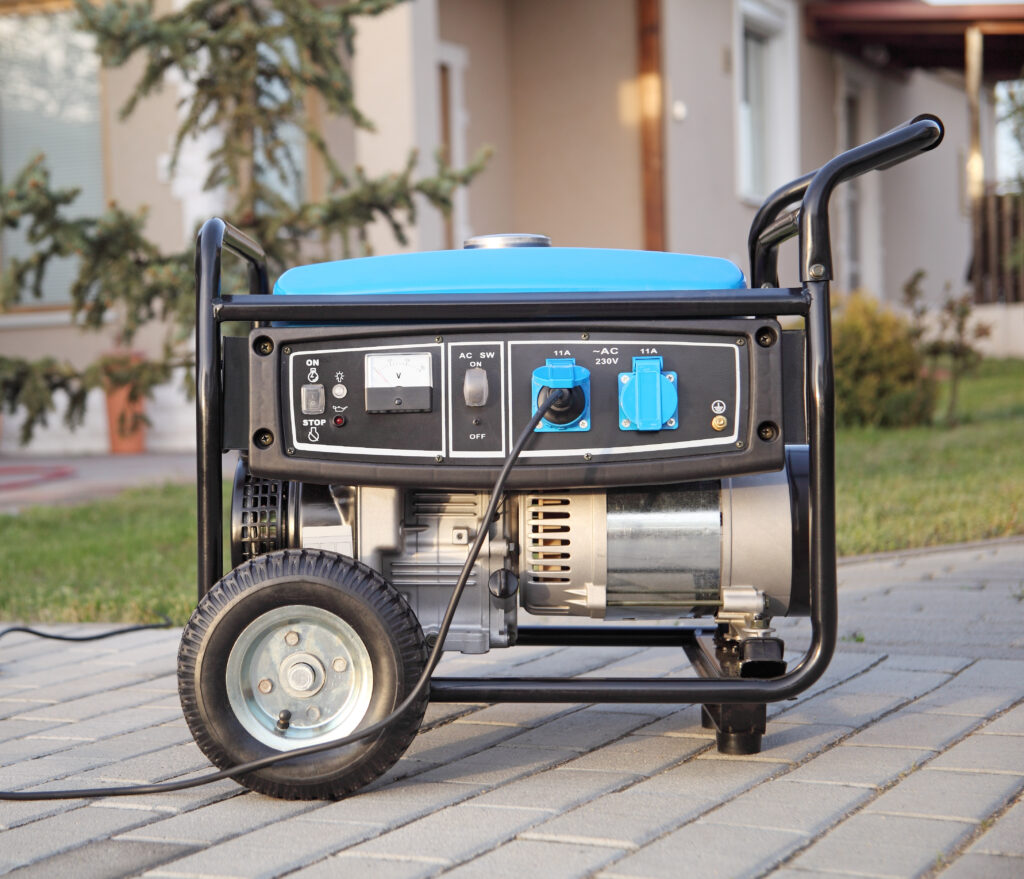
But what happens when the power outage extends beyond a few hours or even days? This is where having a backup plan becomes essential. Enter the diesel generator—a reliable and robust solution for ensuring uninterrupted power supply during emergencies. Unlike traditional petrol generators, which can be prone to fuel shortages and storage issues, diesel generators offer a more dependable and long-term solution.
The advantages of diesel generators extend far beyond their ability to provide backup power. They are designed to start automatically when the main power supply fails, minimising downtime and ensuring continuous operations. Moreover, diesel generators are known for their fuel efficiency, making them a cost-effective choice for businesses looking to maintain uninterrupted power supply without breaking the bank.
However, owning a diesel generator is just the first step. Regular maintenance and upkeep are essential to ensuring its reliability and performance when it matters most. This includes periodic inspections, fuel level checks, and servicing by qualified technicians. At Bellwood Rewinds, we understand the importance of proactive maintenance and offer comprehensive servicing packages to keep your generator in top condition.
But what about businesses that don’t have a backup generator? In such cases, the consequences of a power outage can be severe. From financial losses and missed deadlines to damage to reputation and customer dissatisfaction, the impacts can be far-reaching. That’s why investing in a backup power solution should be considered an essential component of any business continuity plan.
Below, we have made an effort to help you so that you know what to do in the unfortunate scenario that your power goes down… So, what should you do?When your power goes down, be sure to turn off all computers and appliances for when the power comes back on.