



Whether you use a generator for prime power on a remote site, as a vital backup for your business, or simply to keep your home running during unexpected power cuts, one question always comes up: how long can a generator run? It sounds like a simple thing to answer, but the truth is that there are many factors which affect how long any generator can safely operate. From fuel tank size and engine design to servicing and load conditions, every element plays a part. In the UK, where unpredictable weather, ageing grid infrastructure, and remote sites can make reliable power a real challenge, knowing the limits of your generator’s runtime is essential. This guide breaks down what affects your generator’s running hours, what you need to think about to run it safely for longer, and when it’s worth upgrading to something better suited to extended use.
It’s tempting to look for a straightforward figure when asking how long a generator can run. Many people expect their generator manual or spec sheet to give them an exact answer, but the reality is more nuanced. Different generators are built for different purposes. A Stephill generator, for instance, is a popular choice on UK building sites because it’s robust, easy to transport, and delivers steady power for tools, lighting and welfare cabins. But a Stephill generator designed for site use might be engineered to run for a full shift or a day at a time rather than non-stop for a week.
Understanding what your generator was designed to do is the first step in answering how long it can run. A portable petrol generator might be perfect for short bursts — a few hours to power tools or keep your freezer going during a storm. Meanwhile, a larger diesel unit with a big fuel tank and an efficient engine can run for many hours at a time, and with proper planning and safe refuelling, some prime power units can operate continuously for days or even weeks with scheduled stops for maintenance.
What sets a good generator apart is smart, practical design. The Stephill generator range, for example, is known for easy access points, robust engines, and decent fuel economy, all of which make it more practical to run for longer stints on site. But even the best design can’t overcome the basics: fuel, oil, maintenance and the demands you place on your generator all matter when you’re working out realistic runtimes.
One of the biggest factors that determines how long your generator will run is the size of its fuel tank and how efficiently it burns fuel. Smaller portable generators tend to have modest tank sizes, often giving you a few hours of operation at half load. These are ideal for short-term tasks or emergency use but will need refuelling if you plan to run them for extended periods. In contrast, larger diesel generators often come with integrated base fuel tanks designed to give you eight to twelve hours of runtime as standard, with some capable of longer stints if run at partial load.
But fuel tank capacity is only half the story. Fuel efficiency matters too. A modern diesel engine, when properly serviced and run at its optimum load, can deliver significantly longer runtimes compared to an older or poorly maintained unit. In the UK, where diesel costs have remained high, fuel economy is not just about runtime — it’s about cost-effectiveness as well. Investing in a well-designed generator with a proven reputation for fuel efficiency can save you thousands in operating costs over its lifespan. This is where regular servicing, good quality fuel, and sensible load management all come into play.
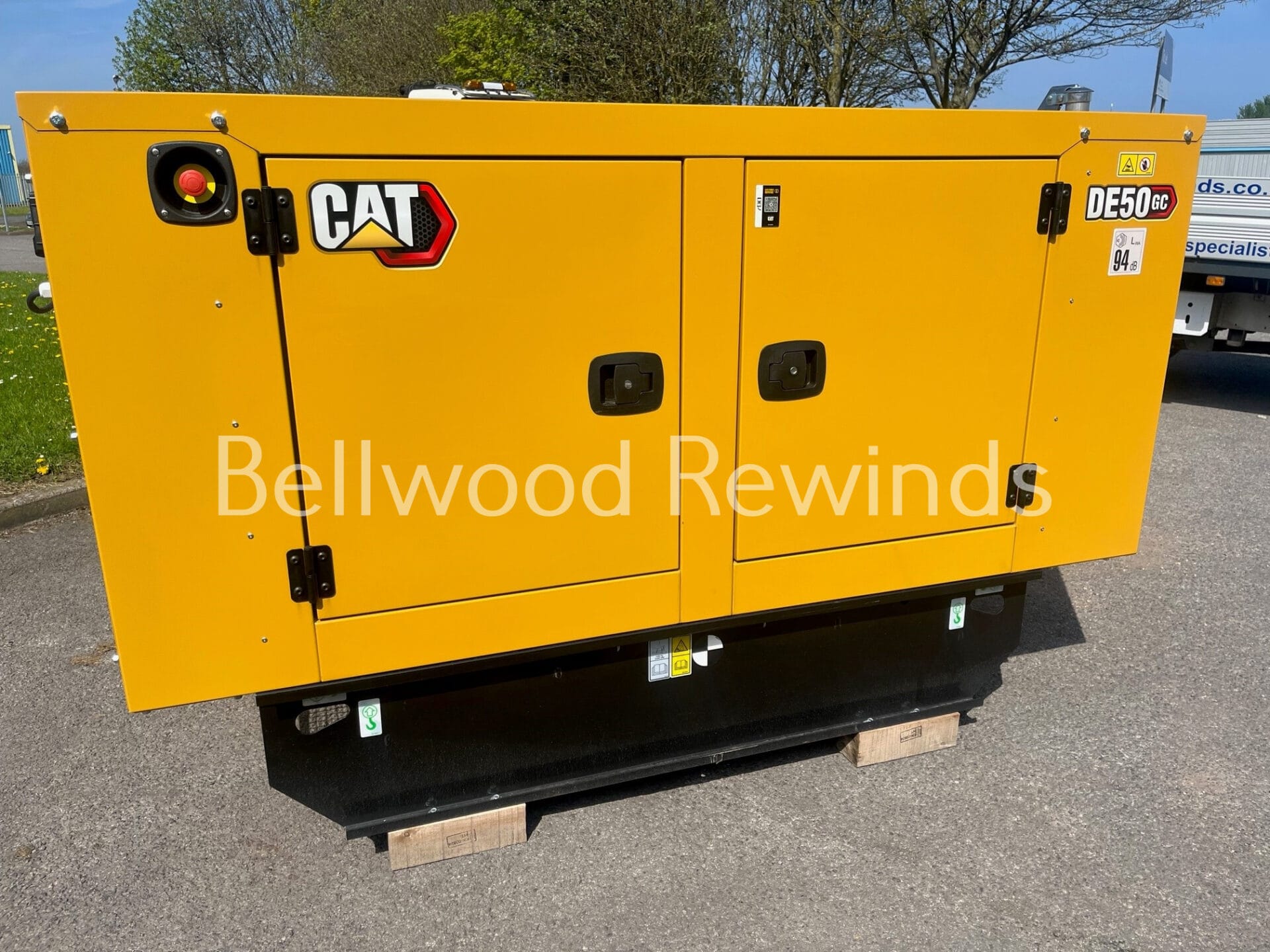
It’s easy to forget that how much you draw from your generator dramatically affects how long it will keep running. A generator under constant heavy load will burn through its fuel faster than one running at fifty or seventy percent of its rated capacity. Running too close to full load for prolonged periods also puts extra strain on engine components, increasing wear and tear and shortening maintenance intervals.
On the flip side, running a generator at too low a load for long stretches isn’t ideal either. Diesel engines especially can suffer from a problem called wet stacking, where unburnt fuel and soot accumulate in the exhaust system because the engine never reaches its optimum operating temperature. Over time, this build-up can reduce efficiency and lead to more costly servicing.
The goal is to run your generator at its sweet spot, which for many diesel units is somewhere around seventy to eighty percent of rated capacity. This keeps the engine at a healthy temperature, ensures complete combustion, and optimises fuel use. This is why getting your sizing right from the start is so important. A generator that’s too big for the job will cost more to run and maintain, while one that’s too small will struggle under constant high loads.
Another factor that affects how long your generator can run is whether it’s designed for prime power or standby use. Prime power generators are built to run for extended periods as the main source of electricity. You’ll often find these on remote sites, agricultural installations, or industrial facilities that don’t have access to reliable grid power. These units are designed to be fuel-efficient, robust, and easy to service because they’re expected to run for long stretches, sometimes twenty-four hours a day with scheduled shutdowns for maintenance.
Standby generators, by contrast, are designed to kick in automatically during a mains failure and then shut down when grid power is restored. They’re not intended to run for days on end and will wear out faster if used this way without proper load management. This doesn’t mean a standby unit can’t run for extended periods in an emergency — but you should always understand that the generator’s design will affect its safe running time.
This is why regular servicing and testing are so important for standby sets in the UK. With increasingly unpredictable weather and grid problems, your standby generator might end up running longer than you expect. Knowing your system’s limits and planning accordingly can help avoid unpleasant surprises when you need power the most.
No matter how good your generator is, servicing plays a huge role in how long you can safely run it. Oil changes, filter replacements, and regular checks on fuel and cooling systems all contribute to runtime reliability. If your oil is old or low, your engine will overheat or suffer excessive wear, cutting your safe running hours short.
It’s wise to follow the manufacturer’s recommended maintenance intervals but also to pay attention to how hard your generator is working. For example, a generator that’s used for prime power at high load might need more frequent servicing than one that runs on standby for a few hours a month. Some modern generators include digital monitoring that keeps track of running hours and reminds you when it’s time for maintenance.
Here in the UK, where we see long periods of damp and cold, another important factor is moisture management. Condensation can build up inside fuel tanks and electrical enclosures, which is why regular checks and a routine test run help keep everything in good shape.
One question that crops up regularly is whether it’s safe to run a generator twenty-four hours a day, seven days a week. The short answer is yes — but only if it’s designed for it, and you do it sensibly. A well-maintained prime power generator with a large enough fuel supply and regular oil changes can run continuously for days or weeks at a time. In practice, though, it’s rare to run non-stop without scheduling periodic shutdowns to check oil levels, drain condensation, inspect filters, and catch any developing problems.
It’s important to remember that continuous running doesn’t mean neglecting the basics. Having spare filters, oil, and fuel on hand means you can keep your generator going safely without risking an unexpected failure. Many UK businesses that rely on prime power units will plan for these shutdowns as part of their daily or weekly operations.


Another practical issue when considering how long a generator can run is fuel storage and safe refuelling. Running out of fuel during operation can introduce air into the fuel system, making restarting difficult and potentially causing damage. For long continuous use, you’ll need to plan your fuel supply carefully. This is why many larger generators are paired with external bunded fuel tanks that provide enough capacity for days of runtime.
Refuelling must always be done safely, following UK safety standards to prevent spills, contamination, and fire hazards. If you’re running a generator non-stop on a remote site, it’s worth setting up a routine for safe refuelling that ensures the generator never runs dry.
An often-overlooked strategy for extending runtime is smart load management. By staggering when equipment draws power from your generator, you can reduce peak demand and keep your engine operating in its most efficient range. For example, on a construction site, you might plan for heavy equipment to run during the day while keeping lighter loads for overnight.
Load management doesn’t just stretch fuel further; it also reduces wear on the generator’s engine and alternator. In the UK, where many sites work around strict noise or emissions rules, this careful balancing can help you run your generator for longer without breaking local regulations.
Sometimes the honest answer to the question “how long can my generator run?” is that it’s time to upgrade to something better suited to the job. If you find yourself topping up fuel constantly, running at full load all the time, or spending a fortune on servicing because your unit is working harder than it should, a larger or more efficient generator could save you money in the long run.
Modern generators are designed with improved fuel economy, better emissions performance, and smart monitoring features that make long-term operation easier. For many UK businesses, moving from an older standby unit to a new prime power system is an investment that quickly pays for itself in saved fuel and reduced downtime.
In the end, there’s no single answer to how long a generator can run — but there is a clear rule: the better you care for it, the longer and more safely it will run. A well-maintained generator that’s properly sized for its load, fuelled with good quality fuel, and serviced on schedule can run far longer than one that’s left to sit idle until it’s urgently needed.
Whether you’re using a robust Stephill generator for daily site work or relying on a large diesel unit to keep your business running during storms and blackouts, planning your fuel storage, load demands, and servicing routine will help you get the best performance and the longest runtime possible.
In the UK’s unpredictable climate, a generator is more than just a machine. It’s your assurance that when the lights go out, you’re not left in the dark. Treat it well, know its limits, and you’ll get power you can depend on — no matter how long you need it. Contact the team of experts at Bellwood Rewinds for more information.