



Hiring a generator can be a critical decision, whether you’re planning a large outdoor event, preparing for a temporary power outage, or supporting a construction site. With a plethora of options available, it can be overwhelming to make the right choice. This guide aims to provide a comprehensive overview of the key factors to consider when hiring a generator, helping you make an informed decision that meets your specific needs.
The first and foremost consideration when hiring a generator is understanding your power requirements. Different applications will demand varying amounts of power. For instance, a small outdoor event will require a significantly smaller generator compared to a large-scale construction project. To determine your power needs, list all the equipment and devices you plan to power simultaneously and calculate their total wattage. This will help you choose a generator with the appropriate power output, ensuring uninterrupted operation without overloading the generator.
Generators come in various types, each designed for specific uses. Understanding the differences can help you select the right one for your needs.

The type of fuel a generator uses is another crucial consideration. The three main types are petrol, diesel, and propane.
Choosing the right size and capacity for your generator is essential to ensure it meets your power needs without wasting resources. Generators are rated by their maximum and continuous power output, measured in watts or kilowatts. When selecting a generator, consider both the starting (surge) wattage and the running wattage of the equipment you plan to power. Starting wattage is the initial burst of power needed to start a device, while running wattage is the continuous power required to keep it running. It’s advisable to choose a generator with a capacity slightly higher than your calculated power needs to account for any unexpected power surges and to ensure efficient operation without overloading the generator.
Runtime and fuel efficiency are important factors to consider, especially if you need the generator to run for extended periods. The runtime of a generator is typically measured at 50% load, indicating how long it can operate on a full tank of fuel at half its maximum capacity.
Fuel efficiency varies among generators, with diesel generators generally being more fuel-efficient than petrol or propane generators. When comparing generators, consider the fuel consumption rate and the size of the fuel tank to estimate how often you will need to refuel and the overall operating cost.


Noise levels can be a significant concern, particularly if you are using the generator in a residential area, at an event, or near sensitive environments. Noise levels are measured in decibels (dB), with lower numbers indicating quieter operation. Inverter generators are typically the quietest, making them suitable for applications where noise reduction is important. Check the manufacturer’s specifications for the noise level of the generator at various loads. Some generators come with noise-reducing features such as soundproof enclosures or mufflers to minimise the impact on the surrounding environment.
Depending on your application, portability and ease of use may be critical factors. Portable generators are designed for mobility, often featuring wheels and handles for easy transport. Consider the weight and size of the generator, as well as any additional features that make it easier to move and operate. For stationary applications, ease of use can include features such as automatic start, remote monitoring, and straightforward control panels. These features can enhance convenience and ensure reliable operation with minimal effort.
Regular maintenance is essential to ensure the longevity and reliable performance of your generator. When hiring a generator, consider the maintenance requirements and the availability of support services. Some generator hire companies offer maintenance packages or on-site support to handle any issues that may arise during the rental period. Check if the hire company provides comprehensive user manuals, training, or demonstrations to help you operate the generator correctly. Access to technical support and spare parts is also important to address any potential problems quickly.
Safety should always be a top priority when hiring a generator. Modern generators come equipped with various safety features to protect both the equipment and the users. Look for features such as:
Automatic Shutdown: This feature turns off the generator if it detects low oil levels, overheating, or other critical issues, preventing damage and accidents.
Circuit Breakers: Circuit breakers protect the generator and connected devices from electrical overloads and short circuits.
Ground Fault Circuit Interrupter (GFCI): GFCI outlets provide additional protection against electrical shocks and are especially important for outdoor use or in damp conditions.
Ensure that the generator you hire complies with relevant safety standards and regulations to minimise risks and ensure safe operation.
Rental costs and terms are important factors to consider when hiring a generator. Costs can vary widely based on the type, size, and duration of the rental. Obtain detailed quotes from multiple hire companies to compare prices and services. Consider the rental terms, including the duration, delivery and collection fees, and any additional charges for fuel, maintenance, or support services. Some companies offer flexible rental terms, allowing you to extend or shorten the rental period as needed. Clarify any terms and conditions before finalising the rental agreement to avoid unexpected costs.
The environmental impact of your generator hire is another important consideration. Diesel and petrol generators emit pollutants, including carbon dioxide (CO2), nitrogen oxides (NOx), and particulate matter, which can contribute to air pollution and climate change. If reducing your environmental footprint is a priority, consider hiring a generator that runs on cleaner fuels such as propane or natural gas. Additionally, some hire companies offer eco-friendly generators with advanced emissions control technologies to minimise environmental impact.

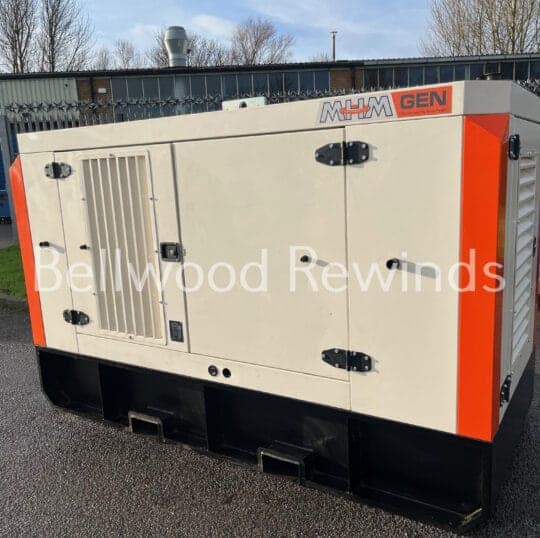
The reputation of the generator hire company can provide valuable insights into the quality of their equipment and services. Research online reviews, testimonials, and ratings to gauge customer satisfaction and reliability. Look for companies with a proven track record of delivering high-quality generators and excellent customer service. Ask for recommendations from friends, family, or colleagues who have previously hired generators. Personal experiences can provide trustworthy insights and help you make a more informed decision.
Hiring a generator involves several important considerations, from understanding your power requirements to evaluating the type of generator, fuel type, size, runtime, noise levels, portability, maintenance, safety features, rental costs, and environmental impact. By carefully assessing these factors and choosing a reputable hire company, you can ensure a reliable and efficient power solution tailored to your specific needs. Whether you’re planning an event, managing a construction site, or preparing for an emergency, the right generator can provide the power you need to keep things running smoothly. Take the time to research and compare options, and don’t hesitate to seek professional advice from the experienced team at Bellwood Rewinds to make the best choice for your situation. Contact us today.