



Power outages can have a more detrimental effect on your business than you may think, especially when it comes to losing money.
Research has shown that 59% of Fortune 500 companies experience over 1.5 hours of downtime a week, meaning £30.4m being lost each year.
With an increase in power cuts over the past couple of years, it’s never been more important to make sure you’re prepared.
Having a standby generator on site will not just protect your business against contingencies, if the power does go out it will automatically start running and prevent downtime.
However, should you have a generator in place and there’s an outage in the area, there are ways you could lose revenue…
Communications systems will be down
Without electricity, your colleagues won’t be able to use their phones, should they have access to a landline, this means that not only will they not be able to make internal phone calls, but they’ll also not be able to receive calls from customers of clients.
Should your customers have the option to place an order over the phone, should they try to call when your power is out, this will also mean you lose revenue.
You may also lose any new or potential customers who may try to call your office during downtime, they may decide to then place an order with one of your competitors.
As well as not being able to use your phones, your staff will also be unable to access their emails, again, missing important contact with customers and potentially losing out on business.

Internal systems won’t work
Regardless of the sector, you work in, most businesses rely on their internal systems to help operations run smoothly. If your colleagues can’t turn on their computers, then how can they process orders, manage stock levels or monitor any existing activity.
Being forced to close completely during a power cut can happen, if you can’t access your operational systems, your team may need to spend longer working on a backlog of work once the full electricity is restored.
This will cause a number of delays and mean once the power is back, you’ll spend a significant amount of time ‘catching up’ and not working as efficiently as you usually would.
Employees can’t carry out their job
Without power, your staff are unable to work, you may think that there’s always something to do, which is true, but how can this be undertook without access to sales, ops and admin software, or phone lines or emails. Once tasks to undertake have ran out, they can be complete on paper, they may end up sat around waiting for the power to come on.
If you’re unable to get electricity up and running at your premises, you’ll also be paying staff who can’t work. Some power cuts only last an hour or so, but you don’t want to risk paying wages for a workforce who have been out of action for a week.
Operations will halt
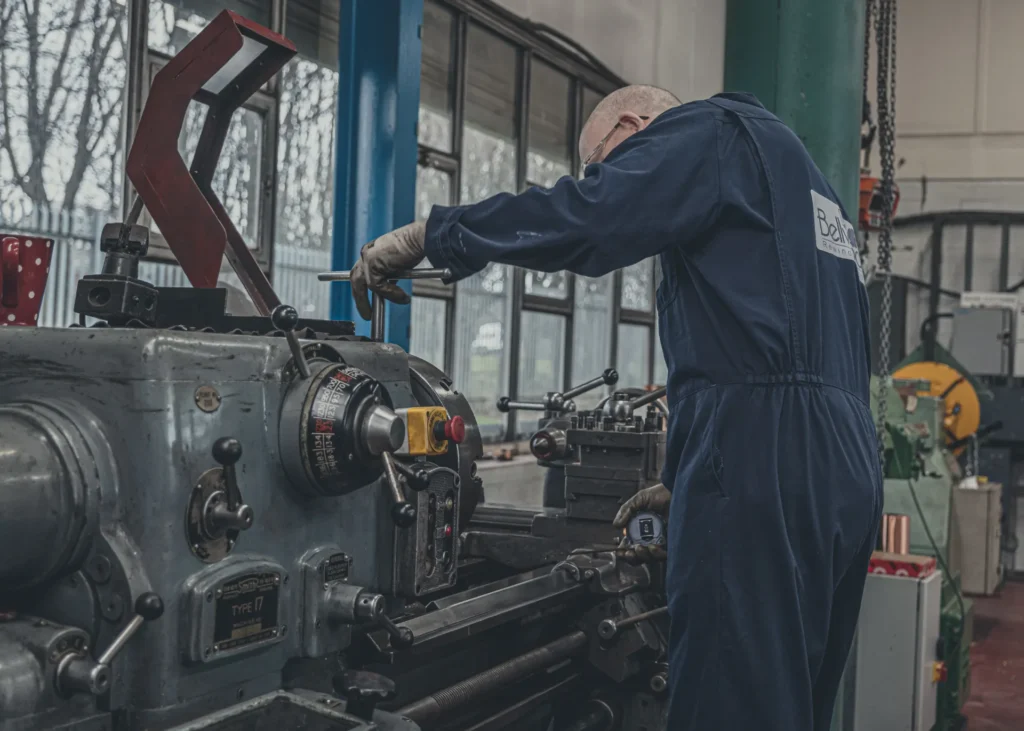
If you’re a manufacturer and you lose mains power, if you don’t have a generator on standby, you won’t be able to continue making your products. Without electricity, all equipment will stop working and this can be very costly. If you don’t continue to manufacture your items, you may be forced to turn down orders, or have a hard time catching up on the missed orders during the power outage.
If you cant meet demand, then this can have a significant impact on your relationship with both new and existing customers, if your best customers comes to your with a large order, you don’t want the risk of a power cut to prevent you from manufacturing their order.
Prevent losing money during a power outage
Power cuts are caused by factors out of our control meaning its likely that this may happen to you. There are steps that can be taken to safeguard your business, such as having a generator on site, this can make all the difference.
Should your local electricity operator send out an alert of maintenance or outages in the area, hiring a generator to protect your business can be beneficial.
Having a generator on long term hire, or buying one permanently could be an advantage, especially if you run a business like a factory, data centre or a call centre.
If you do have a generator on site long term, keep it in mind that you need to keep it running efficiently so it should be regularly serviced including load tests and maintenance.
Is your business prepared for an outage?
Experiencing a power outage can be more than just an inconvenience; it can lead to significant disruptions and losses for businesses. From halting customer service operations to grinding production lines to a standstill, the impacts of a power cut can be far-reaching and costly. Not only does it disrupt day-to-day operations, but it can also tarnish your brand reputation and eat into your profits.
In today’s fast-paced business environment, where customer expectations are high and competition is fierce, downtime due to power outages is simply not acceptable. Customers expect seamless service and timely responses, and any interruption in operations can lead to dissatisfaction and even loss of loyalty. Similarly, delays in production can result in missed deadlines, canceled orders, and lost revenue opportunities.
Beyond immediate financial losses, the reputational damage caused by frequent power outages can be long-lasting and difficult to repair. Customers may perceive your business as unreliable and unprepared, leading them to seek out more dependable alternatives. This erosion of trust can have ripple effects, affecting customer retention rates and hindering future growth prospects.
Recognising these risks, proactive measures to safeguard your business and premises against power outages are essential. Investing in reliable backup power solutions, such as generators or uninterruptible power supply (UPS) systems, can provide peace of mind and ensure business continuity during emergencies. These systems kick in seamlessly during power cuts, allowing operations to continue uninterrupted and minimising disruptions to customer service and production processes.
Moreover, having a comprehensive contingency plan in place, which outlines procedures for handling power outages and mitigating their impacts, is crucial. This includes identifying critical systems and processes, establishing communication protocols, and training staff on emergency procedures. By being prepared and proactive, businesses can minimise downtime, protect their brand reputation, and safeguard their bottom line in the face of unforeseen power disruptions.
In conclusion, while power outages are inevitable, the way businesses respond to them can make all the difference. By taking proactive steps to safeguard against disruptions and mitigate their impacts, businesses can demonstrate resilience, maintain customer trust, and ensure long-term success even in the face of adversity.